
A heat haze shimmered across the reserve. It wasn’t hot, as clouds concealed the June sun, but it was stuffy – the kind of oppressive heat that seemed to subdue most of the wildlife. While the barely rippling waters of the loch and the shaded paths were quiet – apart from the constant rasping calls of the black-headed gulls on their distant nesting rafts – there was plenty of activity on the scrapes.
The RSPB’s Lochwinnoch Nature Reserve is made up of open water, marshes, and woodland. From the channel hide overlooking the scrapes, you get the perfect view of the spring dramas unfolding in this wetland landscape. It’s called a hide, though it’s more like photographing from behind a tall fence panel with openings to watch through. It’s spacious enough to move around behind, unlike a traditional seated hide, making it easier to follow the action.
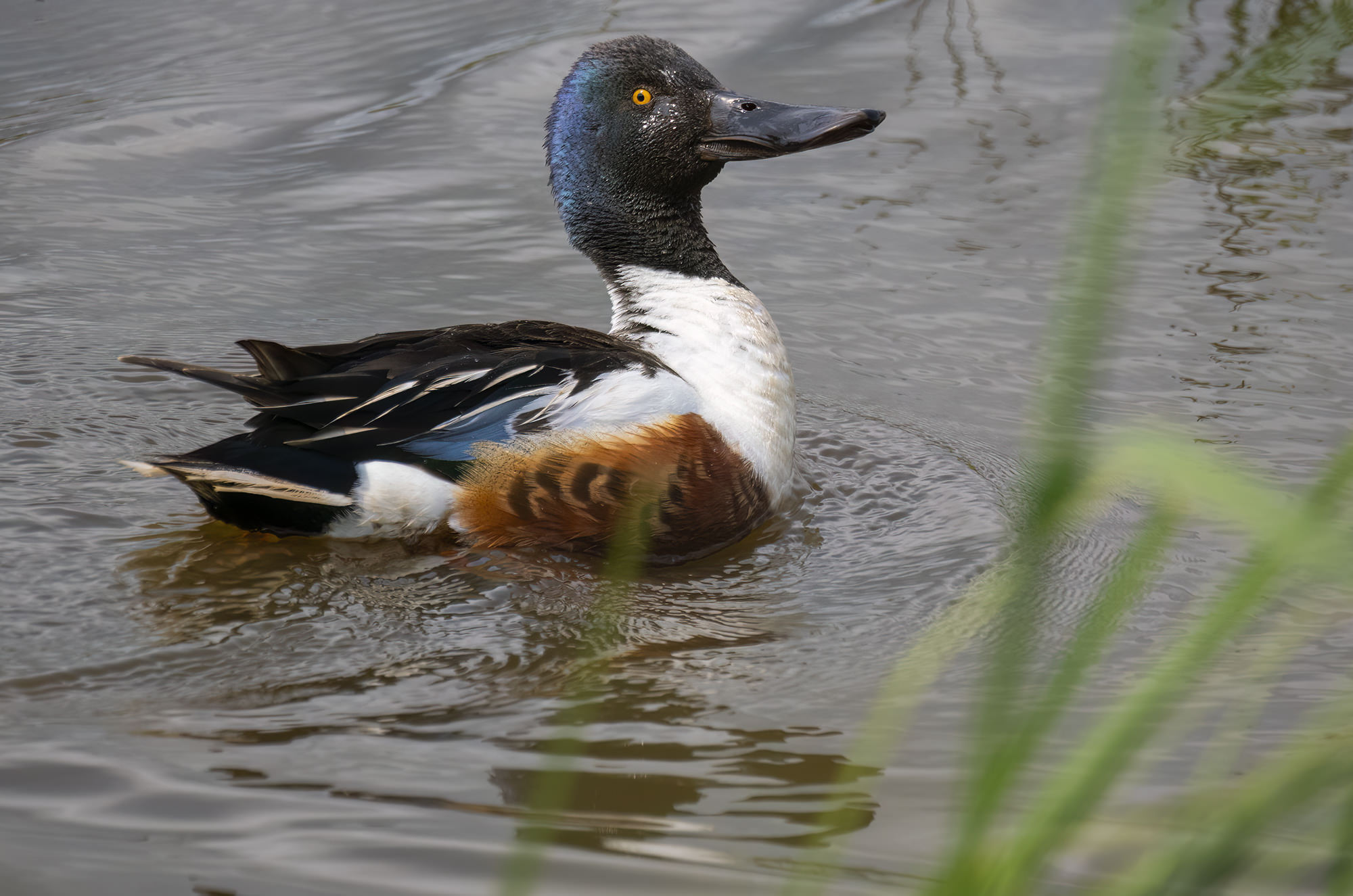
And there was plenty of action when we visited at the beginning of June. I was hoping to see wader chicks, but the first close-up opportunity came from a drake shoveler duck. He patrolled the channel in an agitated way while his mate paddled sedately nearby.
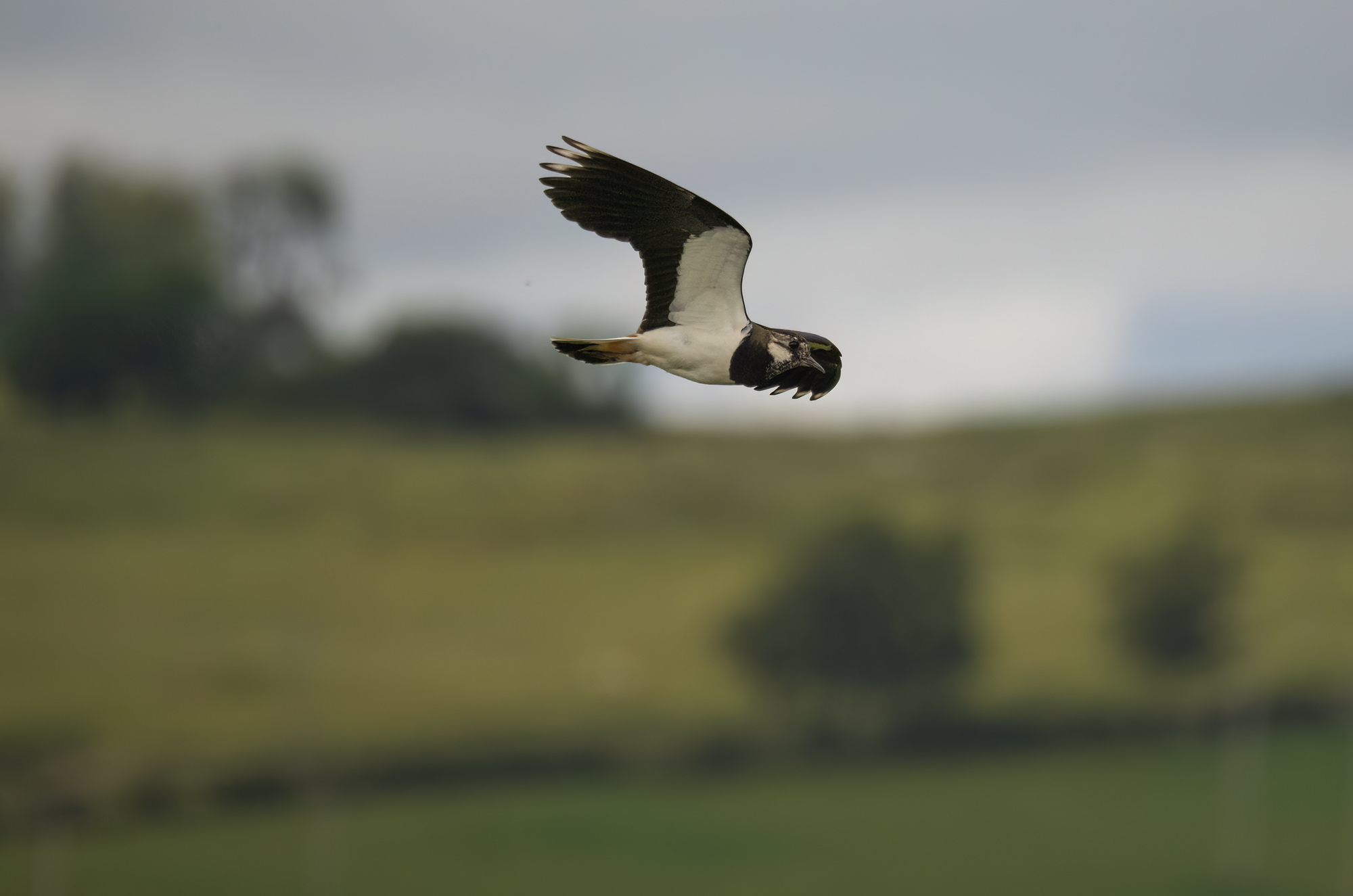
Agitation summed up a lot of the activity on the scrapes. The lapwings regularly took to the air in protest at, well, pretty much everyone else in their vicinity. They seemed particularly frustrated by the carrion crows disappearing into the wetland vegetation, and launched frequent aerial assaults on their corvid antagonists.
The crows weren’t the only ones causing a commotion. Two families of Canada geese marched through the marshes with their goslings, forcing all nearby birds out of their way – including the frustrated shovelers – as they ploughed along their chosen route. A couple watching from the hide alongside us explained that the geese had a habit of trampling straight through wader nests, so it was easy to understand the apprehension from the other birds when they arrived on the scrape.
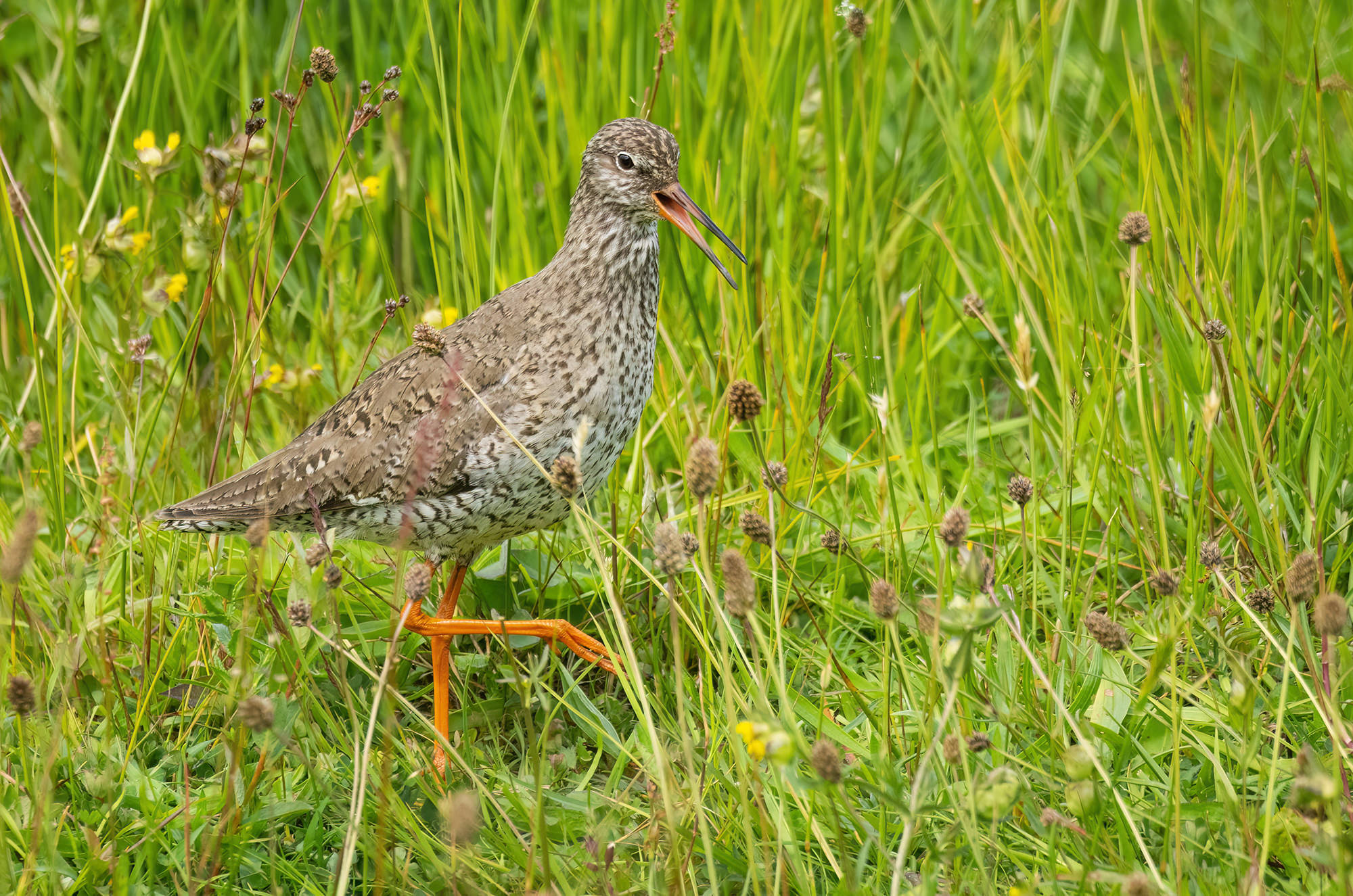
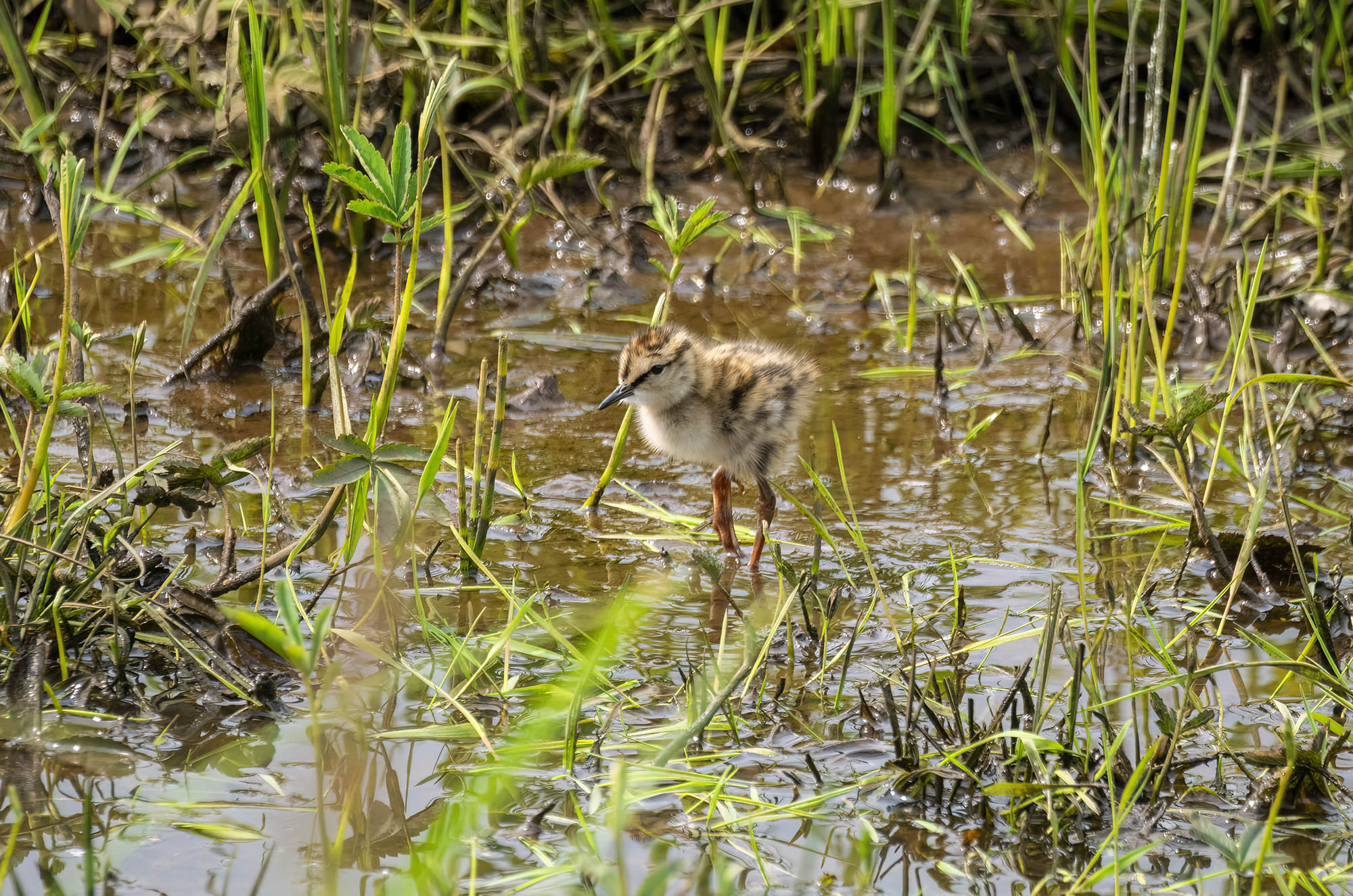
And while all this was going on, an insistent peeping call echoed from a redshank striding along the water’s edge. The reason for the bird’s constant calls quickly became clear when four tiny redshank chicks tottered out of the vegetation and into view. As the parent moved along the scrape, the chicks instinctively followed – even when that meant paddling across the water to reach the side closest to the hide.
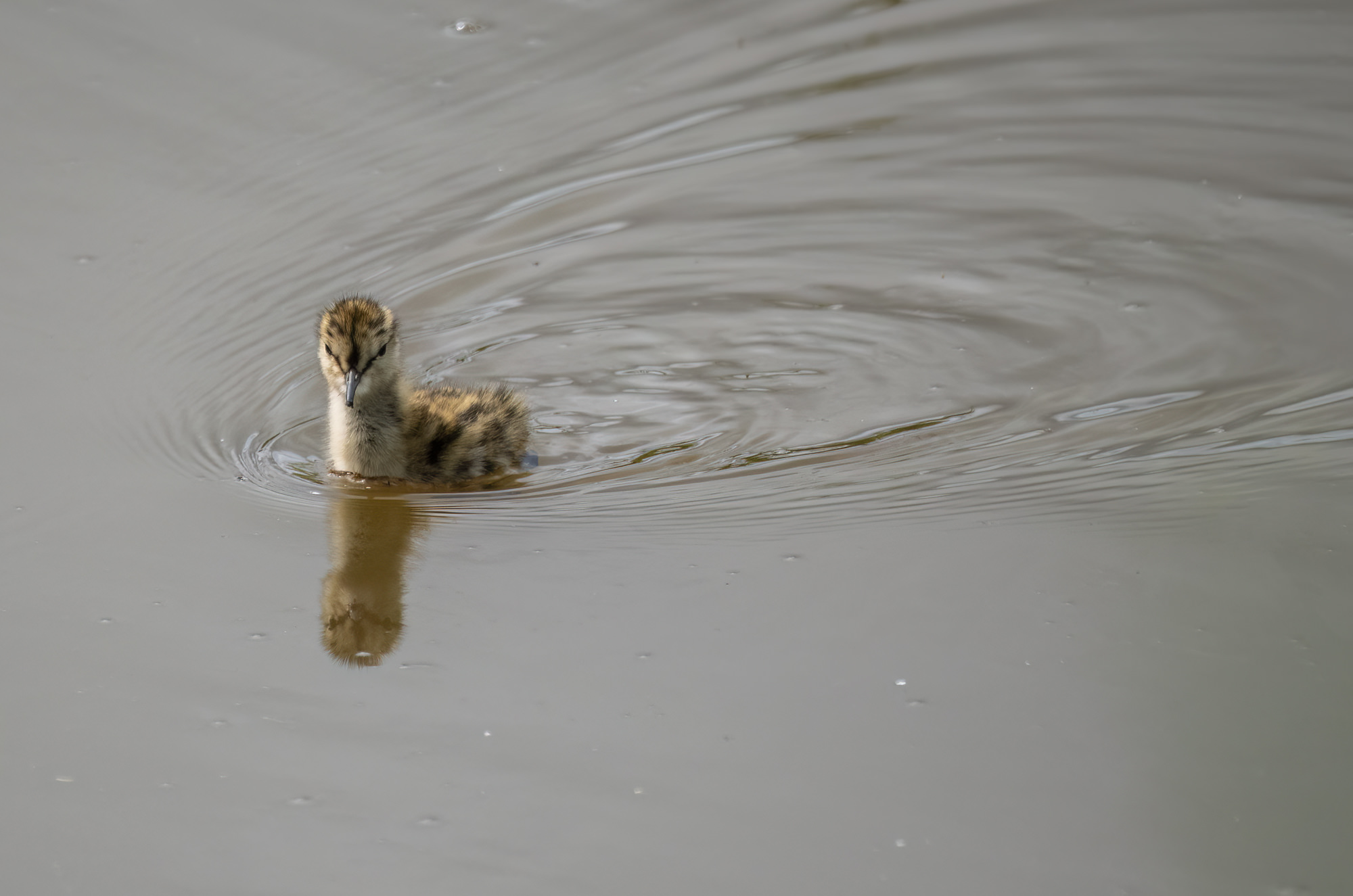
Redshank chicks, like all waders, can walk and feed themselves soon after hatching. But being independent so early comes with risks – they’re easy targets for predators. That’s why they rely on tall grasses for cover and nearby damp ground teeming with invertebrates to fuel their rapid growth.
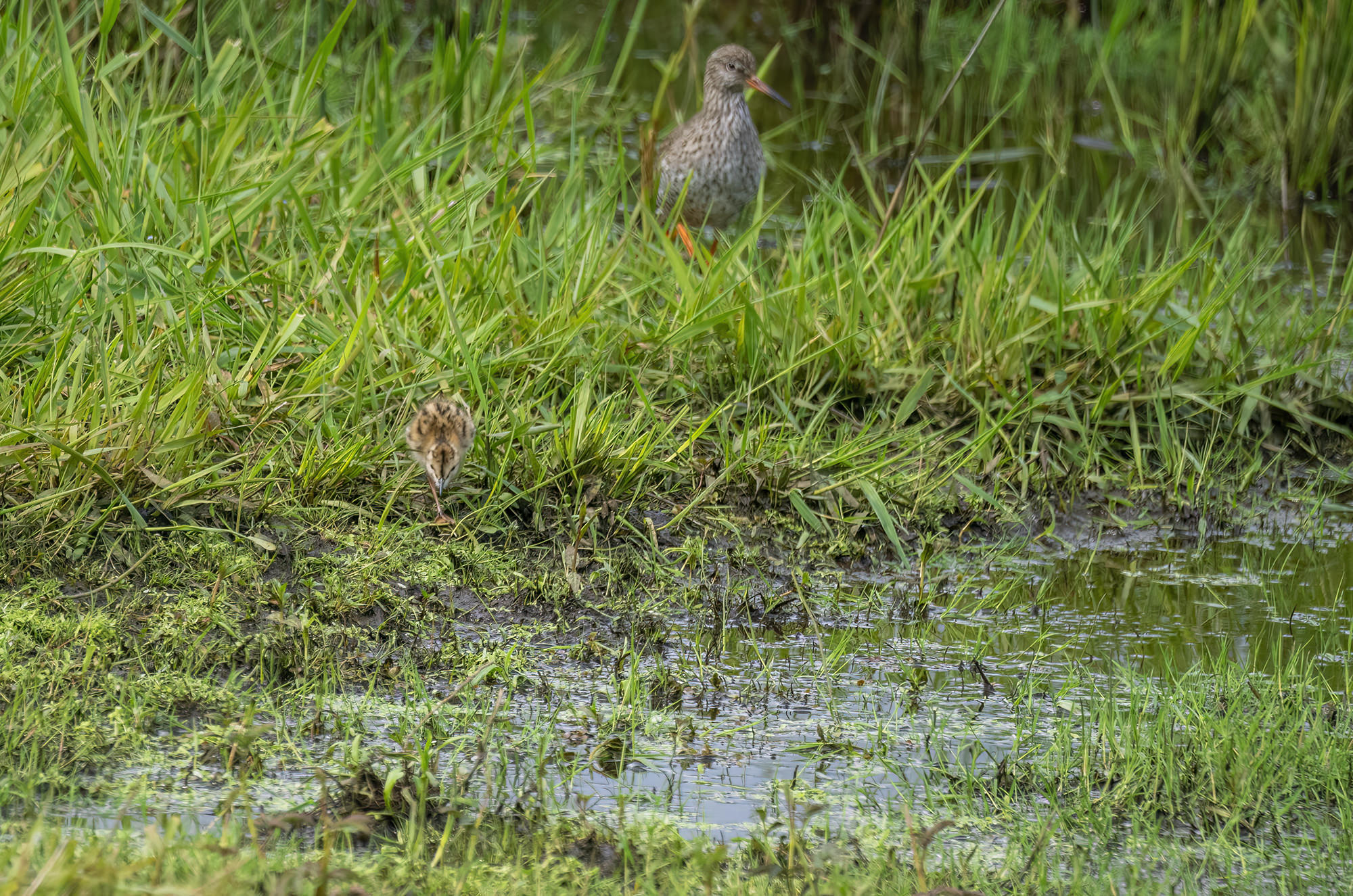
Playing ‘follow-my-leader’ with their parents helps to keep them safe, and that was definitely the case with this little family. It wasn’t long before something spooked the adult bird and flushed it to the other side of the water. Silence. The adult stopped calling, and the chicks froze and vanished into the long grass in front of the hide.
Once the parent determined the coast was clear, it returned to where its chicks were waiting. The peeping calls began again, and the family continued on their journey around the scrapes.
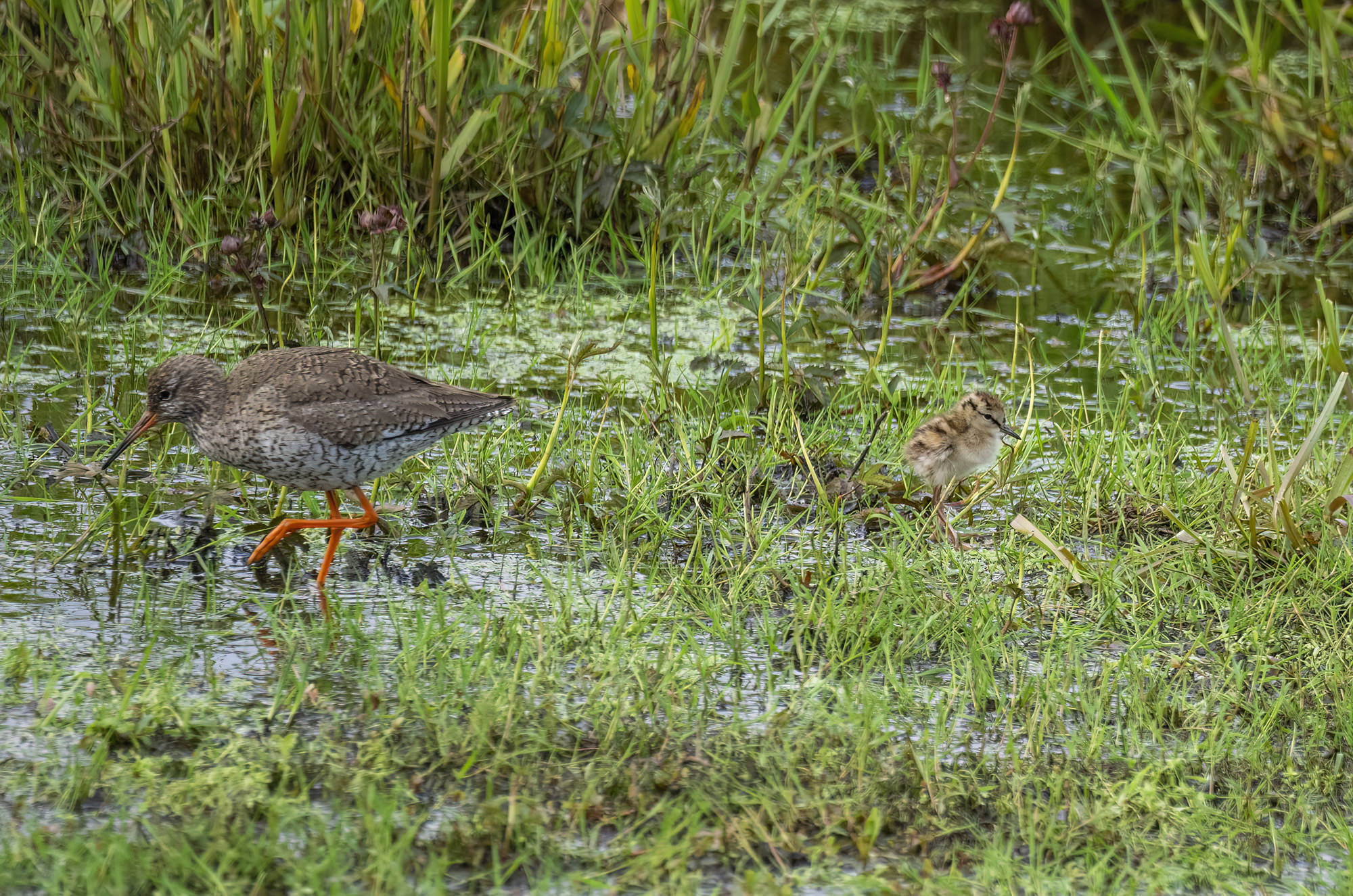
I’ve since seen footage on the reserve’s Facebook page showing at least one of the chicks maturing nicely. The level of parental care displayed by the redshank clearly paid off.
Witnessing this redshank family navigate the scrapes, with all the threats they face, reminded me why photographing the trials and triumphs of new life in spring is so rewarding.