
This time last year, I blogged about 2024 being the year my wildlife photography clicked. Well, if 2024 was the year of everything naturally falling into place, 2025 was more about engineering opportunities.
Luck is a huge part of wildlife photography – nothing is guaranteed when it comes to animal encounters. However, there are things you can do to greatly improve your chances, particularly if you are short on time to get outdoors or want to photograph a specific species. And I had to use plenty of these techniques last year.
Following the digital trail
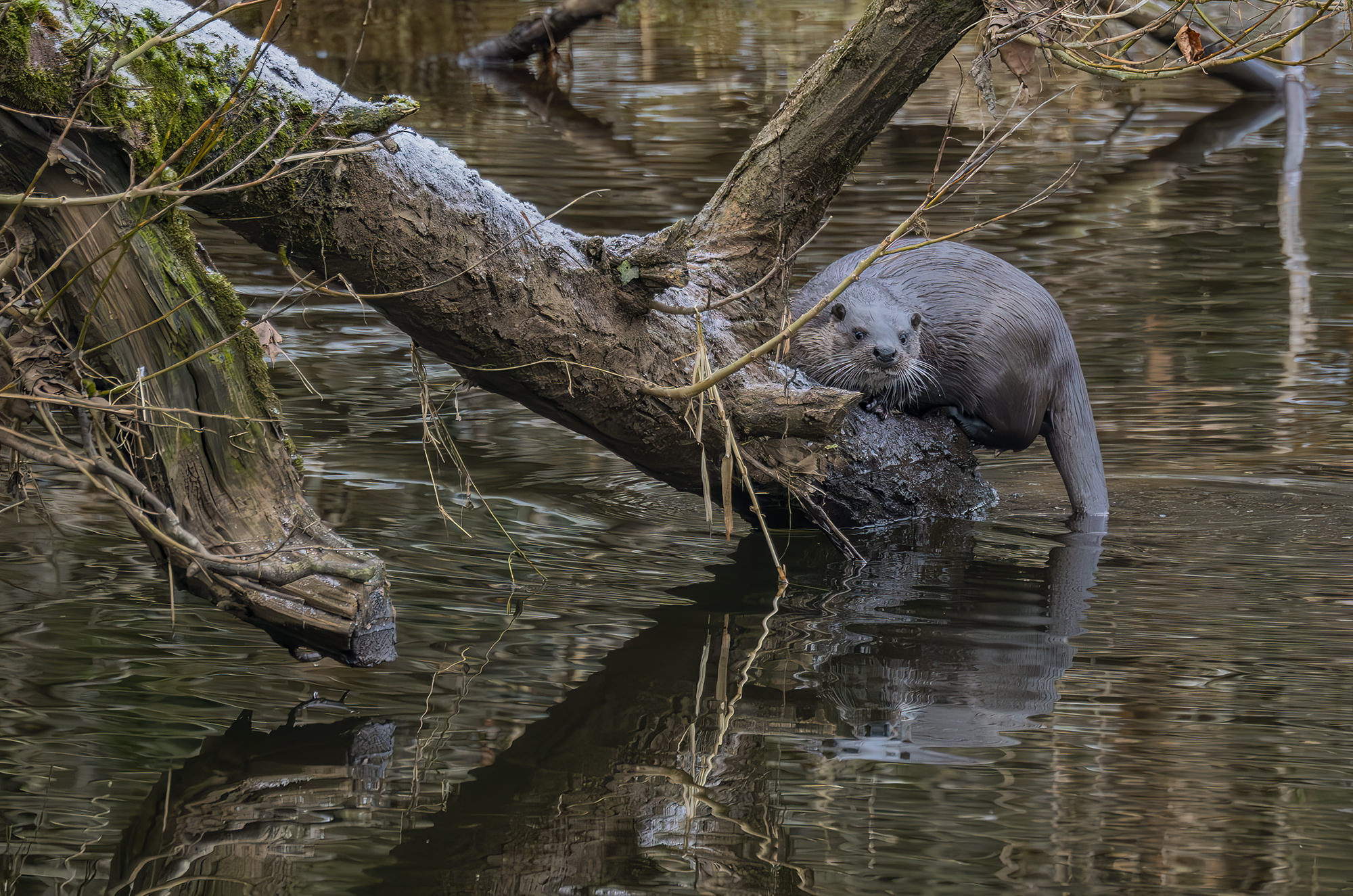
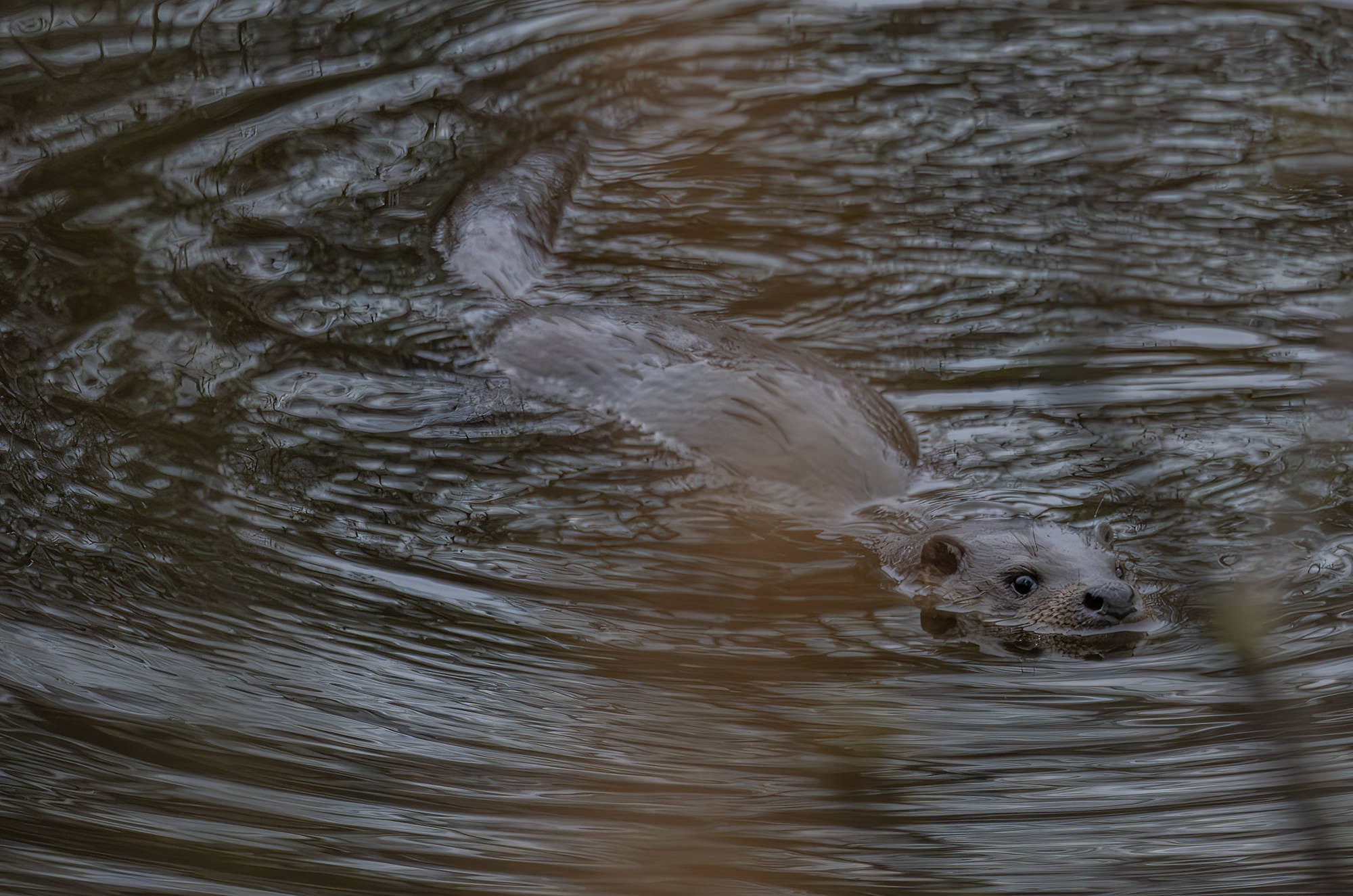
I’m a firm believer in using social media to get information on the latest sightings and locations that are working for other photographers. Keeping my eyes peeled on the digital chat led me to photographing waxwings back in November 2023. In 2025, my biggest success was finding a reliable local location for otters by following sightings and photos on X (formerly Twitter). In January, we visited the same stretch of the River Clyde on consecutive days and over a couple of weekends, and we saw them every time.
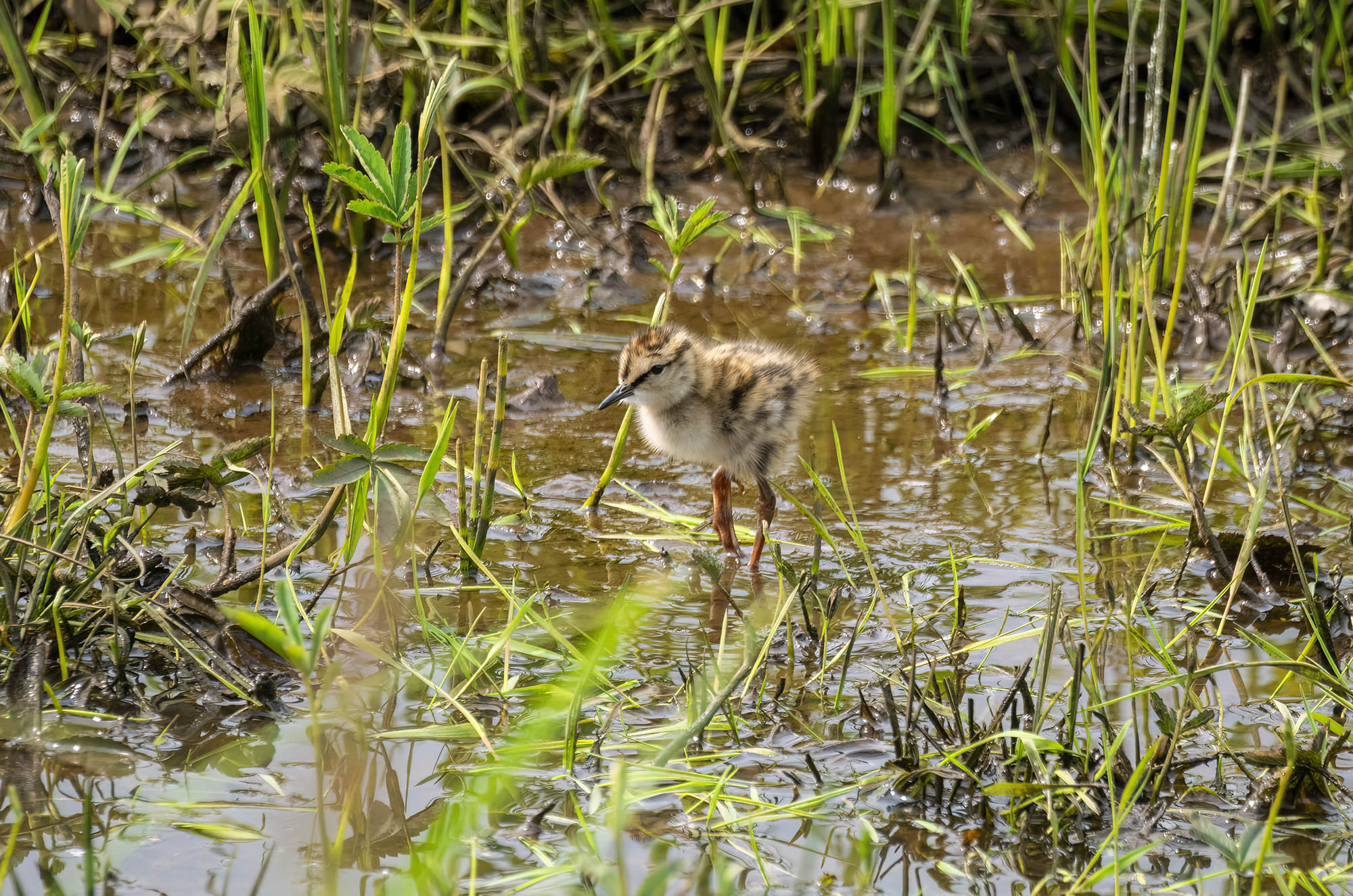
And it’s not just about keeping an eye on individual accounts, as nature reserves also do a great job of posting about interesting arrivals and behaviour to look out for when visiting. On a stuffy afternoon at the RSPB’s Lochwinnoch Nature Reserve back in June, I finally caught sight of some of the wader chicks they’d mentioned on their Facebook feed. Watching a redshank family making their way around the scrapes was a highlight.
Of course, it often pays to chat to photographers and wildlife watchers in person too. In February, while looking out for great crested grebes on a local loch, I got the heads up that a pair of goldeneyes were about to mate. The kindly chap who’d placed his tripod next to me explained that we should watch out for the male stretching one wing and leg out behind him when the female was in her submissive position. This was the indicator that they were about to mate.
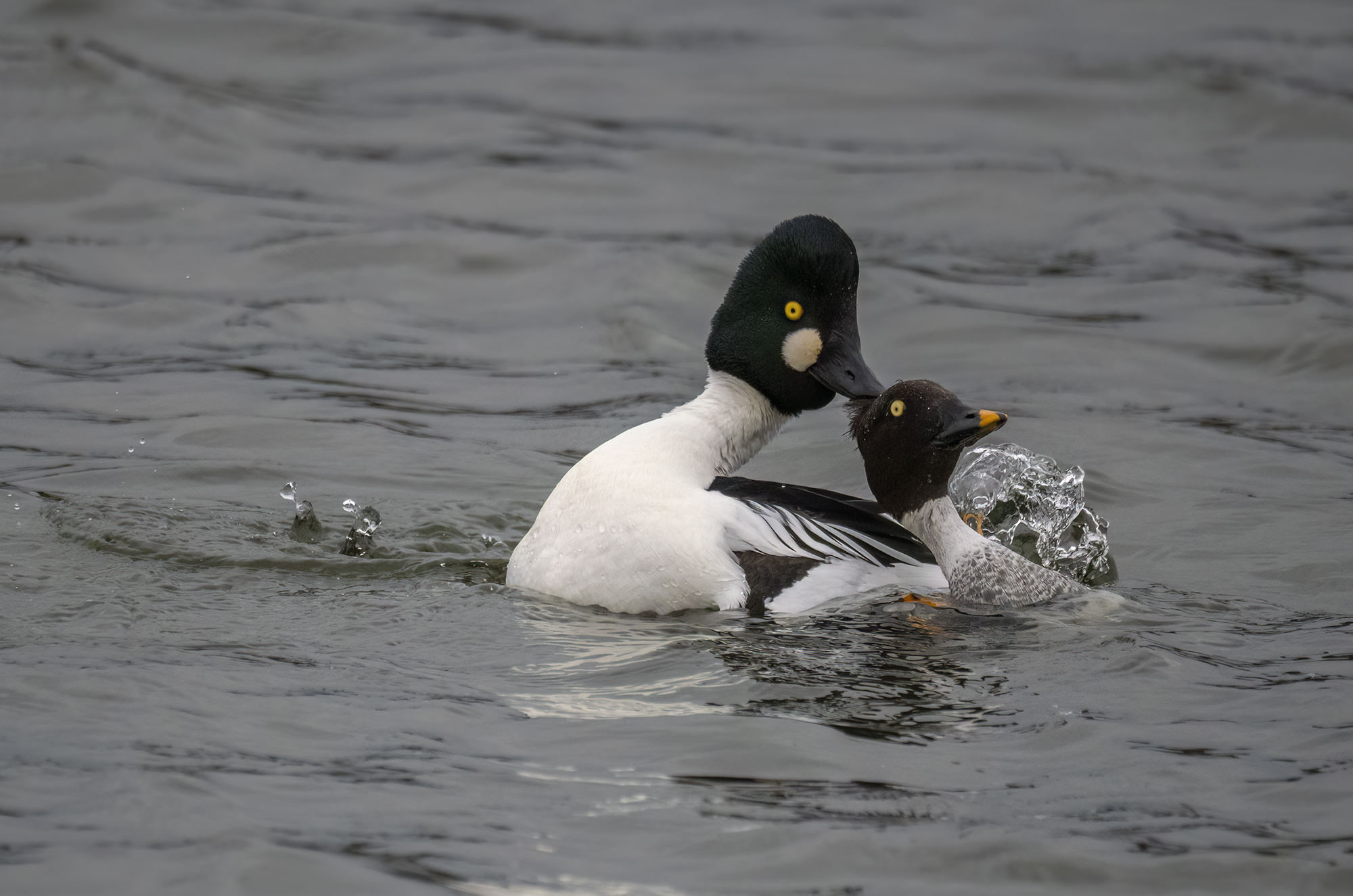
He wasn’t wrong. A few moments after the drake had finished his best stretching moves, he rushed over to the female, creating his own bow wave, and grabbed her behind the head. While much of the mating took place with the birds’ backs to us, they did spin around briefly, giving us both the opportunity to capture some images of them in the act. Without his advice, we would have walked away to find the grebes and missed the birds mating by just a few minutes. I also now know what to look out for when the goldeneye mating season warms up on our local lochs.
Research reaps rewards
Doing your homework before visiting a new location can be the difference between a memory card full of images and coming away with nothing. So, when we headed off to a few unfamiliar spots during 2025, I made sure I was fully prepared for what we might see.
On a trip to the east coast near Dundee in March, my partner and I took full advantage of the wide variety of nearby nature reserves – with varying degrees of success. While we missed out on beavers at Loch of Kinnordy and only caught a distant glimpse of a kingfisher at Montrose Basin, we spotted some other interesting species and hit the jackpot with red squirrels at Morton Lochs.
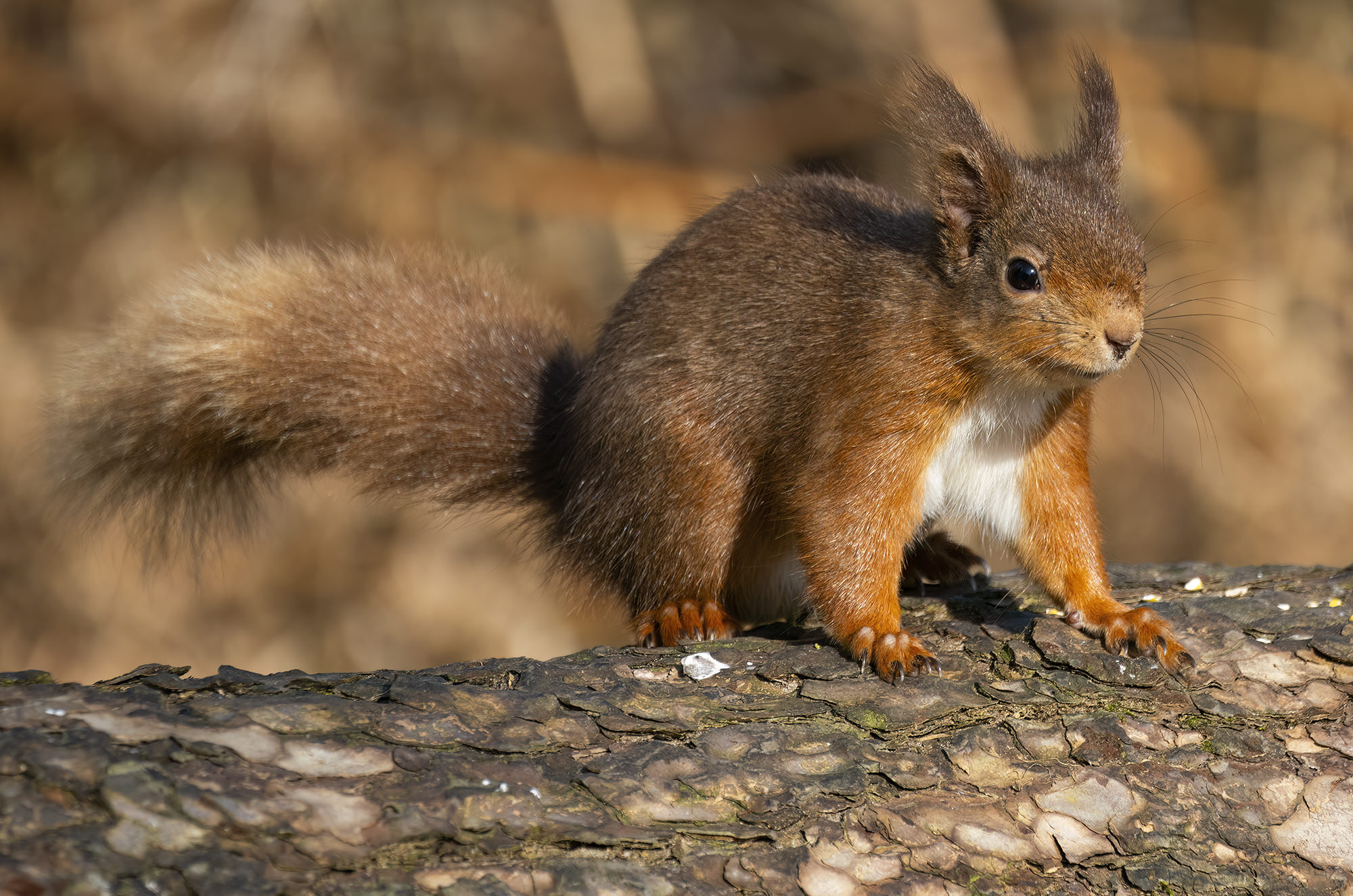
I may already have had the joy of capturing red squirrels numerous times, but I was delighted to finally photograph them with full, fluffy ear tufts – something I had previously missed due to photographing them in warmer months or during rainy weather. Spring is an ideal time to see these tufts before they are shed along with the squirrels’ thicker winter coats.
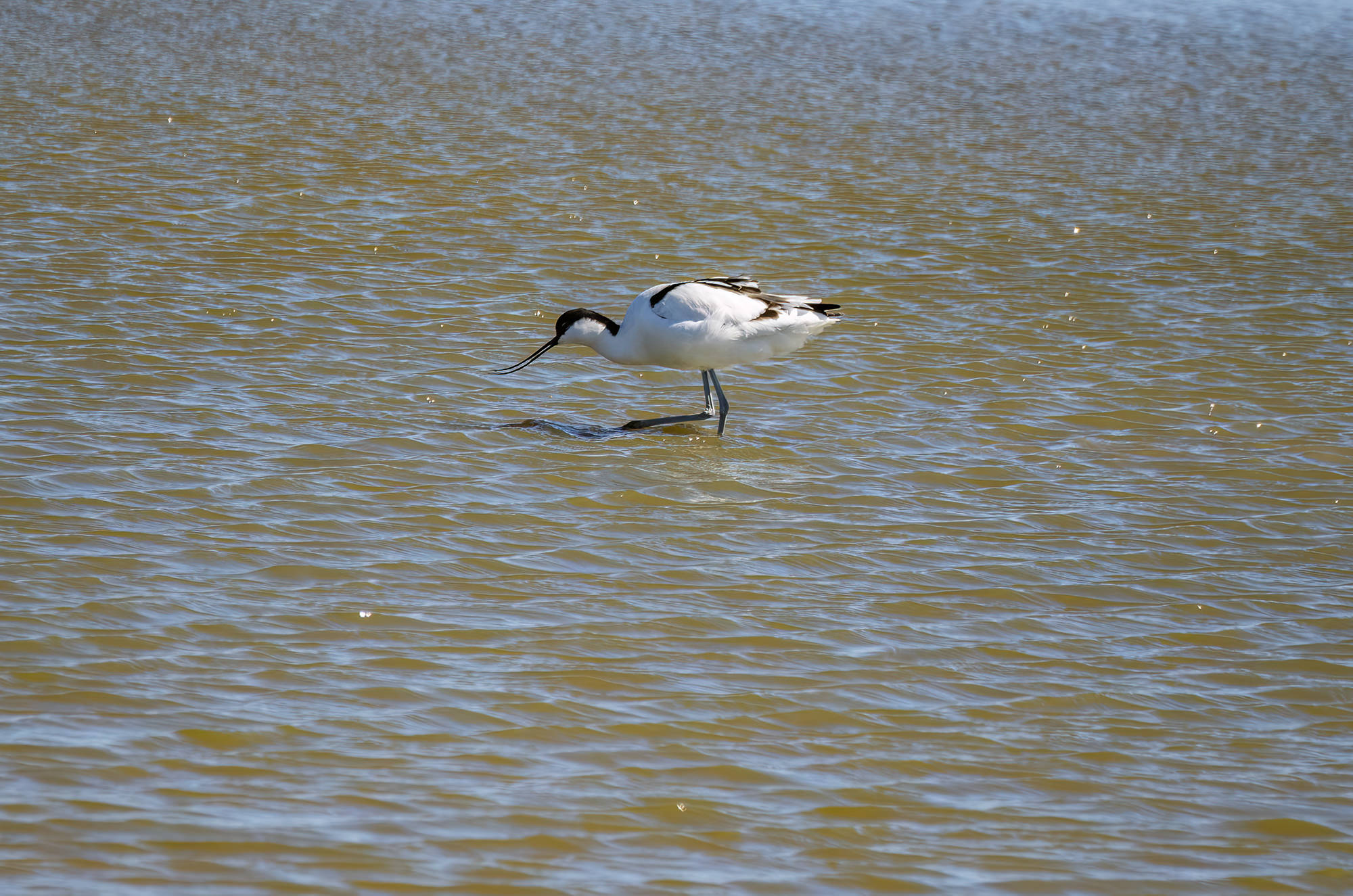
In April, we were down in England visiting my family and paid a quick visit to the RSPB’s Titchwell Marsh Reserve, where we came face to face with some less familiar subjects, including a wishlist bird for me – the avocet. I’ve wanted to photograph these birds for many years, and while my photos and footage won’t be winning any awards, it was a delight to witness their “scything” feeding technique, sweeping their distinctive upturned bills side to side through shallow water to capture prey.
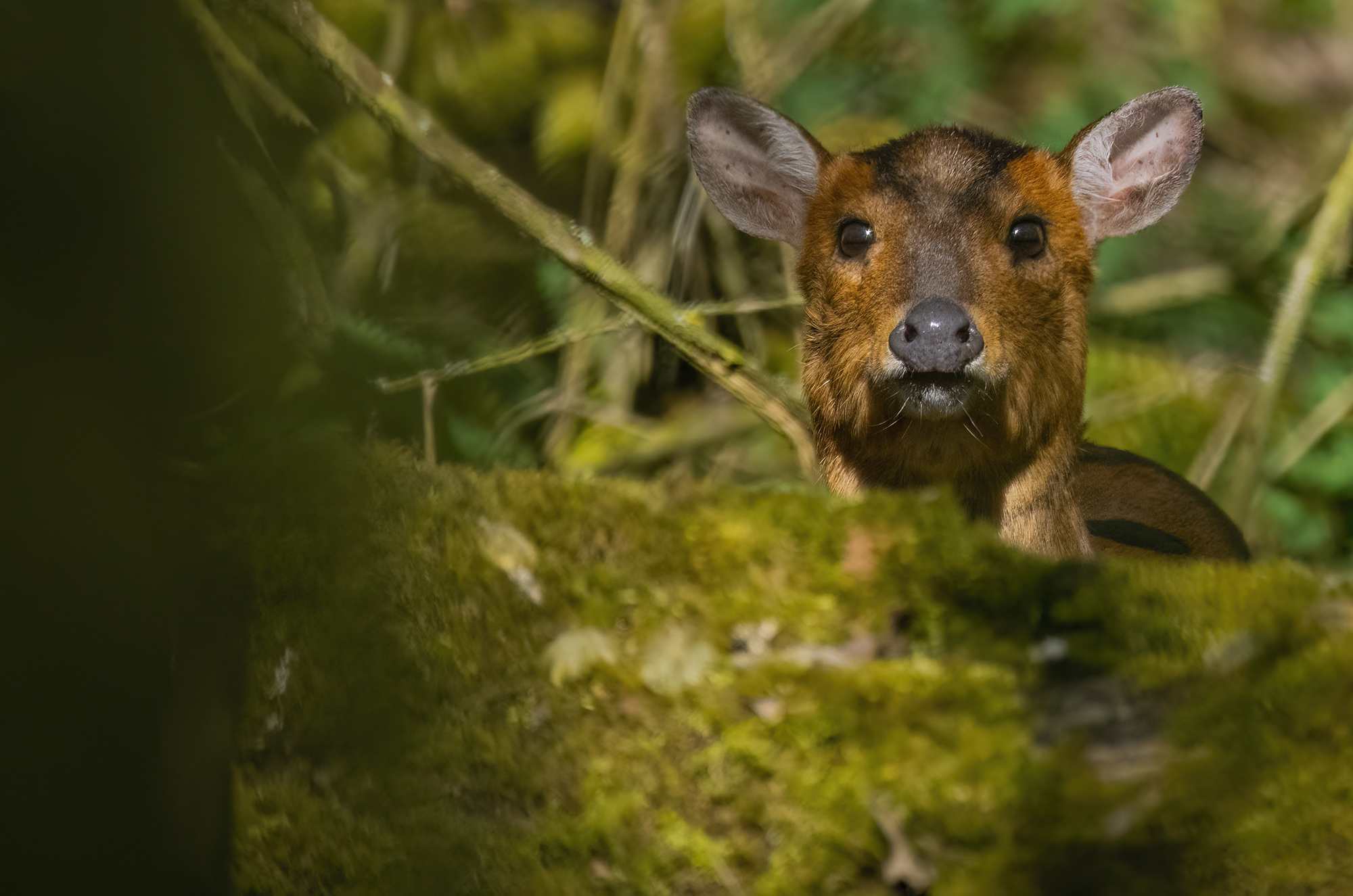
I also finally got to point my lens at a new species of deer for me – the muntjac. With branches and foliage obscuring much of the view of this female, it was almost impossible to find a clear line of sight as she meandered through the thicket. I was lucky that a dog being walked along the path behind us caused her to raise her head cautiously over a log to check on the potential danger – just long enough for me to capture the image I had been hoping for, before she slipped away deeper into the undergrowth.
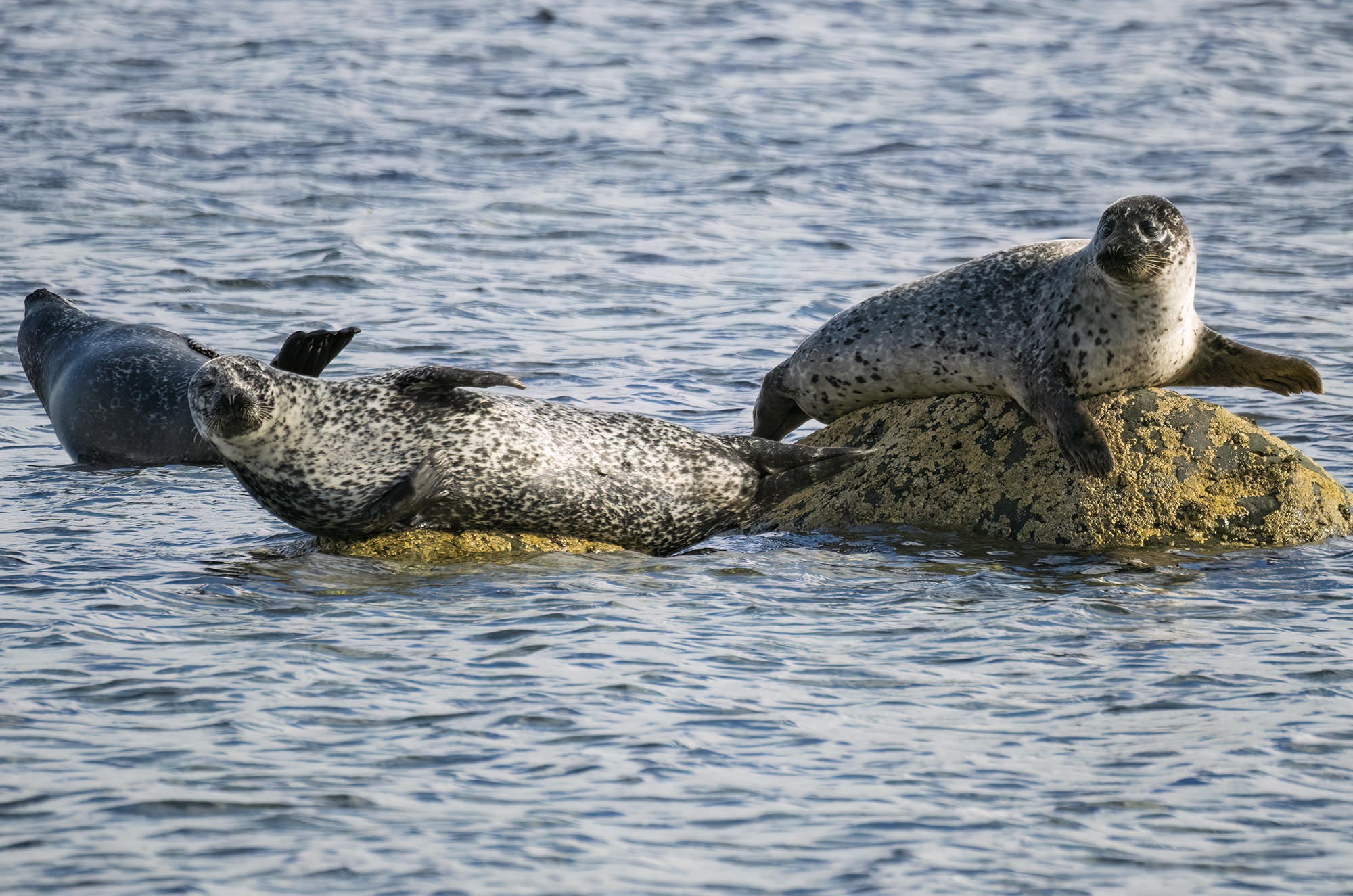
In September, we travelled over to the Isle of Bute for some relaxing walks and a spot of wildlife watching. During my research into the island, I discovered that the seals of Scalpsie Bay were often seen basking on the rocks along a stretch of shore during low tide. We were in luck on the day we visited – as we moved from the path down to the beach, we could clearly see a number of harbour seals sunning themselves on the rocks. By giving the seals plenty of space and sitting quietly to monitor their reactions to us, they remained relaxed, and I was able to capture photos of them as they basked, swam about and failed miserably to remain resting on rocks that were being reclaimed by the incoming tide. It was a delightful couple of hours with these magnificent marine mammals.
Revisiting familiar ground
While unfamiliar locations were productive, more familiar spots were also rewarding and proved that it’s always worth revisiting places to make the most of any wildlife watching opportunities.
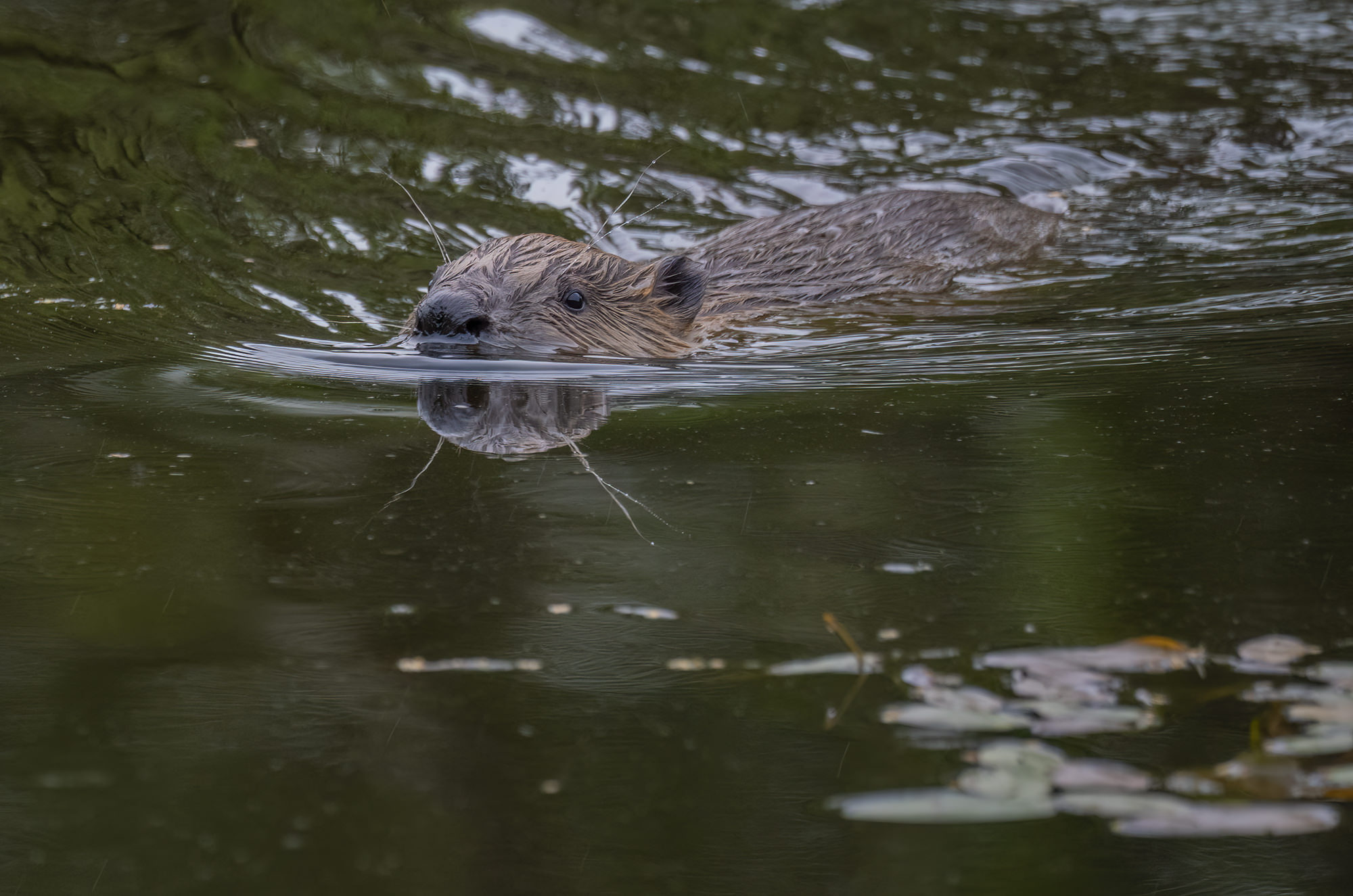
I’ve been eager to watch beavers for a long time. So, when Argaty Red Kites – who we’ve visited on numerous occasions to watch red kites and red squirrels – announced they were offering tours to see one of their reintroduced beaver families, I was immediately interested. It wasn’t until July that we finally made it out to their farm to try to catch a glimpse of these enchanting animals. We ended up having a glorious evening watching and photographing these ecosystem engineers at work in the fading light.
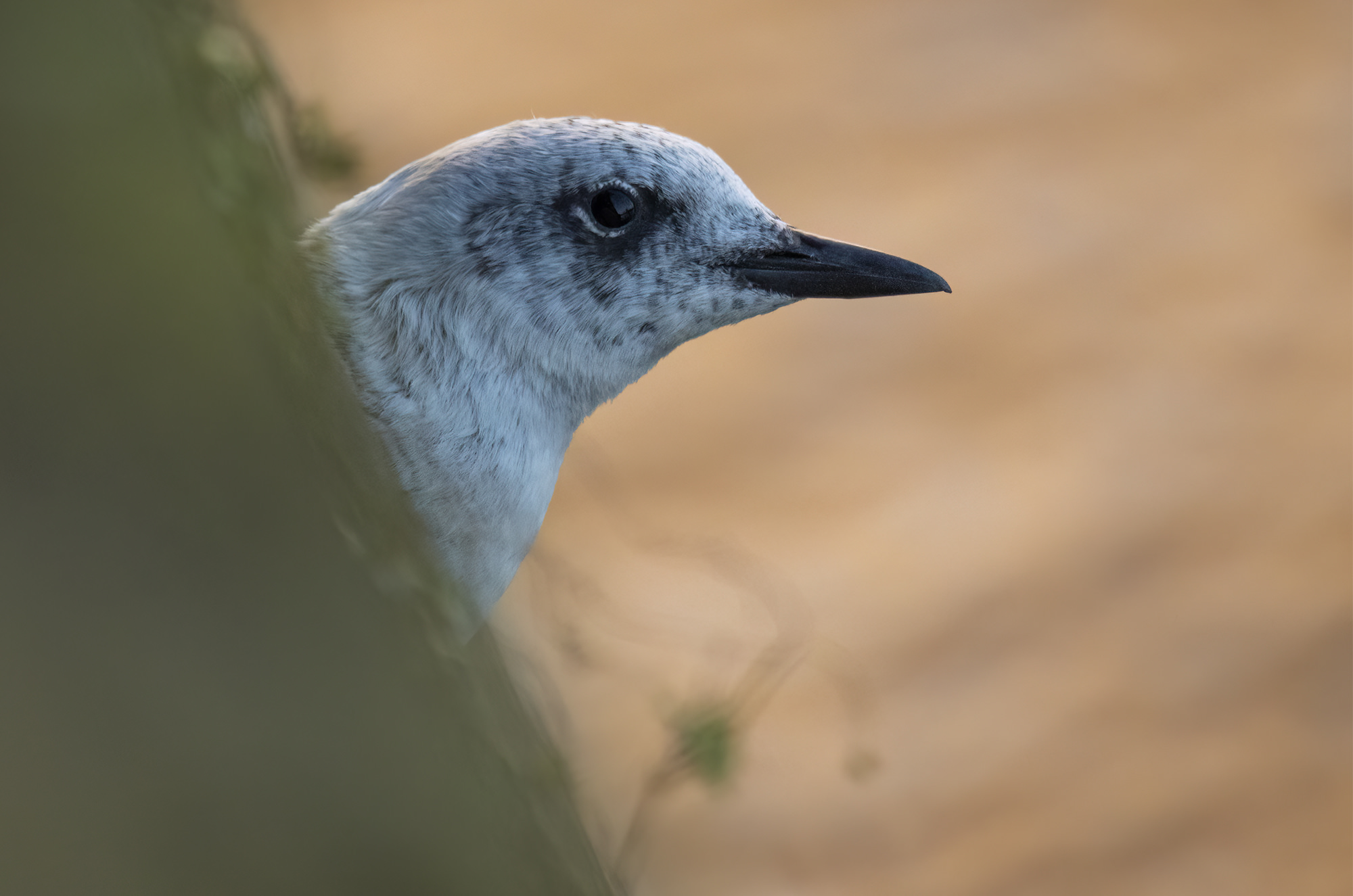
Another place we revisited often during the year was the Port Glasgow to Greenock stretch of the Firth of Clyde. I was determined to capture more images and footage of the black guillemots that call this part of the coast home, and they didn’t disappoint. I even ended the year capturing close-up images of these birds in their non-breeding plumage.
Closer to home, an increase in human activity combined with fields dominated by herds of Highland cattle meant that encounters with roe deer were much less frequent than they’d been in previous years. Roe deer are sensitive to disturbance, and it was obvious that their resting and feeding spots had shifted. While this was incredibly frustrating, and I couldn’t help but miss the opportunity to spend time with the deer I’d got to know so well, there were still opportunities to point my lens at other animals.
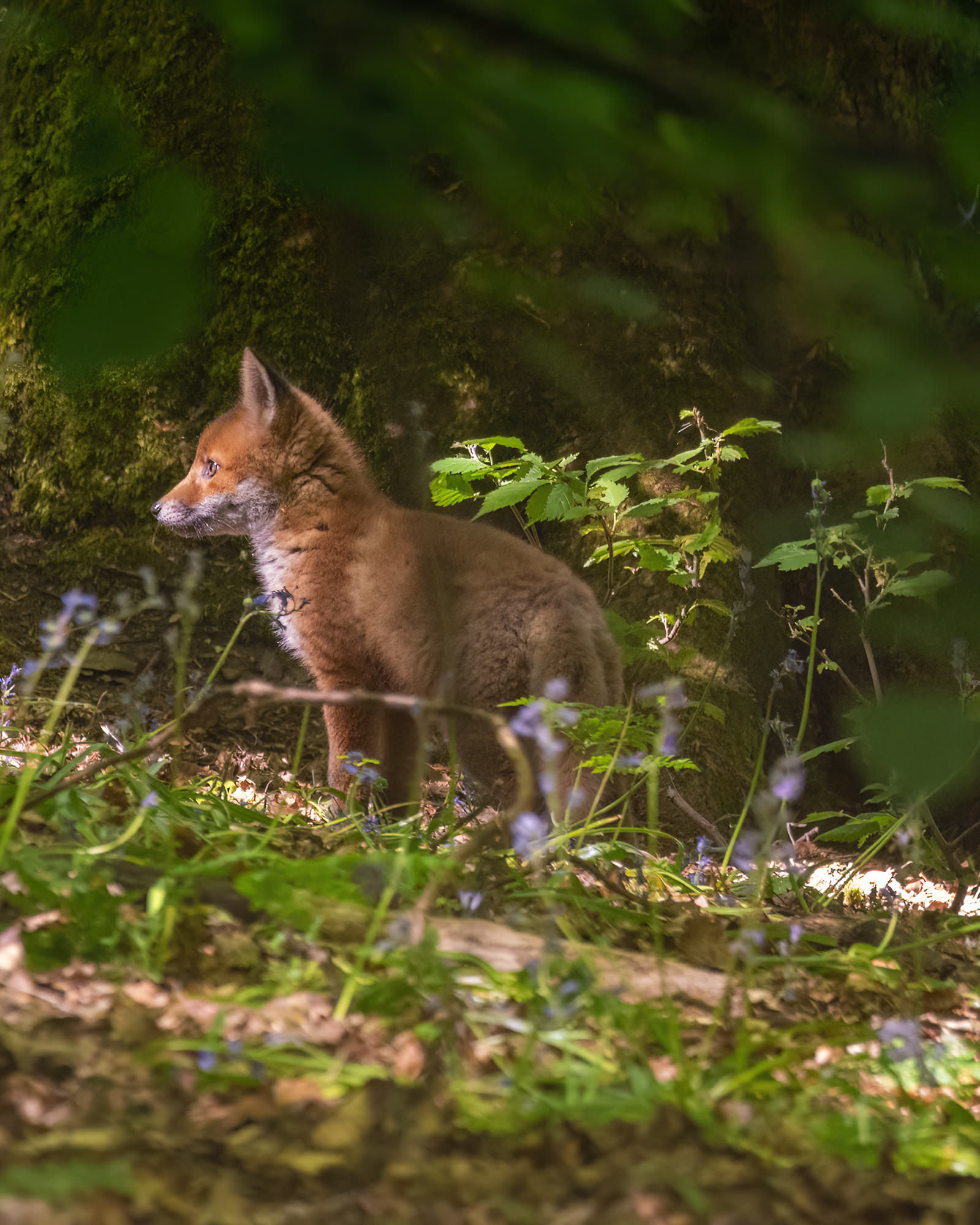
In May, I discovered a fox den a short distance from my usual lunchtime walking route and had a few wonderful encounters with fox cubs – a first for me. While the conditions weren’t ideal for capturing these fast-moving and unpredictable bundles of chaos, I was delighted to spend time with them and capture a few usable images.
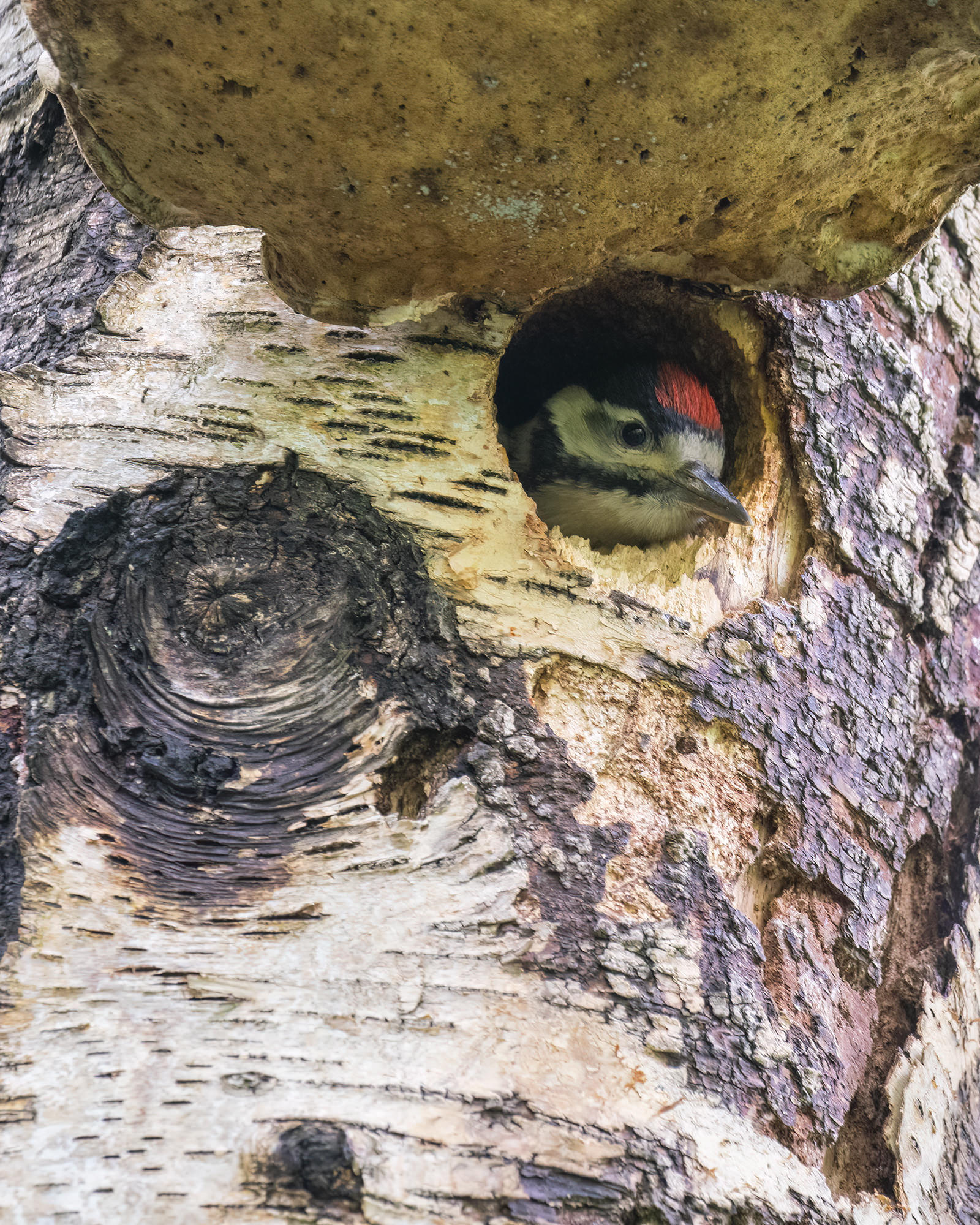
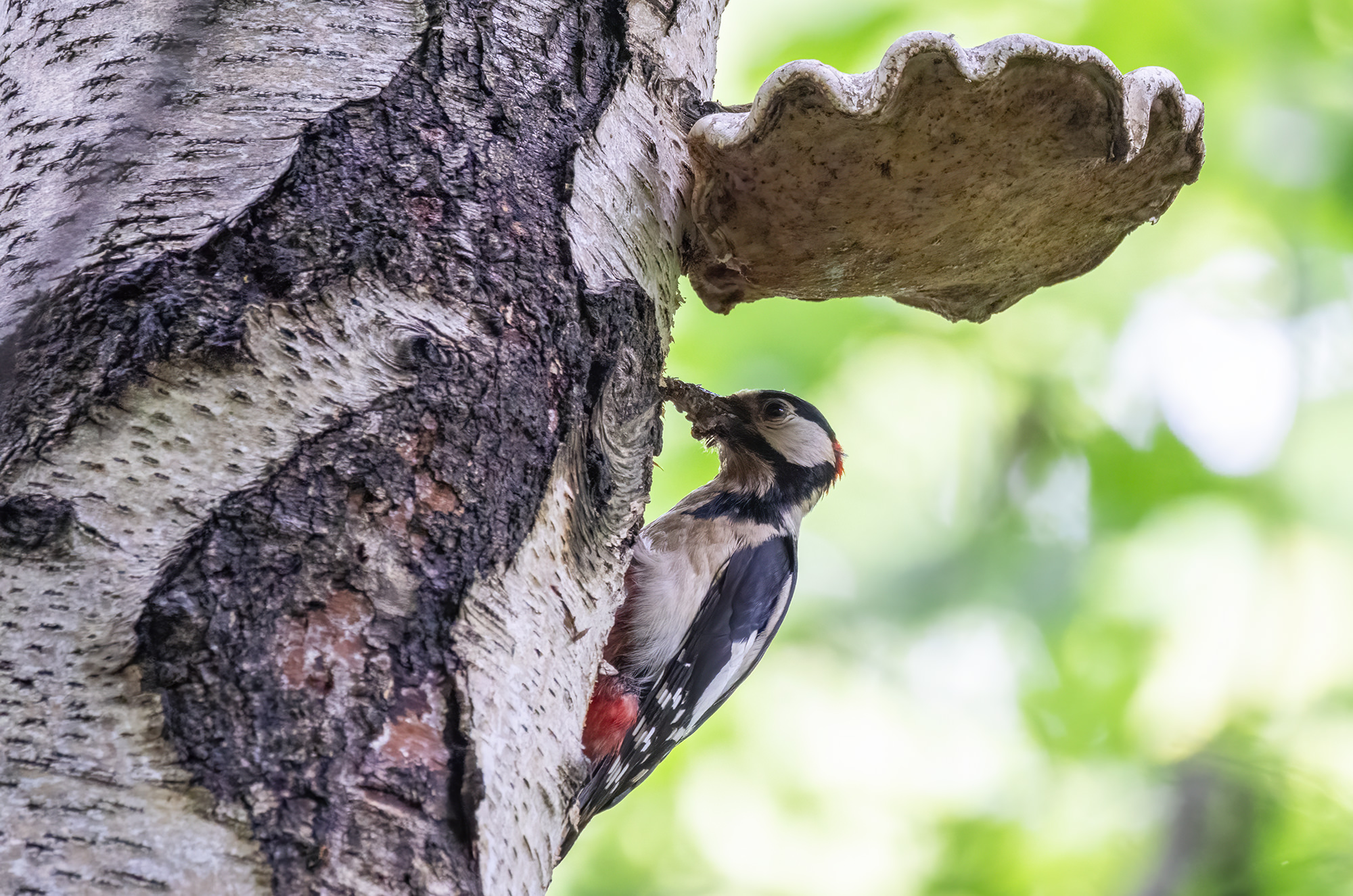
Then, one day while looking out for the foxes, I heard a constant loud bird call coming from a nearby tree which I recognised straight away as a great spotted woodpecker chick insistently calling for food. I didn’t have to wait long before a little head popped out of the hole and confirmed it. Watching from a respectable distance, I captured images of the chick and the male bringing in food without disturbing the birds. It was a fleeting opportunity, as by the next time I was able to return to the same spot, the chick had already fledged.
Recognition close to home
Talking of my local patch, it was a lovely surprise to be recognised in a couple of photography competitions in 2025 with images captured close to home. Three of my photos were highly commended in the British Deer Society Photographer of the Year competition, with two being of local roe deer bucks Quint and Hellboy. I was also shortlisted in the Environmental category of the Scottish Nature Photography Awards with a photo of a kingfisher that I captured on a ten-minute walk from my home.
While I am delighted with any recognition, it is particularly special when the photos selected are those showing local subjects, highlighting the urban wildlife wonders that I have the privilege of capturing.
If 2025 was about engineering opportunities, then I’m heading into 2026 hopeful that a mix of preparation, patience and the odd moment of luck will allow even more of those opportunities to unfold.