Sitting in front of my laptop watching yet another breathtaking image of a leopard flash across the screen, I felt my own photographs shrinking in significance. Last year, WildPhotos brought together some of the world’s best wildlife photographers to address how conservation photography is adapting to a changing world. This year, the one-day event returned with more presentations from Wildlife Photographer of the Year competition finalists and judges, to celebrate the art, craft, and impact of wildlife photography.
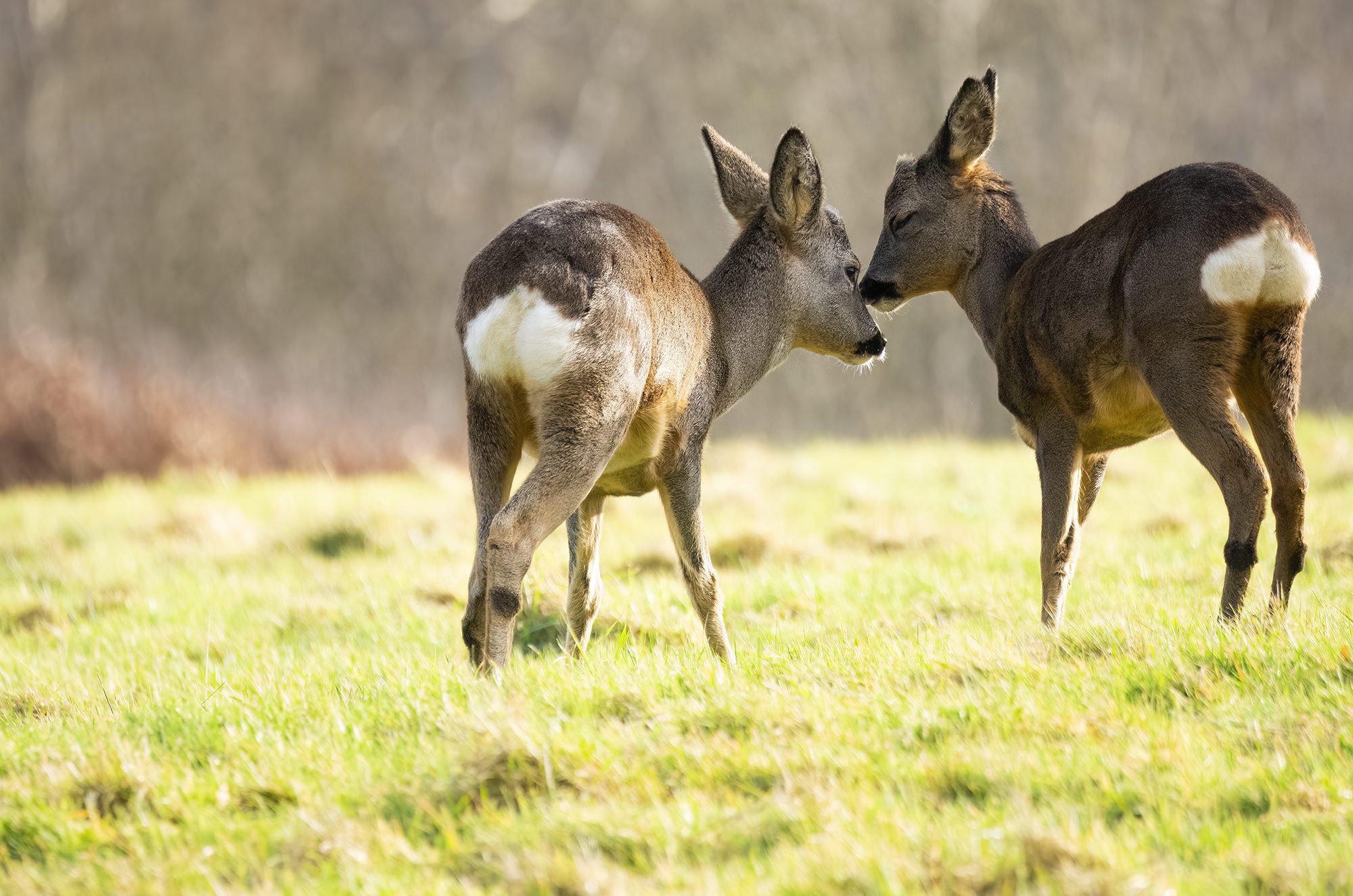
While the presentations and panel sessions at WildPhotos are always fascinating, I’ve found that the new one-day format lacks the breakout sessions that made the old two-day format more accessible to amateur photographers. Listening in awe to mind-blowing experiences and staring at images that leave you slack-jawed can make your own wildlife photography feel a bit pointless in comparison. However, there is still plenty for us amateurs to learn if you can get beyond the ‘big-ticket’ species overwhelm. In this blog, I’ll cover what I took from the day’s talks as well as sharing some of the more conservation-focused images from my local roe deer project and other urban wildlife encounters.
Learning from silent teachers
For me, the most inspiring and relatable talk came from headliner and 2022 Wildlife Photographer of the Year winner Karine Aigner. In her presentation, she explained how she came to document a family of bobcats in her backyard and how she works to convince others to care about wildlife through her photography.
What was fascinating was her acknowledgement of the lessons the bobcats taught her and how she was rewarded, through her learning, with initially their tolerance and later their trust. This resonated with me and reminded me of the relationships I’ve built with the roe deer on my local patch over the past few years. Karine’s recollections of how she began to get to know the individual bobcats’ characters mirrored my experiences with the deer. Her desire to find different ways of capturing the same behaviours was something that had long been on my mind.
Karine also noted that by spending so much time focused on the bobcats, she began to notice all the other animals that lived in her backyard – the roadrunner family, ground squirrels, frogs, toads, bees. It’s certainly true that when you begin to notice, you can’t un-notice. I could relate to the almost obsessional tone of her recollections as she shared her stunning images on the screen. I, too, have developed an obsession with getting to know the characters on my local patch.
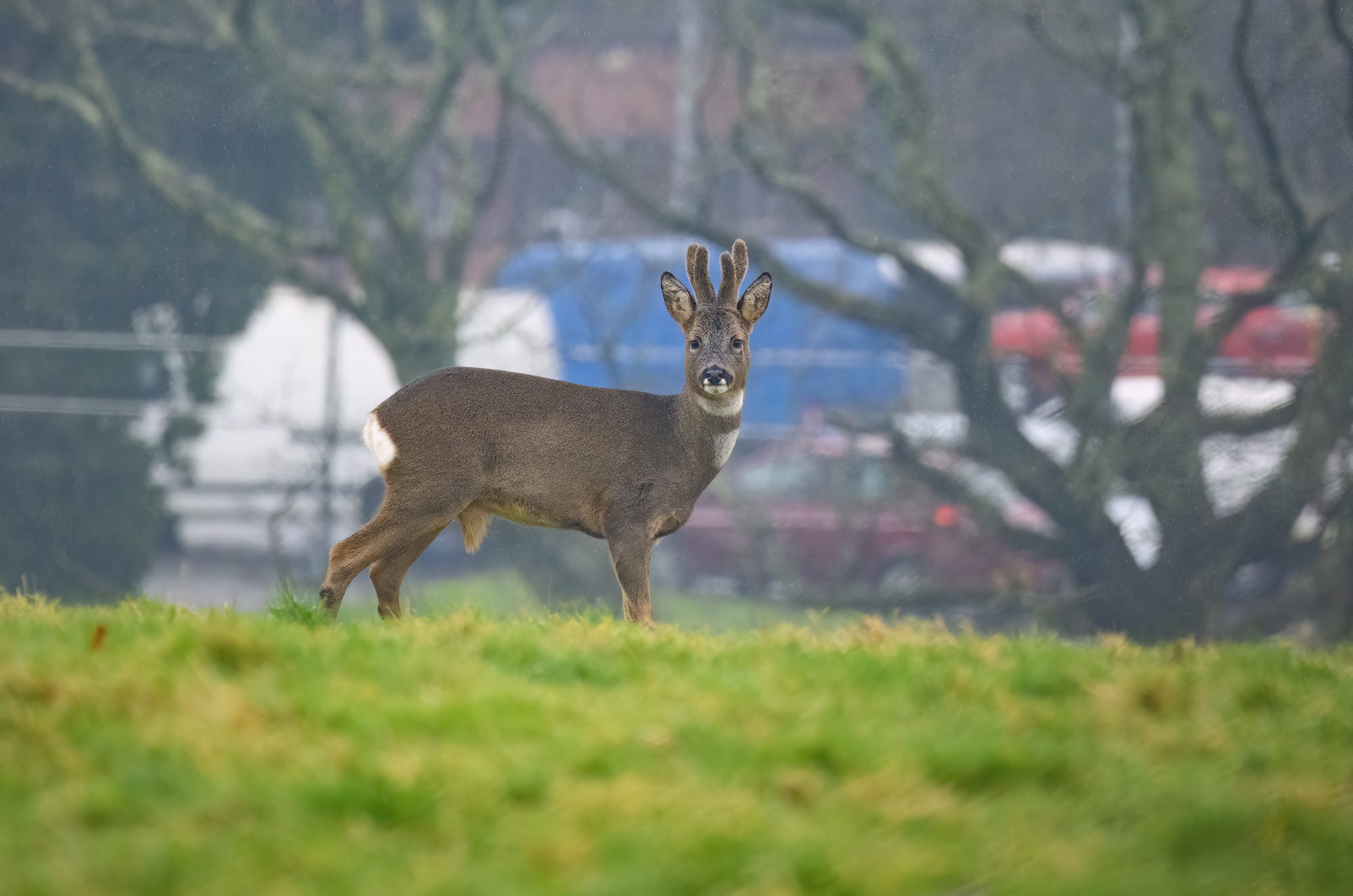
Karine also asked how we can learn lessons from these silent teachers, from a different species, and noted that this could be most possible when we are broken and looking for something – when we are truly open to listening. I wonder if getting to know the deer after the COVID lockdowns was due to my openness at that time, my new ability to just stand or sit and take in my environment, the slowing down of my world.
Karine pointed out that, in the natural world, if you give up you don’t survive, but also that if you don’t listen and learn you don’t survive. These are qualities we need as wildlife photographers: perseverance and the dedication to understanding our subjects.
And Karine’s final piece of advice?
“In the times when things might not be working out, be quiet, pay attention. Tread lightly and listen. Be patient, endure, be present. Wait when it’s uncomfortable and move at the right time. These are all bobcat characteristics, but they are also the human lessons we can learn from the wild ones.”
Photography and conservation: beyond ‘pretty pictures’
The panel session examined the relationship between photography and conservation. The participants – Melissa Groo, Jasper Doest and Ralph Pace – were asked by Chair Roz Kidman Cox how they use their images to drive change. Ralph pointed out that human issues are at the heart of conservation issues and that if we help people, we can also help nature. Melissa rightly pointed out that ethical photography is essential and involves being prepared and learning about your subject so you can avoid disturbing them.
The topic of ethics naturally led to a discussion about truth in wildlife photography and the issue of staged images captured at game farms – the resulting photos may be stunning and encourage people to care about wildlife, but these images don’t show wild animals behaving naturally, and the captive creatures often suffer. I was surprised the risks of AI-generated wildlife images weren’t mentioned in this part of the discussion.
The general feeling from the panel was that conservation photography goes beyond ‘pretty pictures’, although the conversation around this developed and the panel acknowledged that even the simplest portrait image of an animal can make people care about it. Melissa also noted that the information we provide when posting images, such as on social media channels, can be an opportunity to go beyond simply sharing the magic of the encounter to teaching others about the animal. It’s up to us to make sure that every image has an impact.
Time: the amateur photographer’s challenge
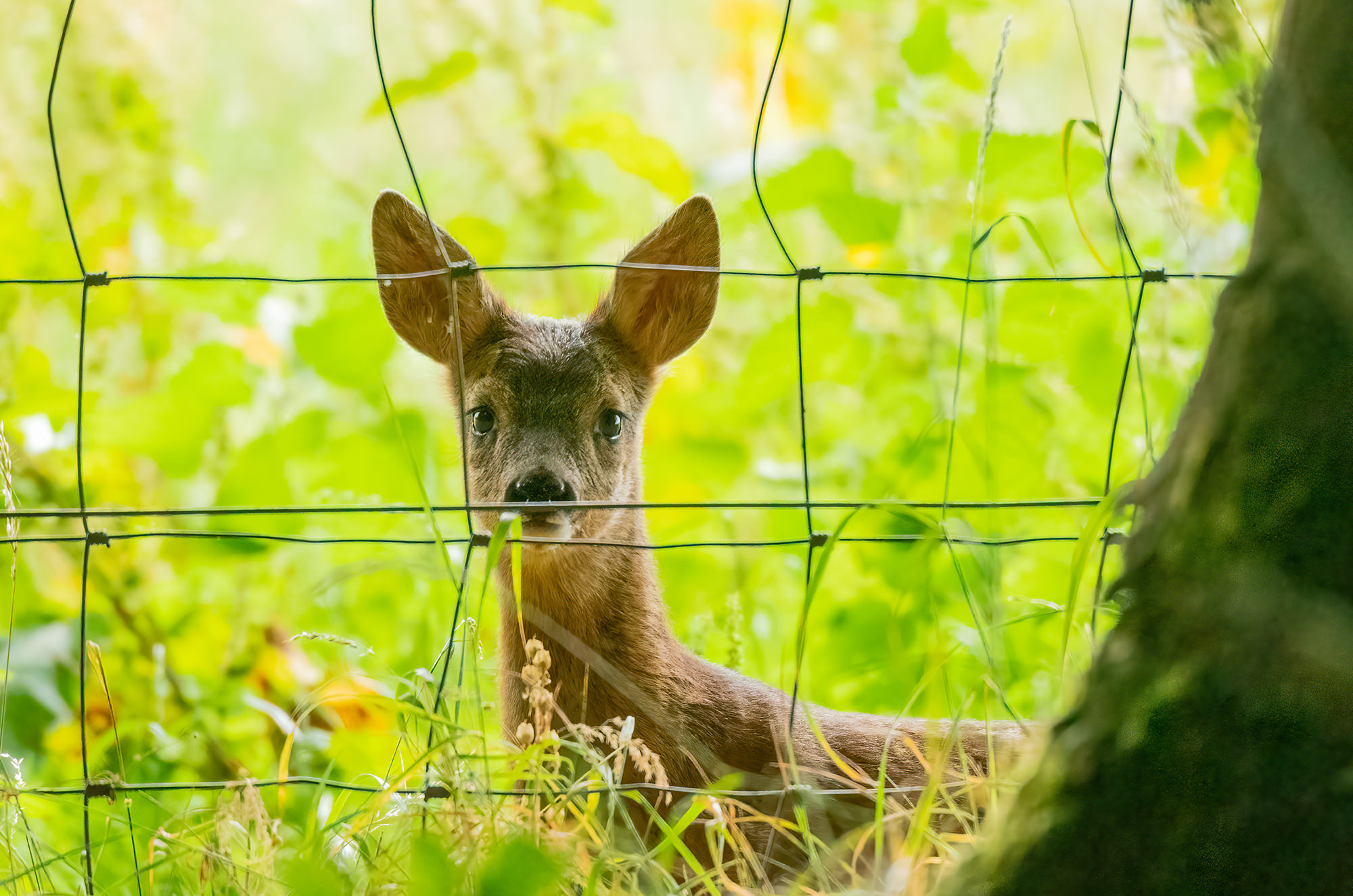
In her introduction to the Wildscapes lightning talks, host Hannah Stitfall mentioned time as a challenge photographers face in the field. This is a challenge that I think often affects amateur photographers’ ability to get to know their subjects and develop their portfolio – to go beyond ‘pretty pictures’. This is particularly true if you’re juggling other priorities, such as a full-time job or caring responsibilities.
This lack of time and reflections on ethics and impact continued to weigh on my mind, and by this point in the programme, I’ll be honest and say I was feeling a little flat – busy questioning whether my images were making anything better for my animal subjects and wondering how I could improve my approach within the limitations of my day job and other commitments.
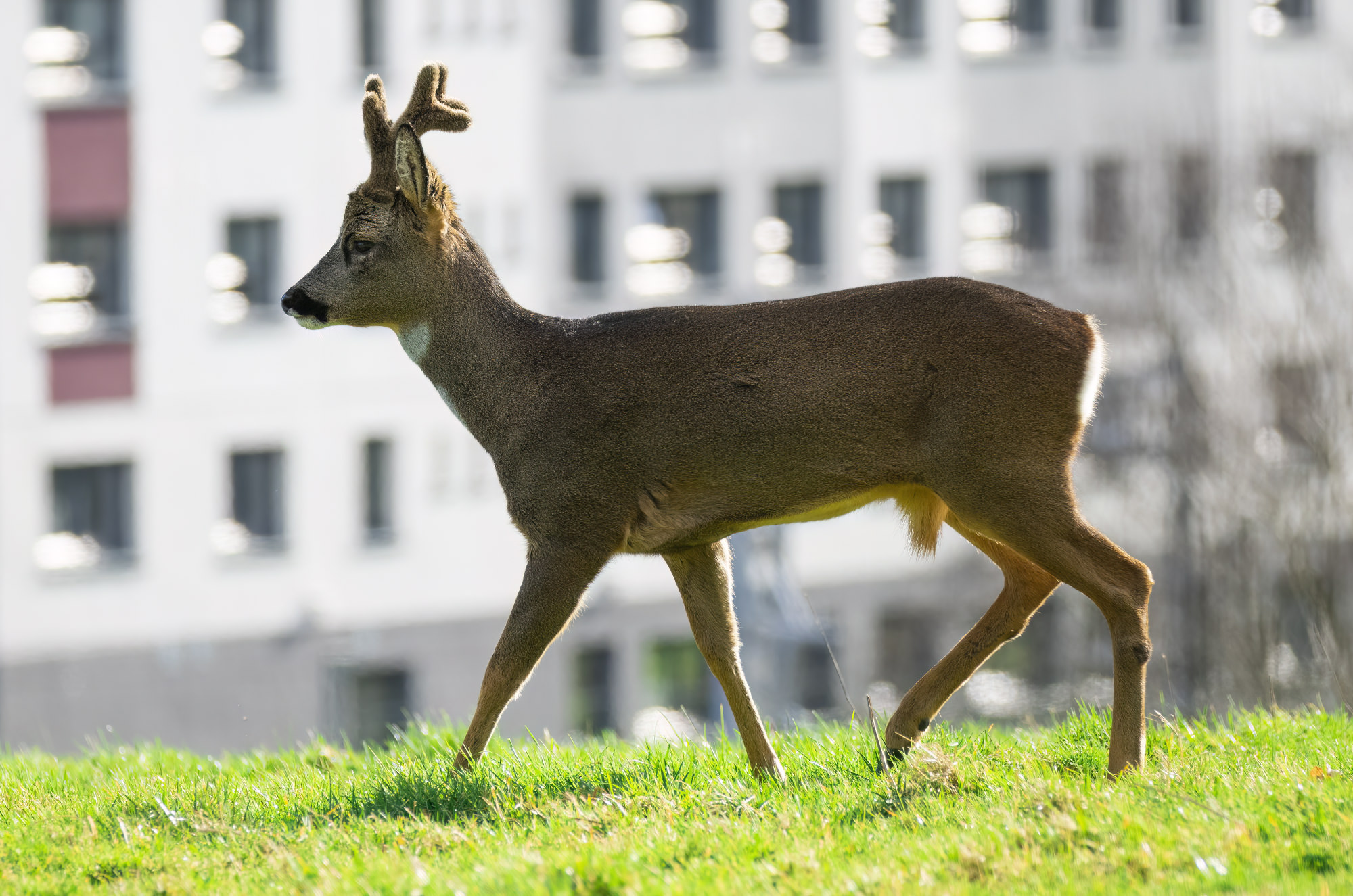
It was Andy Parkinson’s presentation about his work with mountain hares that lifted me out of my navel-gazing. He noted straight away that he is a self-confessed ‘pretty picture’ taker but also a fierce defender of animal rights. Andy pointed out that, while he doesn’t consider himself a conservation photographer, his images have been used to advocate for mountain hares. I was particularly comforted by his acceptance that his time with the mountain hares has passed – a feeling I am currently experiencing in relation to the local roe deer.
Personal takeaways
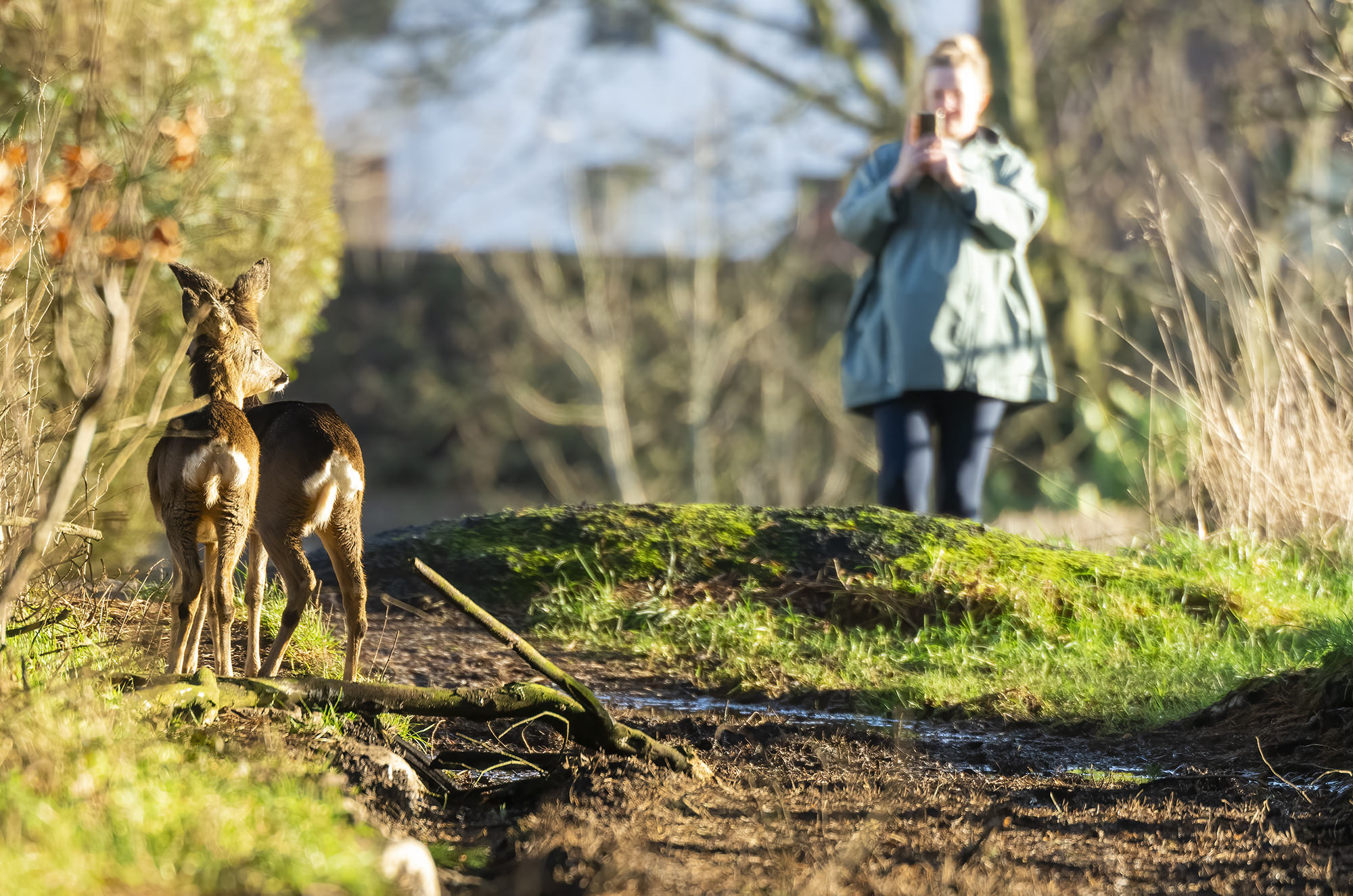
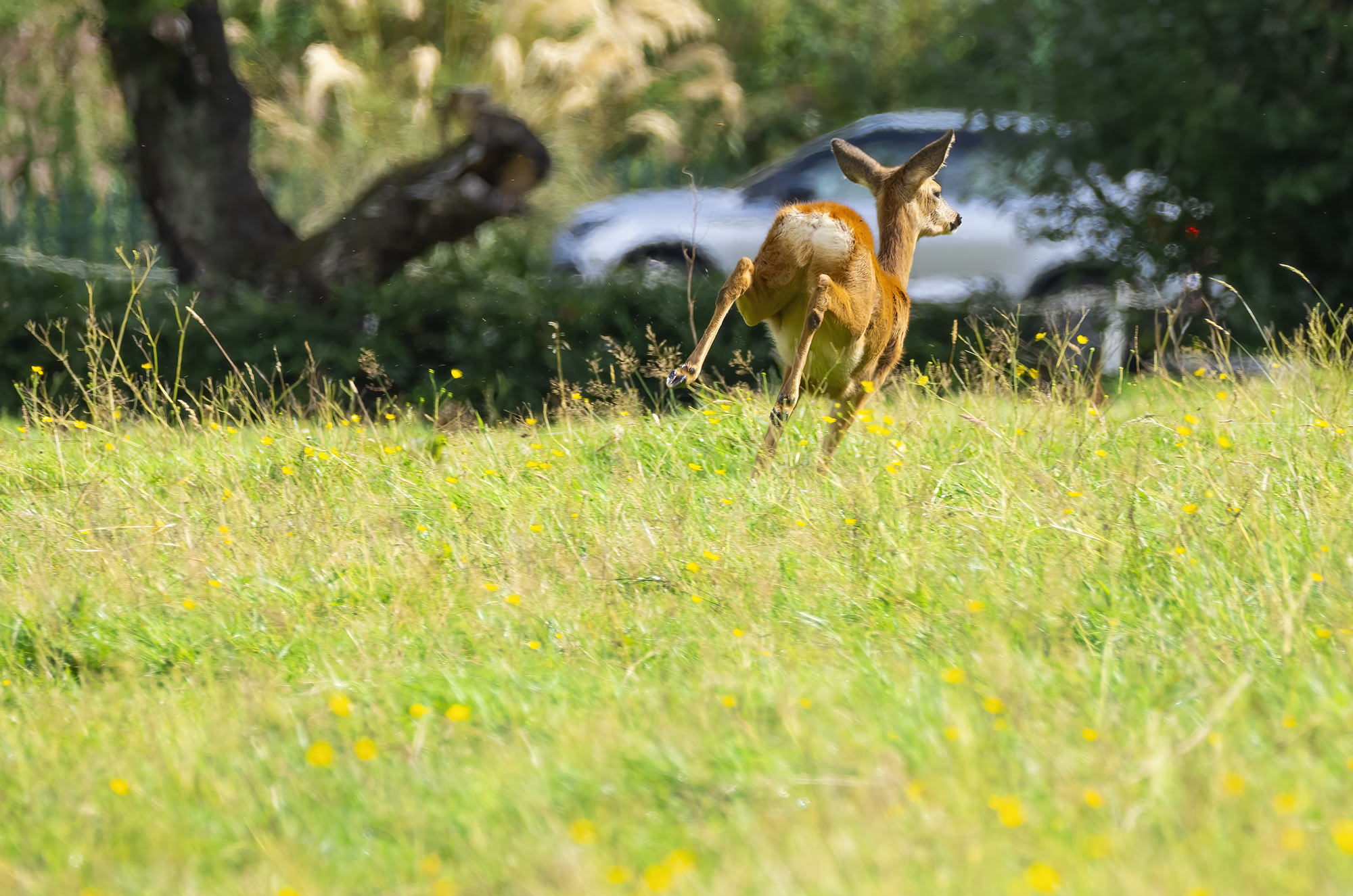
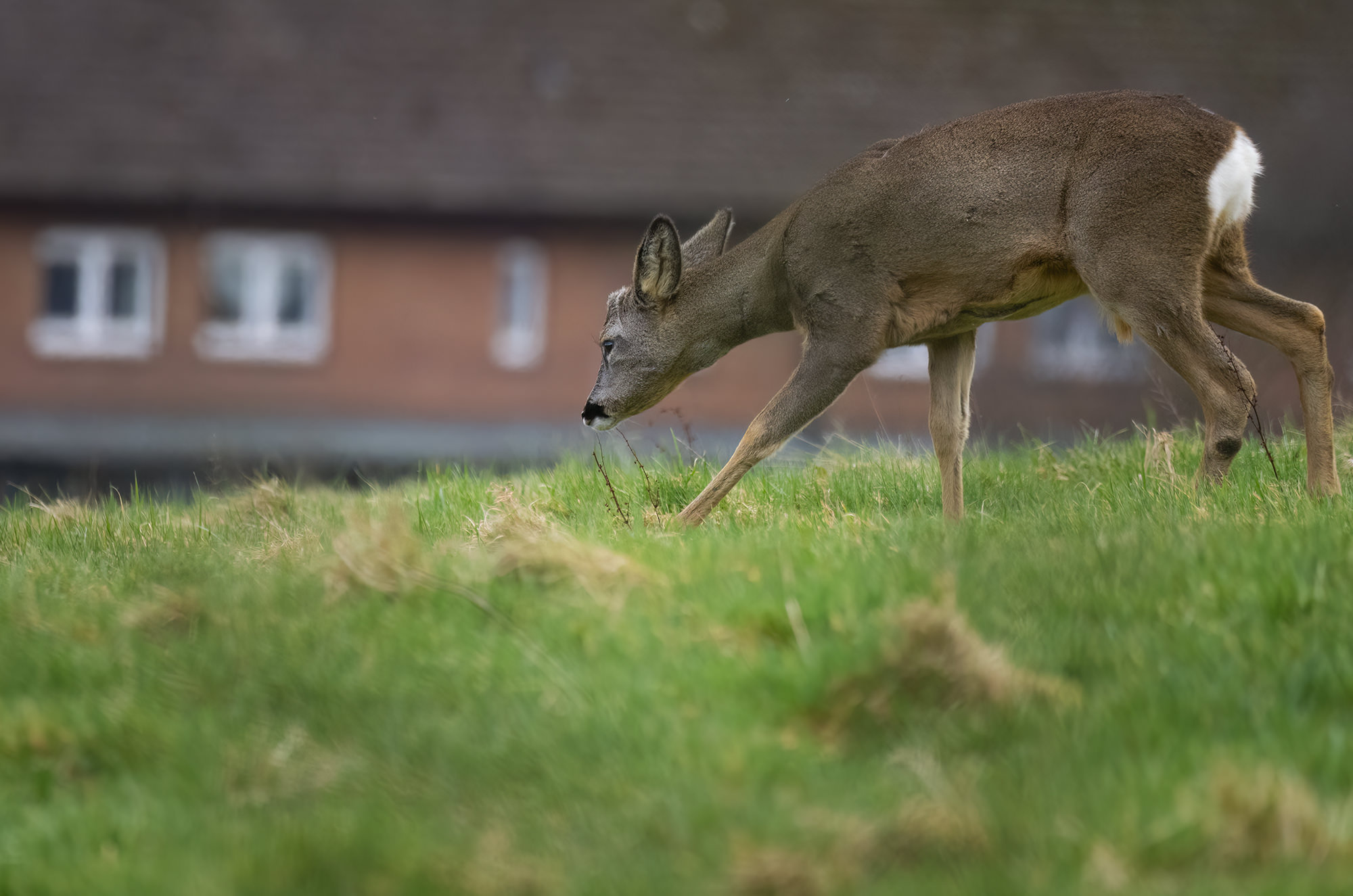
Focus on what I’ve achieved and look forward, rather than worrying about missed opportunities. This became clear when I pulled together the images for this blog. I was concerned with the images I’d had in mind during my roe deer project that I’ve so far failed to capture – in particular, images that demonstrate how close people get to roe deer without realising and the impacts of human activities on their world. However, when going through my archive, I realised I’d actually managed to capture some of these themes – even if not exactly how I’d originally envisaged. Only having an hour per weekday has impacted my ability to get the images I want, but it’s important to focus on how I use the time I have rather than on the lack of time available.
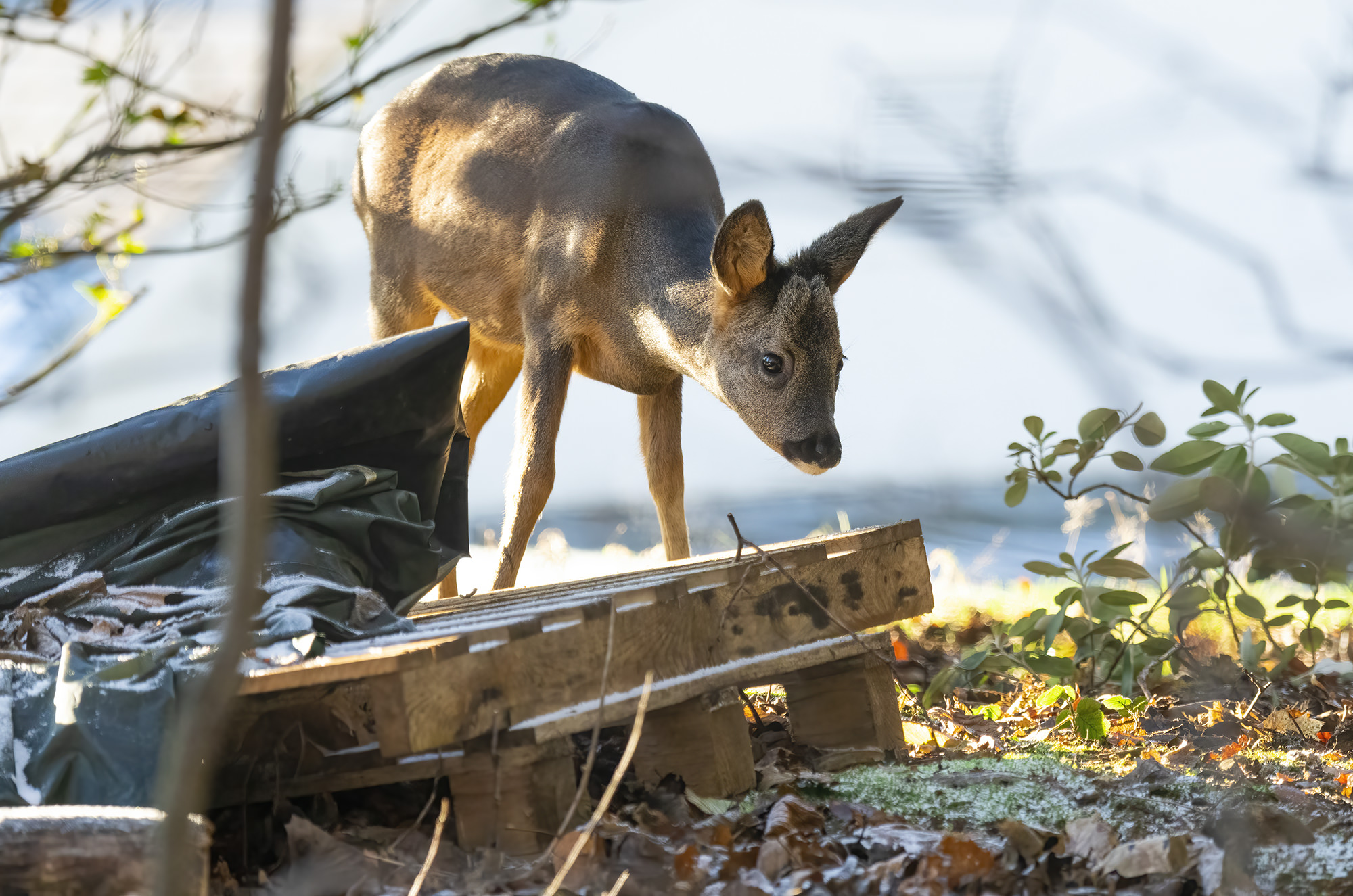
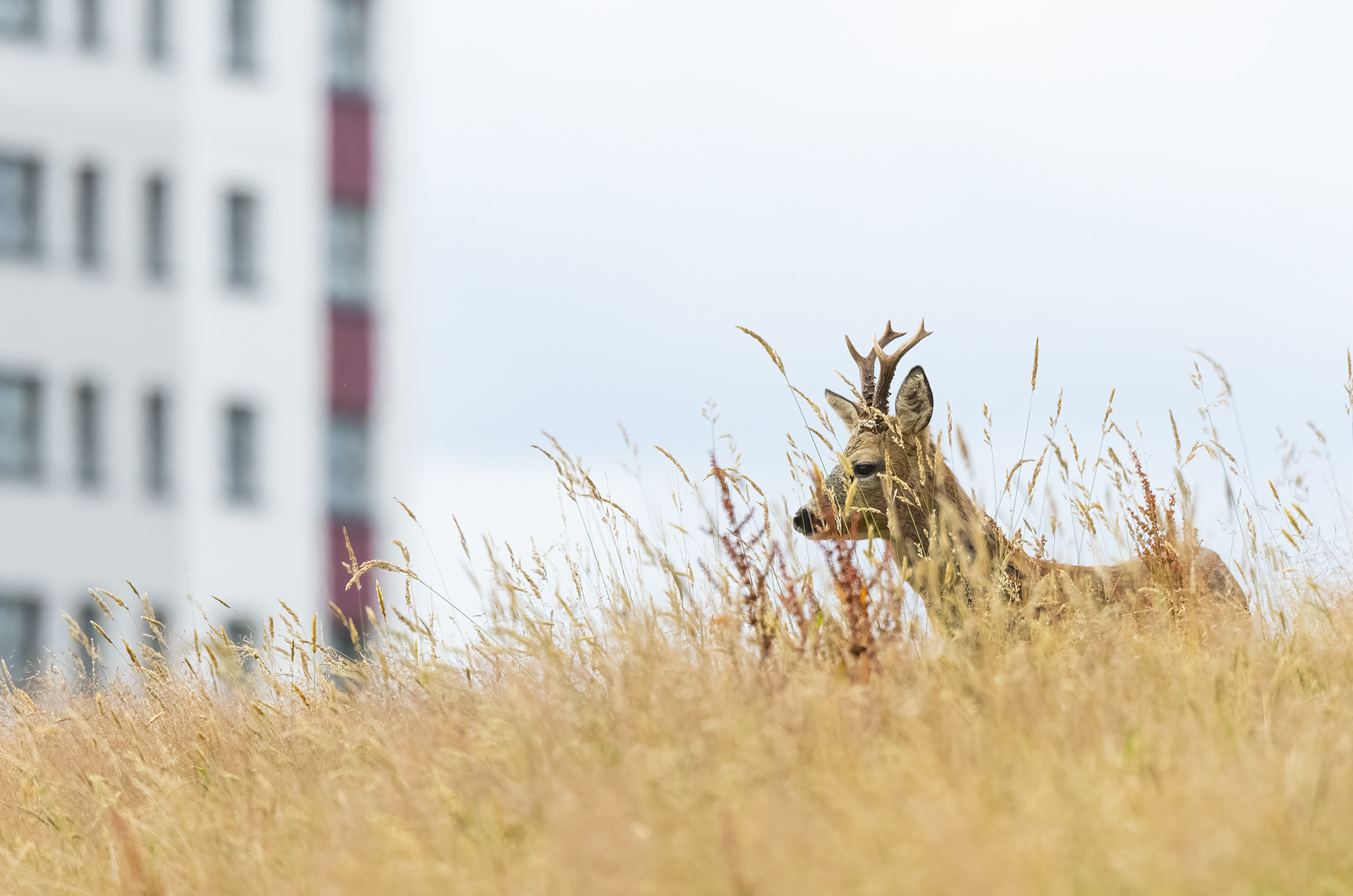
Capturing urban wildlife stories creates images with impact. I’m already passionate about documenting urban wildlife and making the link between humans and nature – these are the stories that encourage people to care.
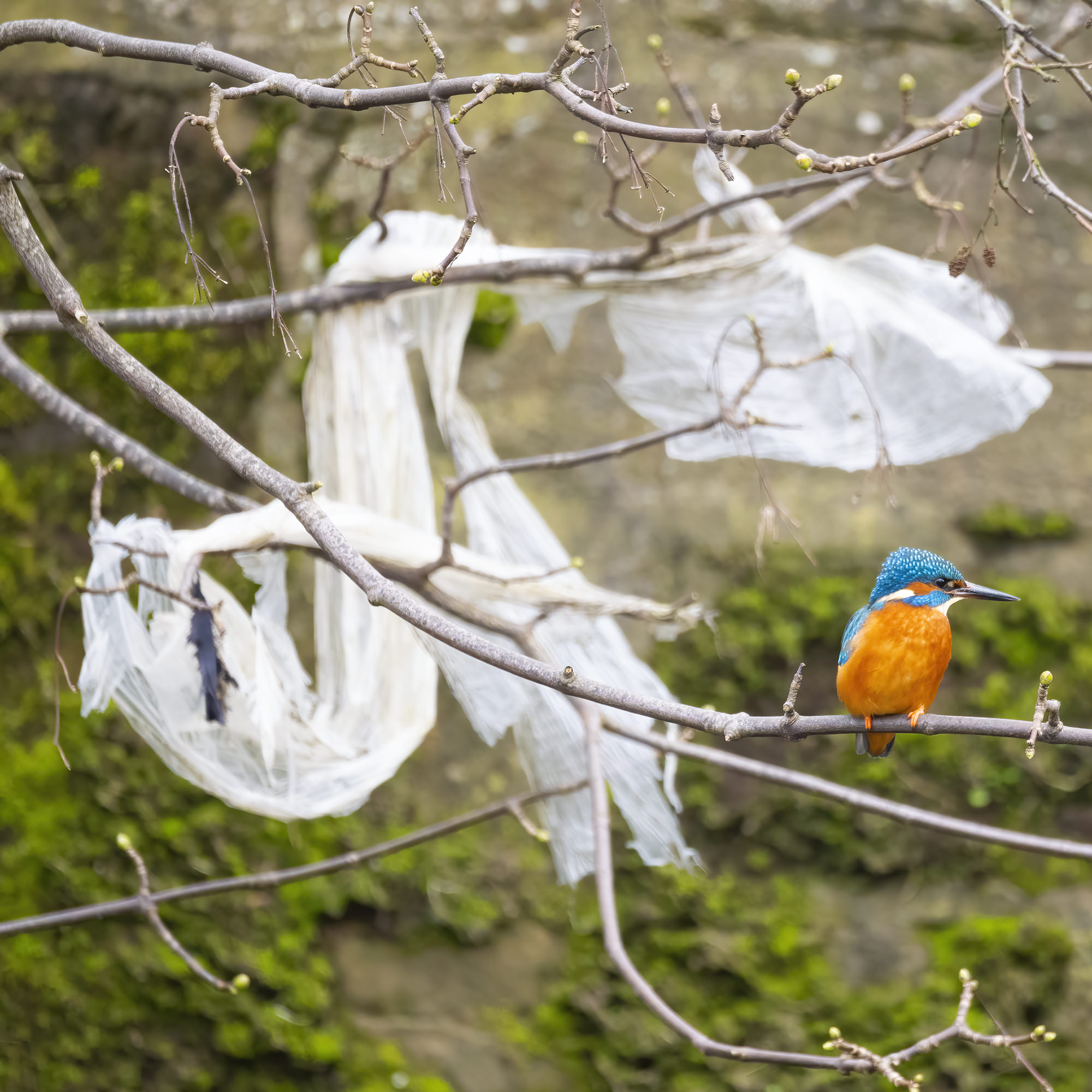
Detailed captions matter. I will continue to provide informative captions when I share my ‘pretty pictures’ on social media and, wherever possible, explain the plight of my subject so the viewer is aware.
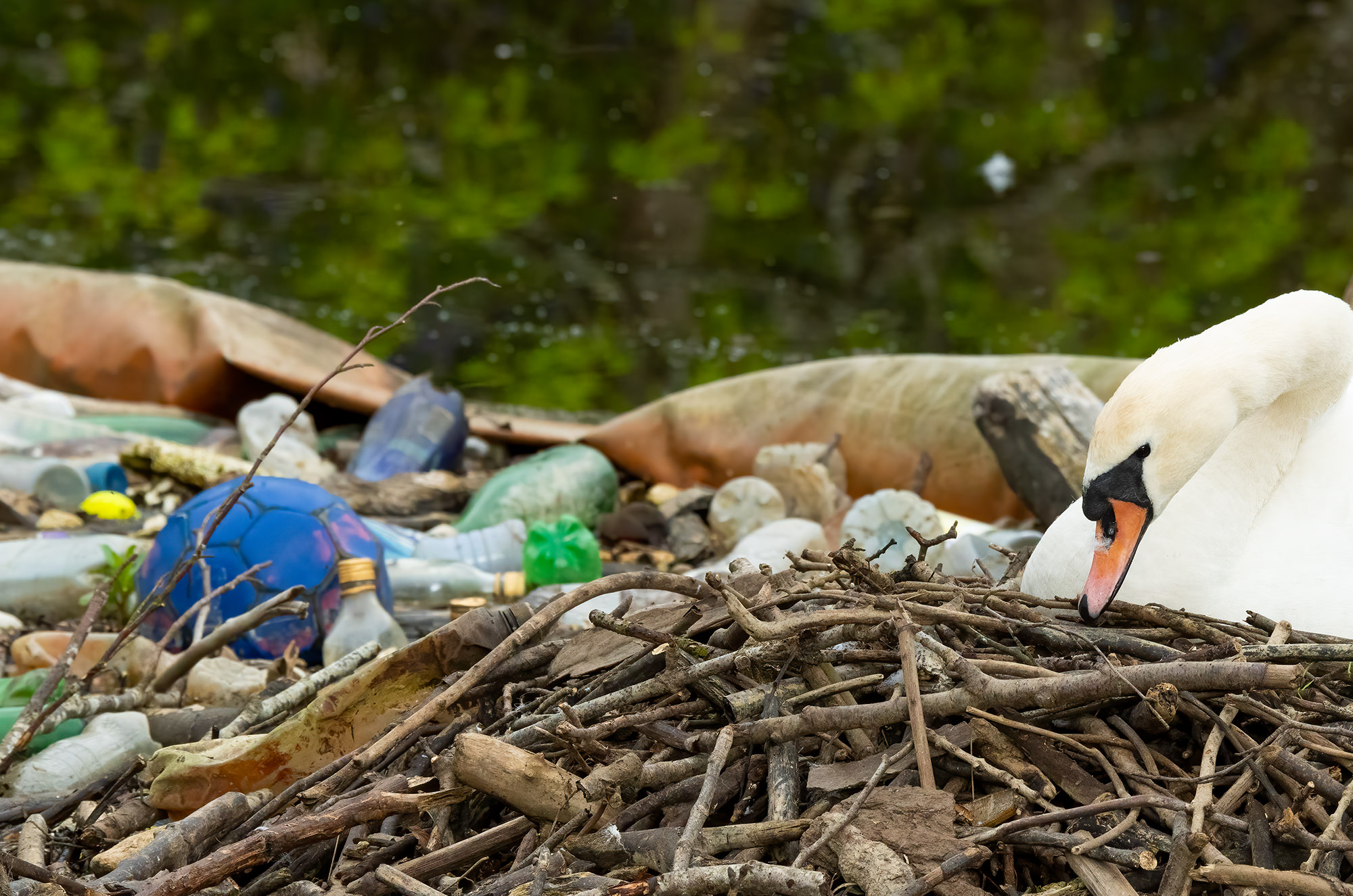
Finding hope
So, after becoming disheartened during the day’s presentations, I finished the WildPhotos conference full of hope – for the final months of my deer project, for focusing on new local wildlife subjects, and for conservation photography itself. It was Jasper Doest who noted during the panel session that conservation photography is also about creating hope for people. And as David Doubilet reminded us in his headliner talk at the end of the day, “the story is earth itself” – we just need to decide how we tell that story.