
Being a wildlife photographer in the UK in winter can often mean having damp feet, numb fingers, rapidly draining camera batteries and a constant fight to keep your gear (and yourself) dry. But, for me, this time of year – and the related weather conditions – provides unmissable opportunities to watch and photograph interesting behaviours exhibited by familiar species. While we’re struggling to keep warm, they are battling to survive the season.
Wet and wild
Spotting wildlife to photograph along our waterways can be easier in winter. The lack of vegetation on river banks and overhanging the water can make seeing iconic river species like dippers, kingfishers and otters more likely. However, it’s not just bare banks that cause wildlife to be more visible. Changes in water levels due to flooding can also cause animals to alter their behaviour or move out of their existing territories.
I had the privilege of filming and photographing an otter family living on the River Clyde on a few occasions during January last year. We visited the same stretch of river on consecutive days and over a couple of weekends, and we saw them every time. Our last encounter was a couple of days after Storm Eowyn hit Scotland. As a result, the water level was significantly higher than when we’d spent time watching the otter family only a couple of weeks earlier.
They were more active on this visit, and it seemed that the female was trying to acclimatise her cubs to the changes in their environment – encouraging them into the water and then back onto the bank. It would be understandable if she was concerned for the safety of her cubs. It looked like at least one of their holts in the river bank was completely underwater, and it’s not unusual for these homes to be destroyed by an extreme rise in water levels. And while otters are known for being incredibly strong swimmers, cubs can be vulnerable in strong currents and risk being separated from their mother.
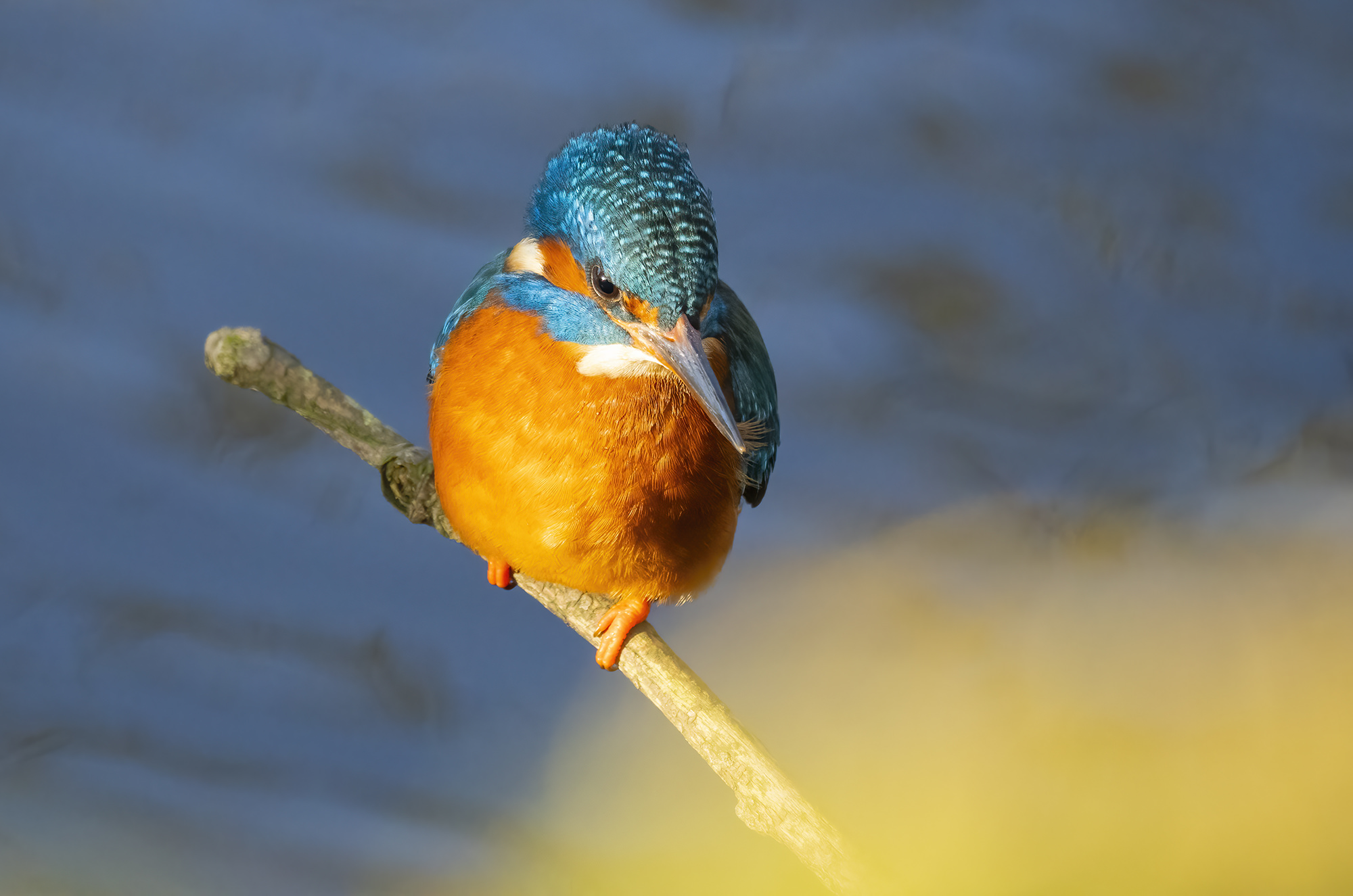
Another river dweller to look out for following storms and floods is the kingfisher. Milder winter weather can cause these birds to try to breed earlier than normal and then, when torrential rain arrives, their chosen nest sites in the river banks can become waterlogged or even collapse, causing them to abandon their efforts. Flooding can also make it difficult for kingfishers to hunt, as their prey can be harder to see when the water becomes clouded with mud, and many fish will disperse in fast-flowing water. As a result, individuals can be forced to move to find new territories and may come into conflict with other kingfishers.
These behaviours are worth documenting, particularly if you are keen to highlight the impacts of climate change on the wildlife in your local area.
Fade to grey
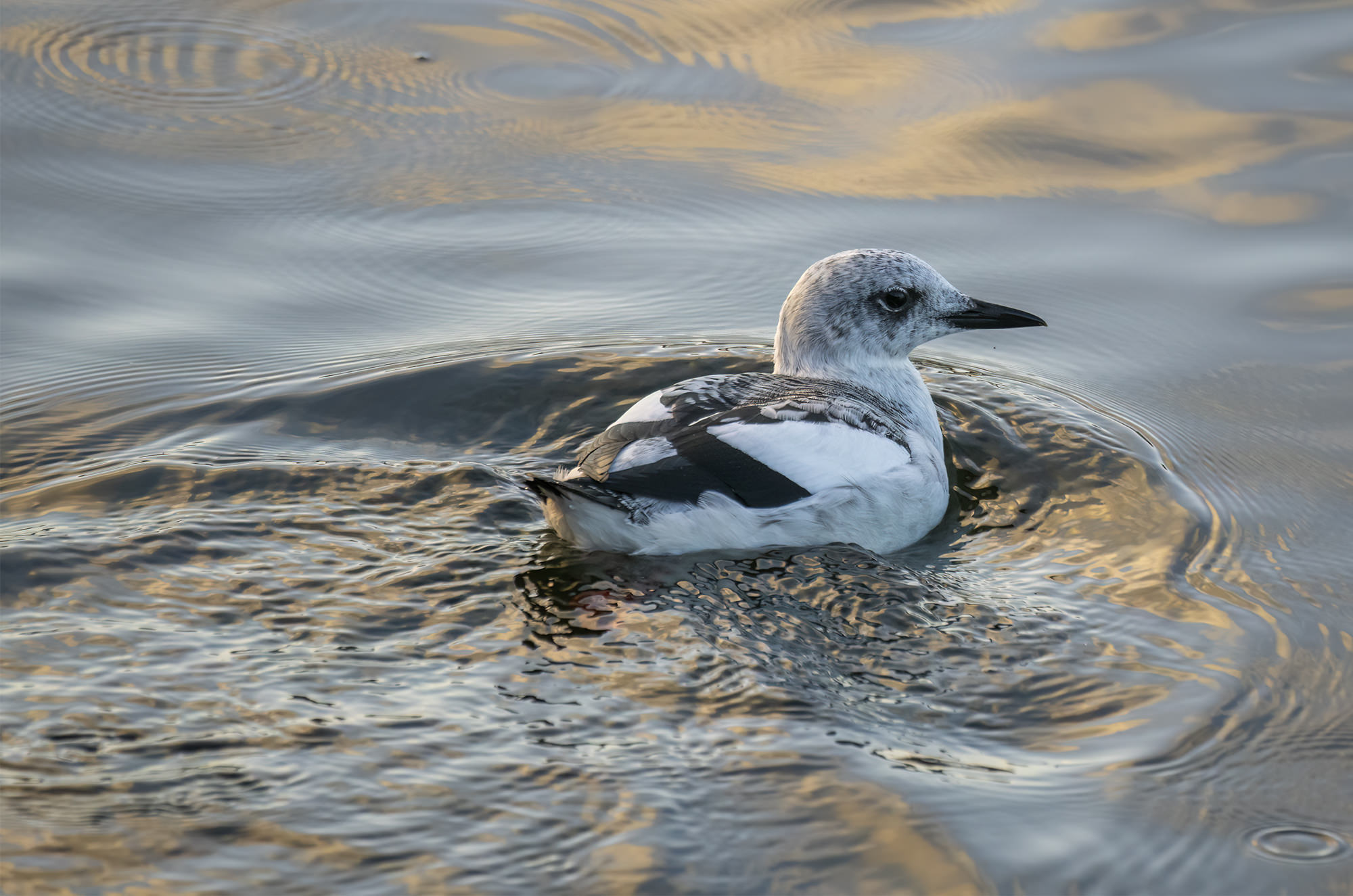
Visiting the coast during the winter can be a bleak affair, but there is one character that always brightens the darkest day for me – the black guillemot. However, they do look quite different at this time of year. In winter, while their distinctive white wing patch is still visible, the rest of their plumage changes to a mix of grey and white, with the only black being their wingtips and tail. Their red legs and gape remain.
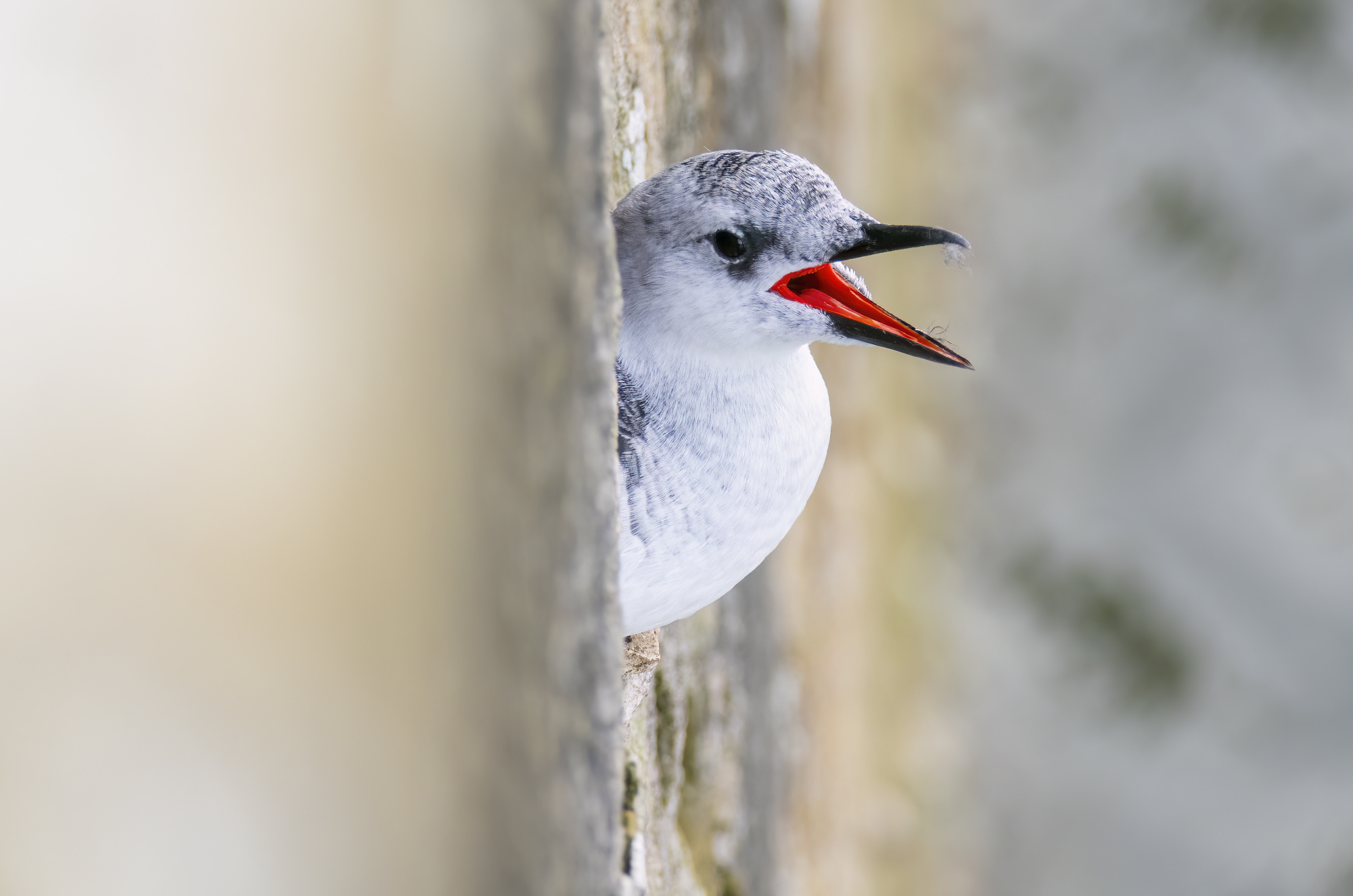
How they look may change during the colder months but, unlike other members of the auk family that head out to sea, black guillemots remain close to their breeding sites throughout the year. So, once you’ve found a reliable location, you have a good chance of watching them along that stretch of coastline during the winter too.
A deer test
If you spend any time watching roe deer in winter, you will quickly spot the physiological and behavioural adaptations they make to overcome the challenges of the season.
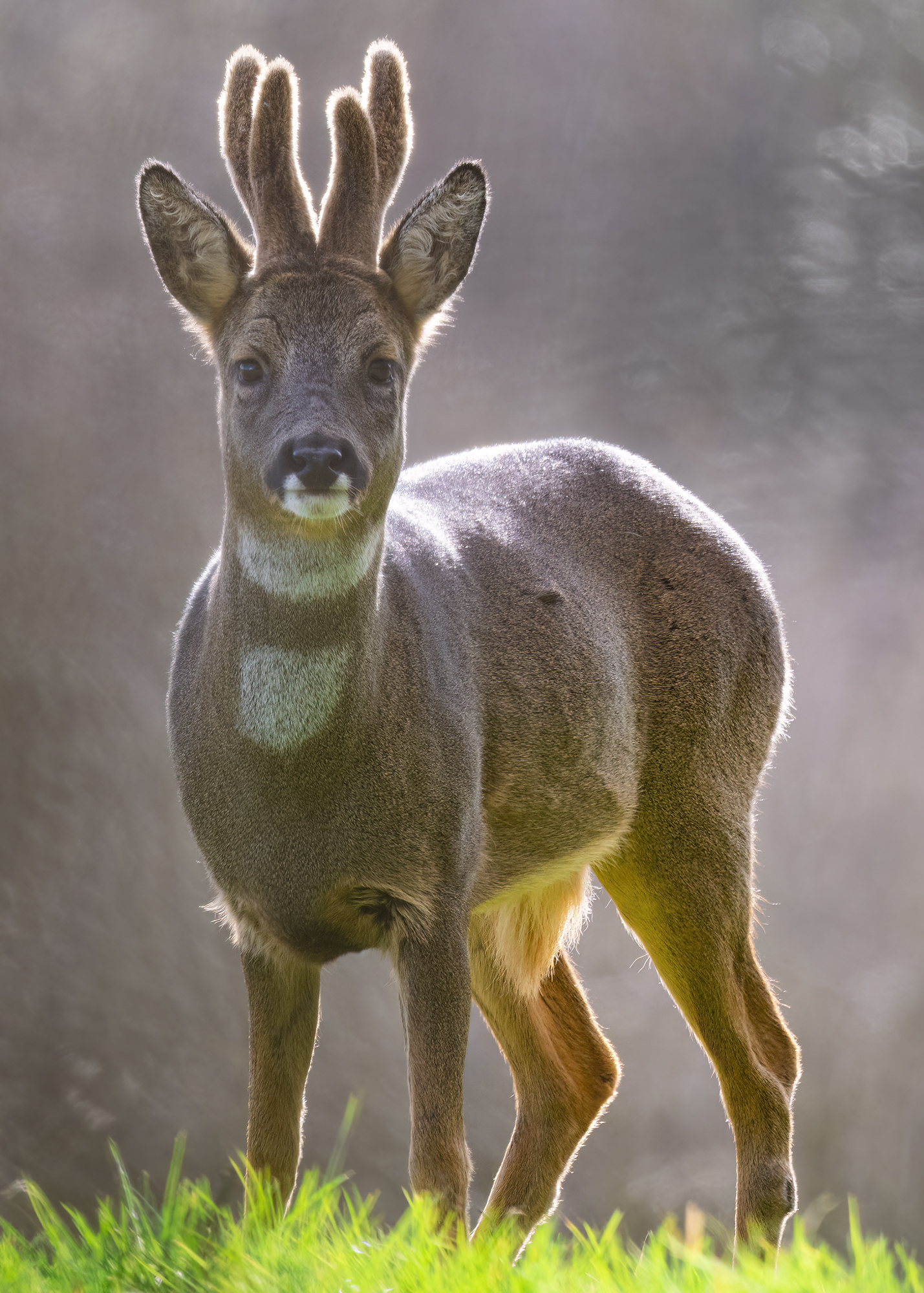
The most obvious change to look out for is the development of their insulating winter coat. A roe deer’s winter coat is around 30 mm thick, in comparison to their summer coat, which is normally around 10 mm thick. Older bucks will also have impressive antlers covered in thick, fuzzy velvet. After casting their antlers towards the end of the year, they grow back over a period of months – around January to March. When the antlers are fully grown and the velvet has been completely rubbed off, they are described as clean.
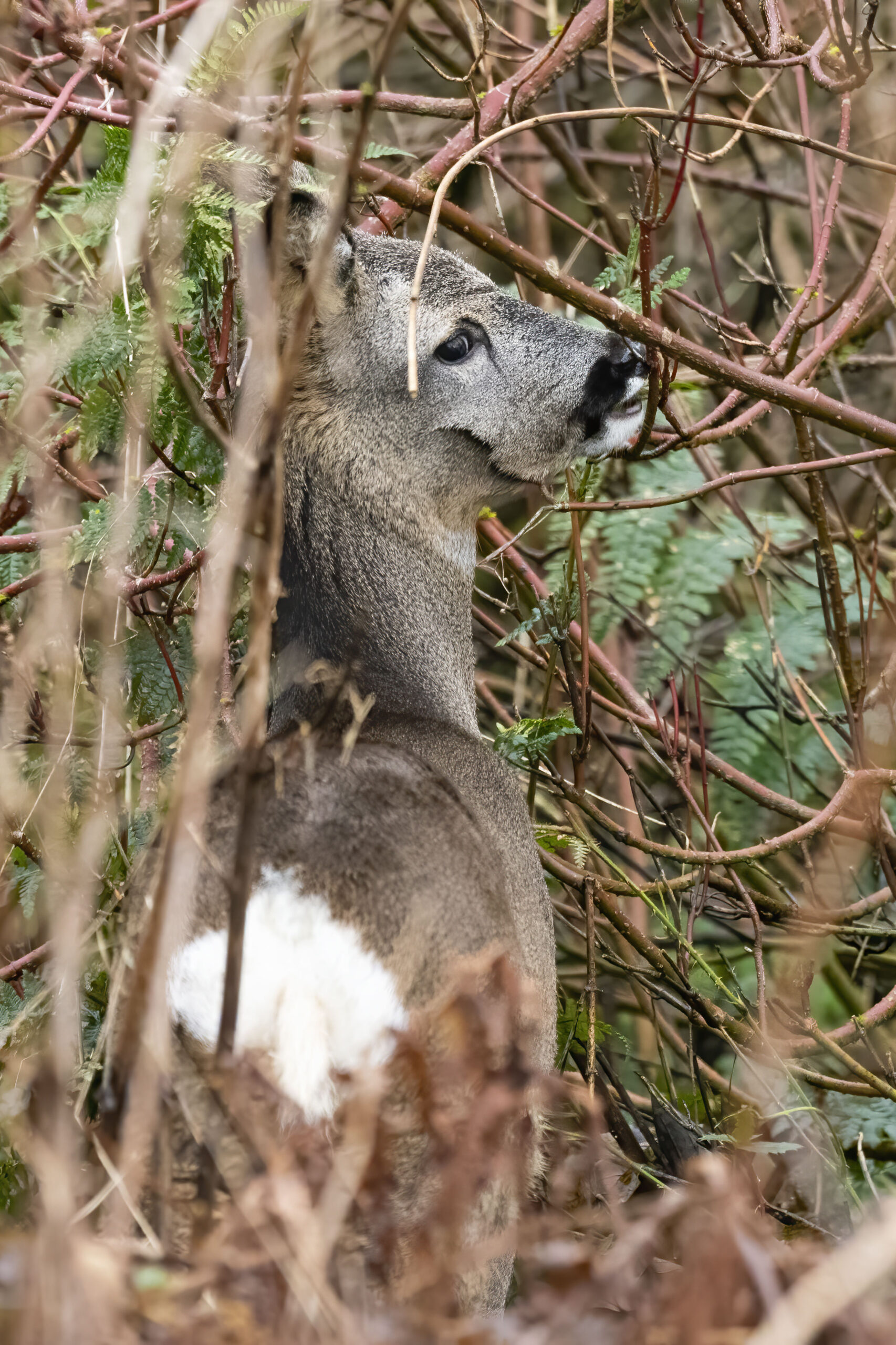
While their winter coat provides effective thermal insulation, roe deer don’t have a lot of body fat and need to conserve any reserves they’ve built up during summer and autumn. The food available to them is also more fibrous and of lower nutritional value. This means they need to feed more often and will also become less active in an effort to avoid wasting energy. Winter is therefore an ideal time to spot them feeding and resting, with less vegetation to hide them from view. Look for them exploiting bramble, ivy and hedgerow shrubs in the area. However, as with all wildlife, it is vital not to disturb them, to ensure they are able to eat and rest enough.
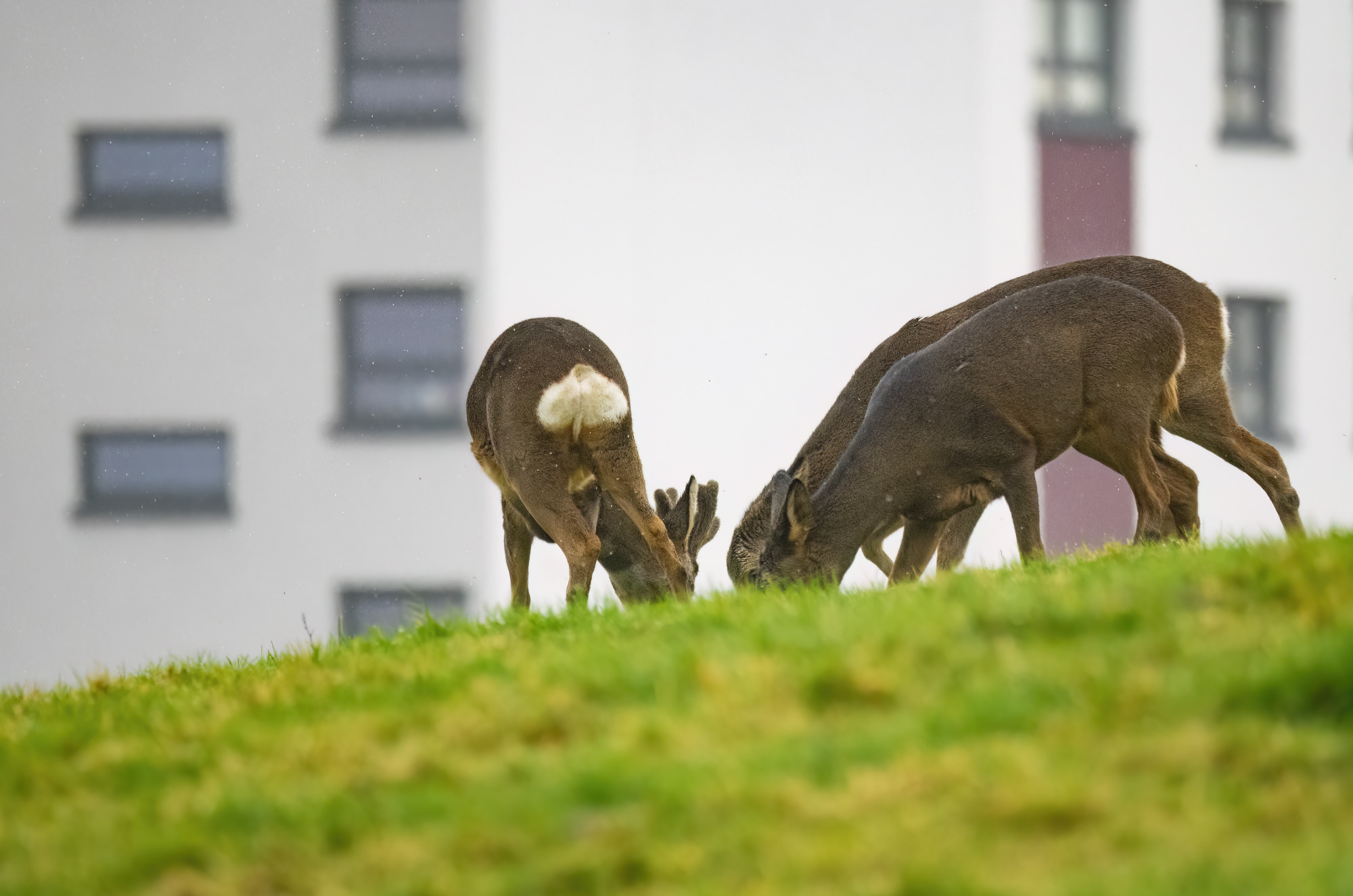
At this time of year, also look for roe deer moving around in loose herds, often led by the females and their young, with males sometimes also in the vicinity.
Fox trot
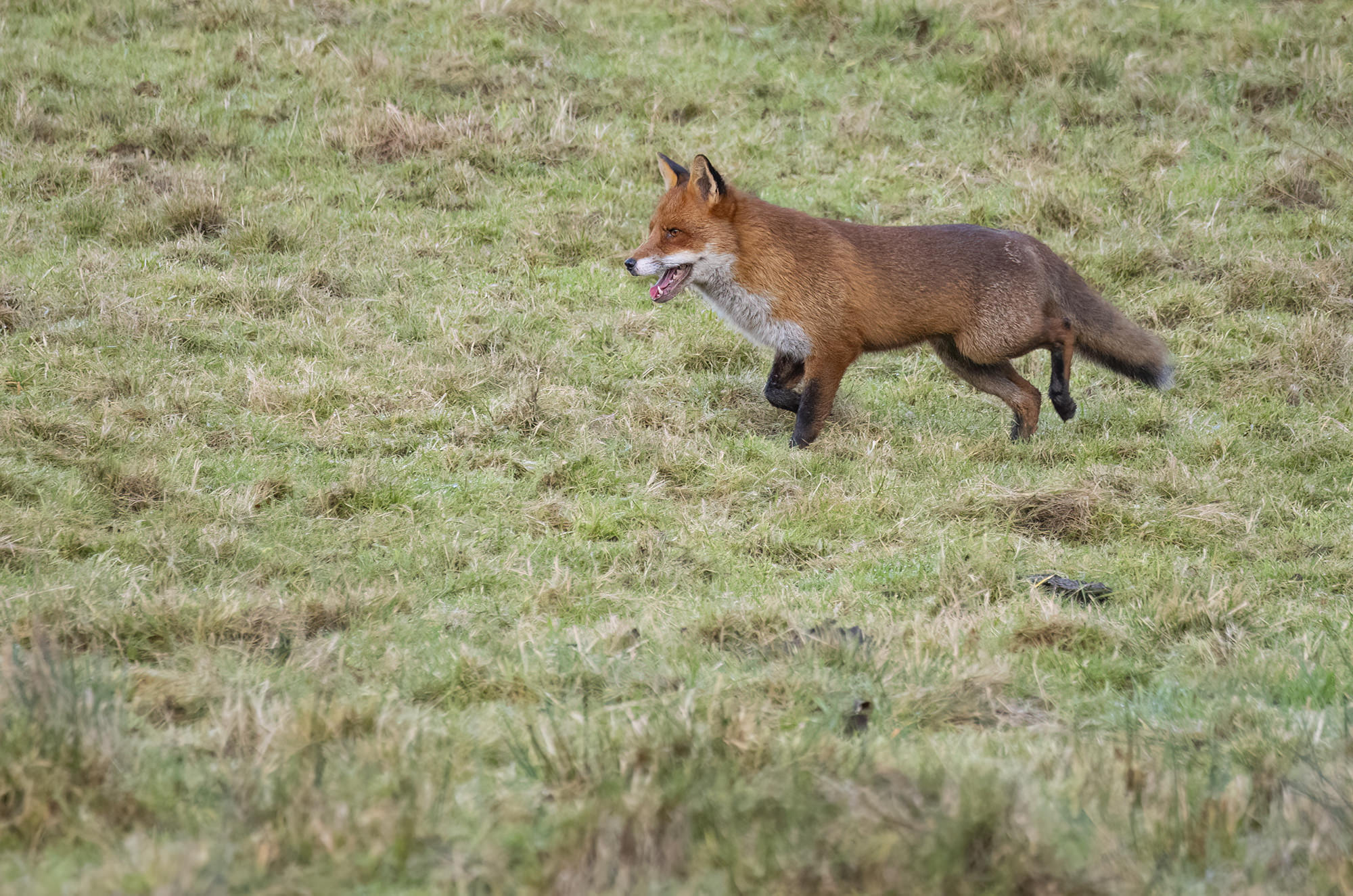
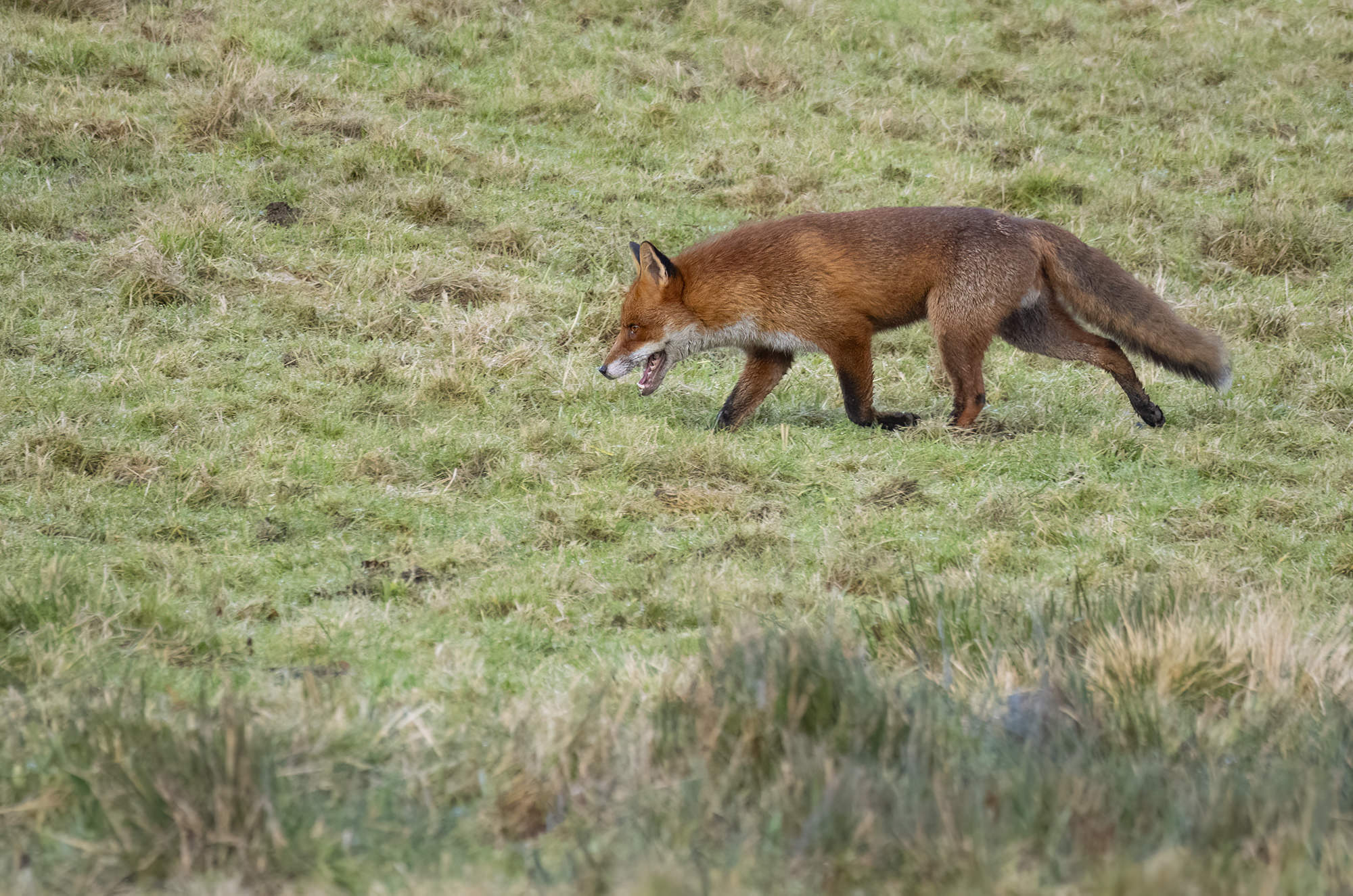
Winter is an interesting time to watch urban foxes, as you’re much more likely to see them out and about when their level of activity increases – something that is particularly noticeable during the day. They not only step up their foraging activities in the hunt for reliable food sources to sustain them, but during January, in particular, males can be spotted roaming their territories in search of receptive females to mate with.
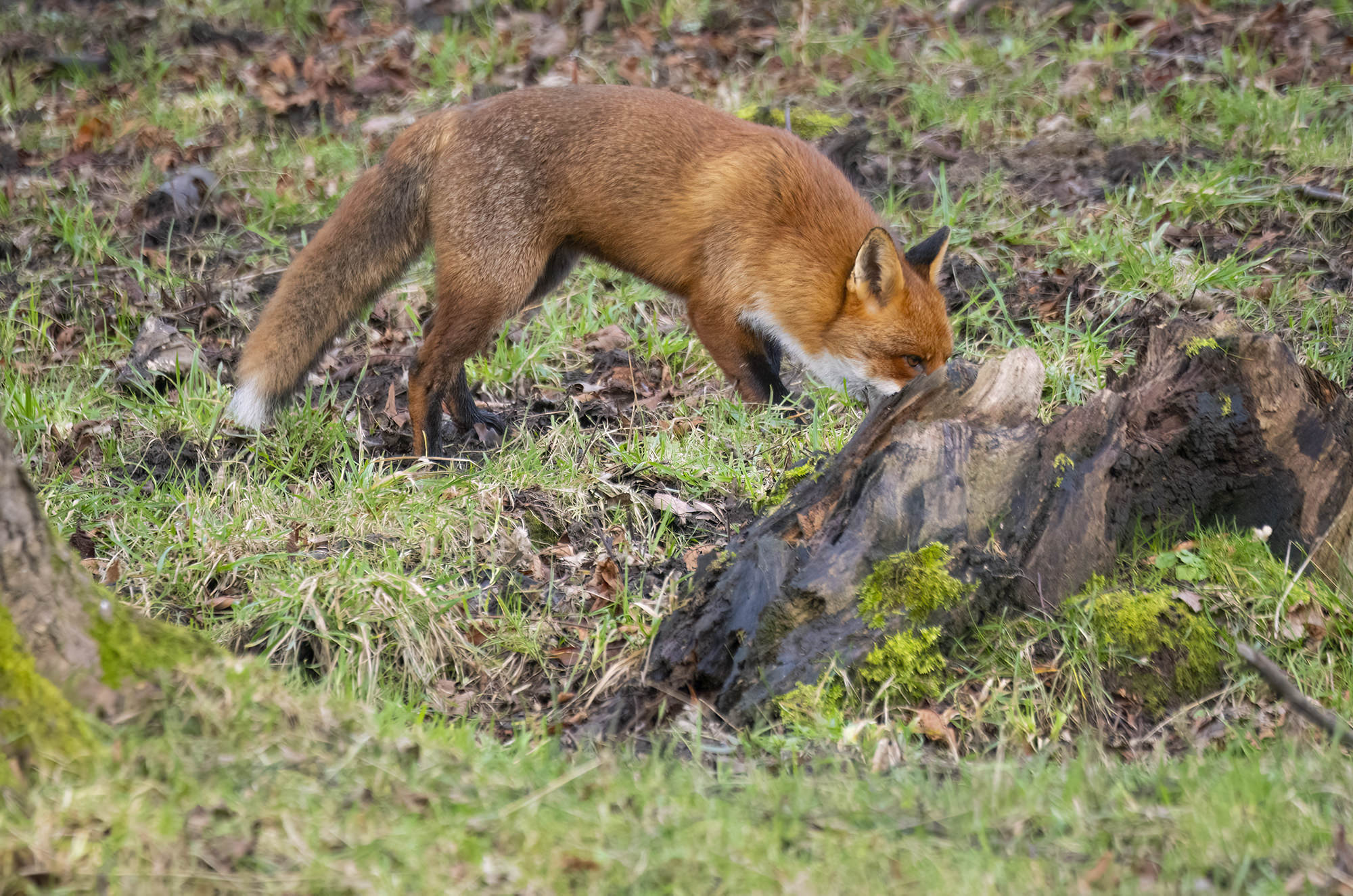
While I’d witnessed some of this more active foraging behaviour during daylight hours on walks in my local area during winter, I hadn’t seen this particular behaviour from a male fox until the other day. A local male trotted across fields and through woodland, almost constantly barking, clearly searching for a mate. While I captured images of its travels, I didn’t shoot any footage of the racket it was making, but it sounded a lot like the calls in the video below.
This behaviour provides an ideal opportunity to photograph foxes on the move. The male was aware I was nearby, but he was so focussed on the scent of the female that he remained relaxed and allowed me to watch him without changing his behaviour.
Winter can be a challenging time to be outdoors with a camera, but it’s also one of the most rewarding seasons for observing wildlife behaviour. From flooded rivers to quiet stretches of coastline and frost-covered fields, familiar species reveal a different side of their lives as they adapt to the conditions. All of these images were taken close to home and serve as a reminder that you don’t need to travel far to experience some of the most compelling wildlife moments of the year.