
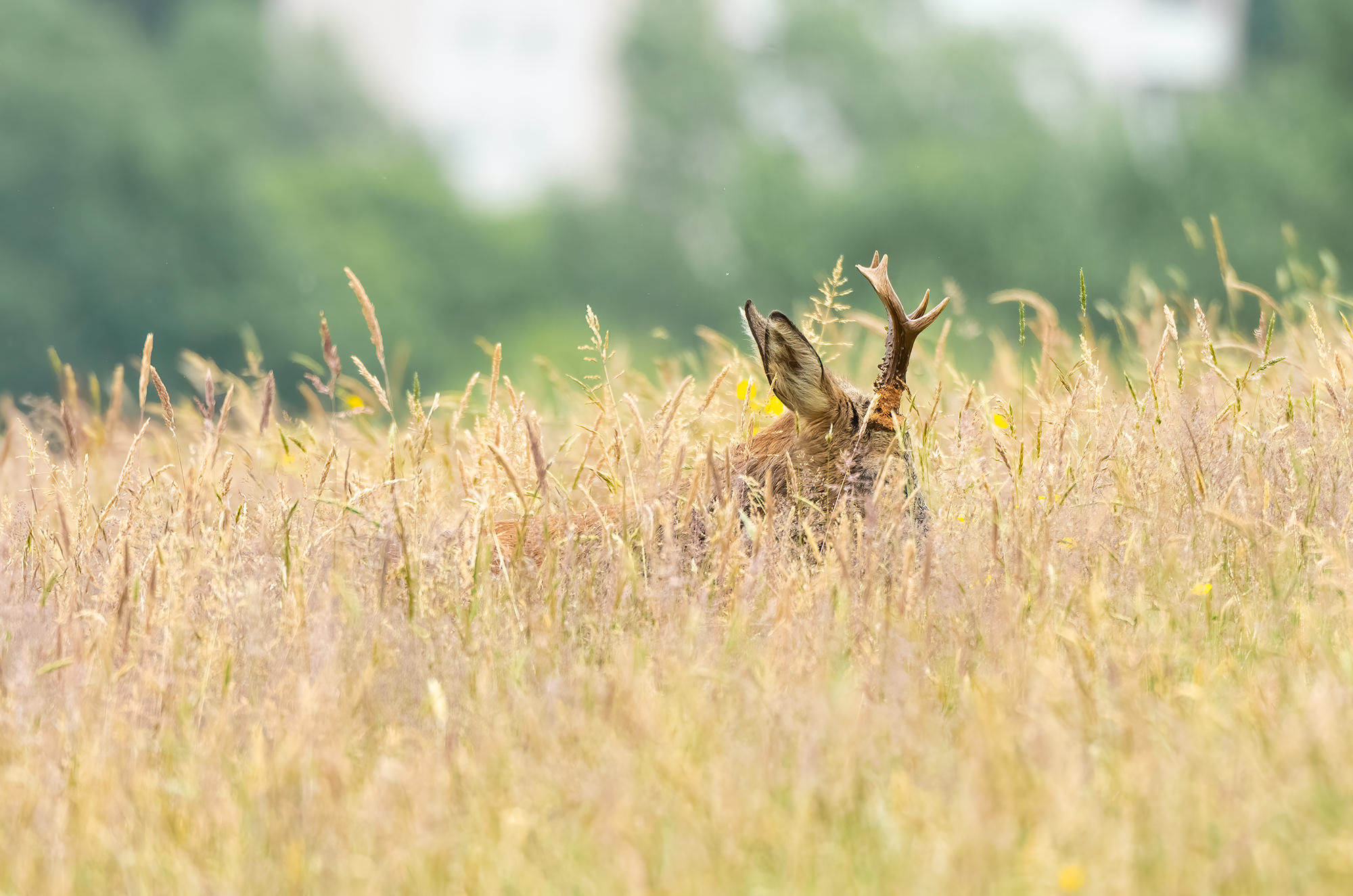
There are some wildlife photography projects that begin with months of planning. Mine began with a lunch break.
Back in early 2022, I’d recently discovered that a relatively small area of land within a short stroll from my flat was home to roe deer. After countless daily walks through small local parks, this new spot quickly became my favourite place to spend an hour away from my laptop.
The first time I saw the deer there, the low winter sun was clinging stubbornly to the field beside the woodland. A doe and her two kids were grazing quietly while iron-grey clouds rolled steadily towards them.
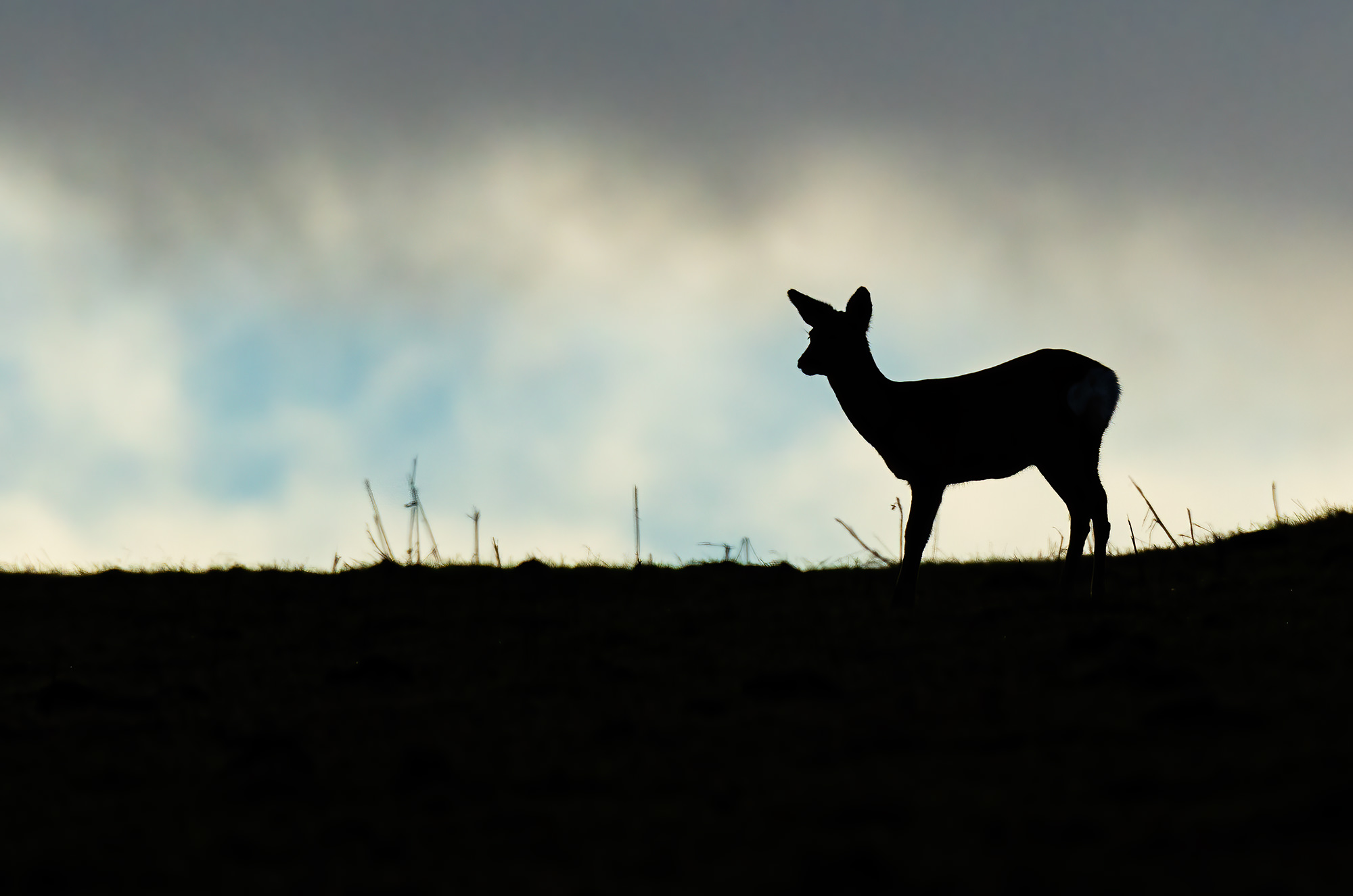
After around fifteen minutes, the light began to fade and the youngsters started walking along the brow of the hill. I realised I had just a few seconds before both the deer and the sunlight disappeared. Fortunately, I managed to capture a couple of silhouettes before the clouds swallowed the sun completely. The roe deer continued their journey towards the brighter side of the hill, while I headed home rather pleased with myself. When I captured those first images in January 2022, I assumed I’d struggle to see the little family again.
Over the following weeks I found myself returning whenever I could, fuelled by hope. Sometimes I saw nothing at all. Other days the deer remained hidden, but nature rewarded me in different ways. Every lunch break became an opportunity to notice something I hadn’t seen before. I had absolutely no idea that those lunchtime walks would become part of my routine for the next four years.
Three familiar faces
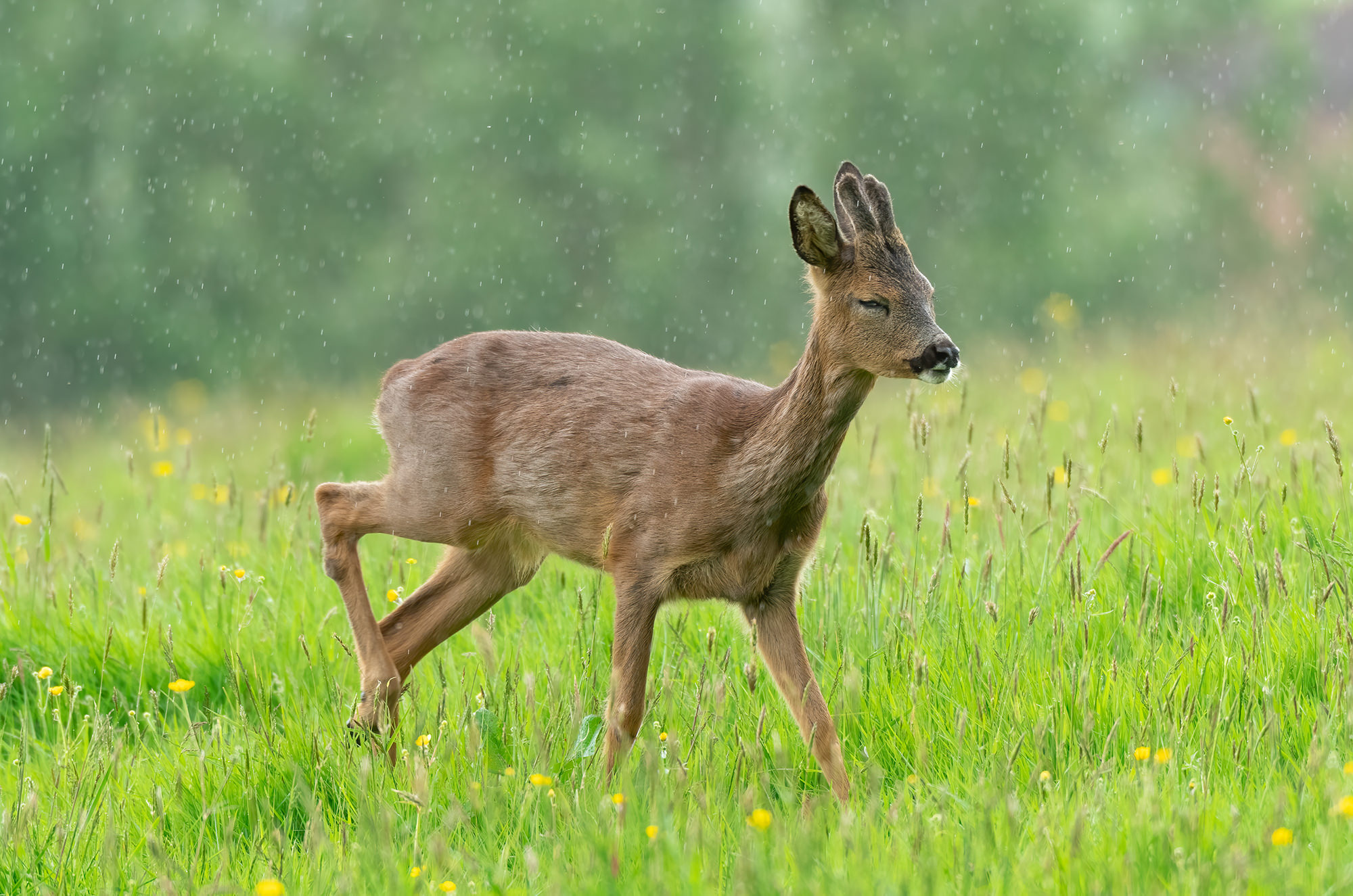
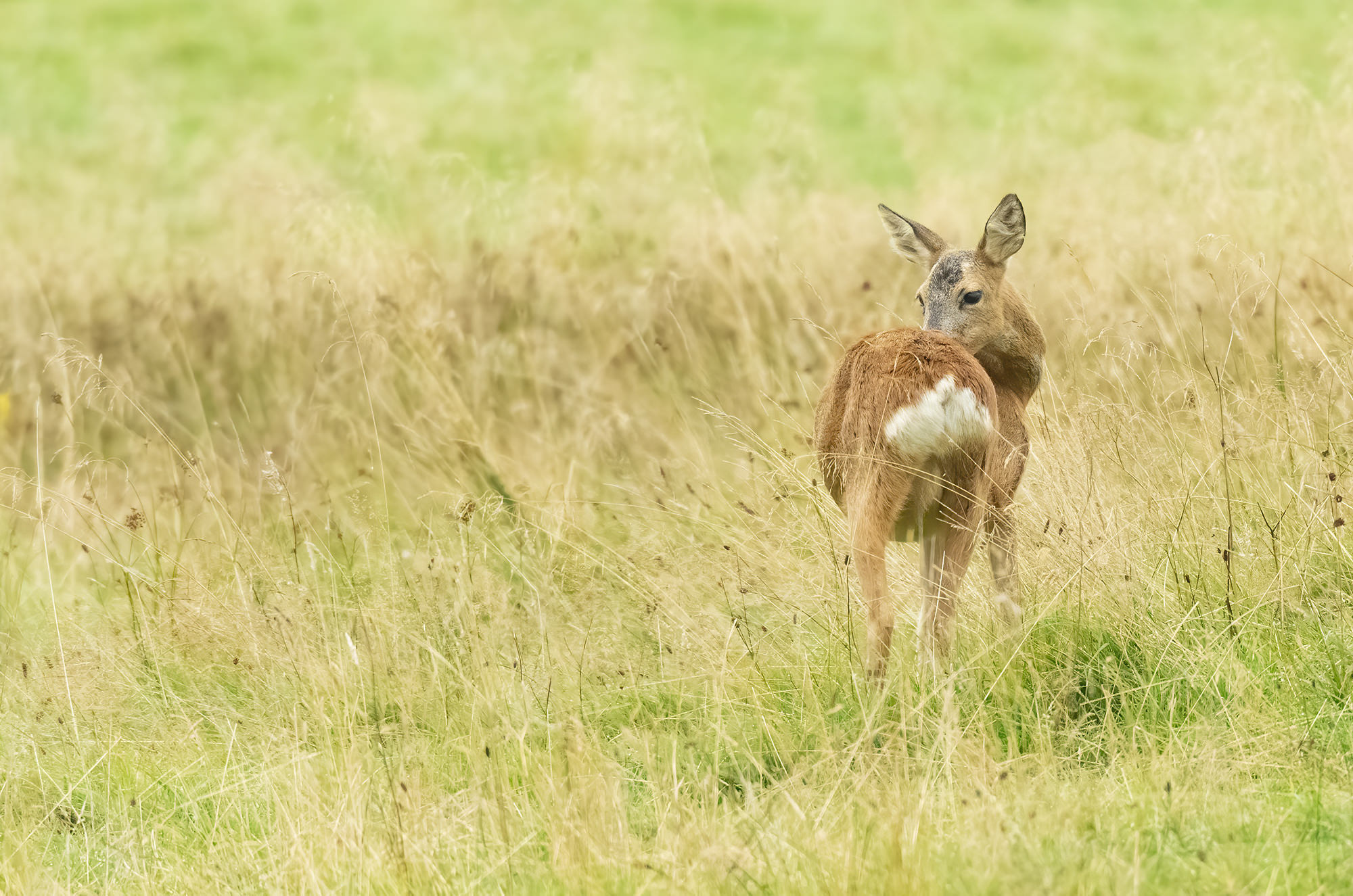
Then, on a warm, showery day in May, what I had hoped for stepped quietly into view. A young buck. He was the first deer to allow me to spend time in his company. Later came the dominant buck, and then the doe I’d first photographed with her youngsters. It wasn’t long before these three deer began appearing regularly enough for me to recognise them.
The bucks: Hellboy and Quint.
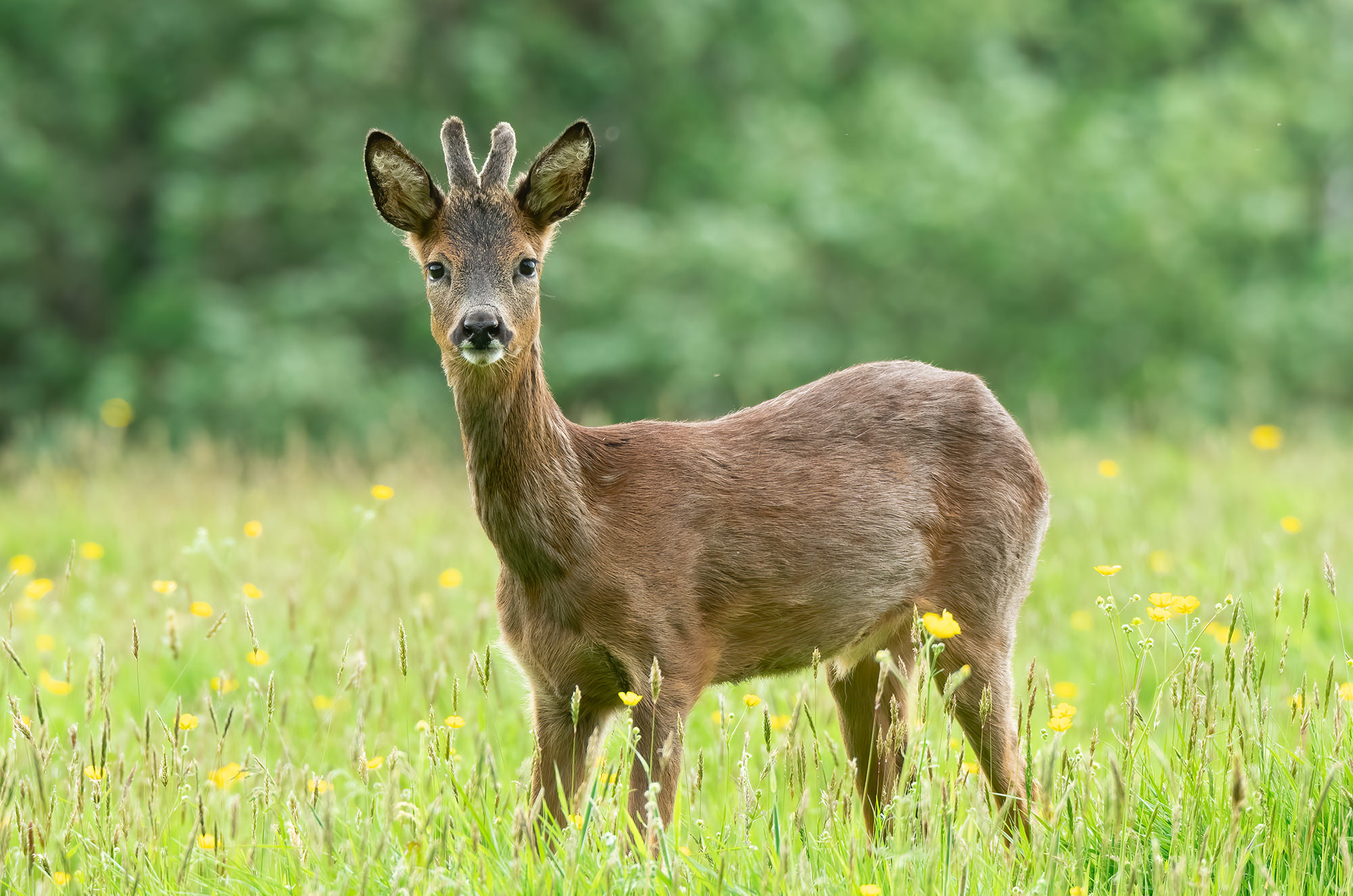
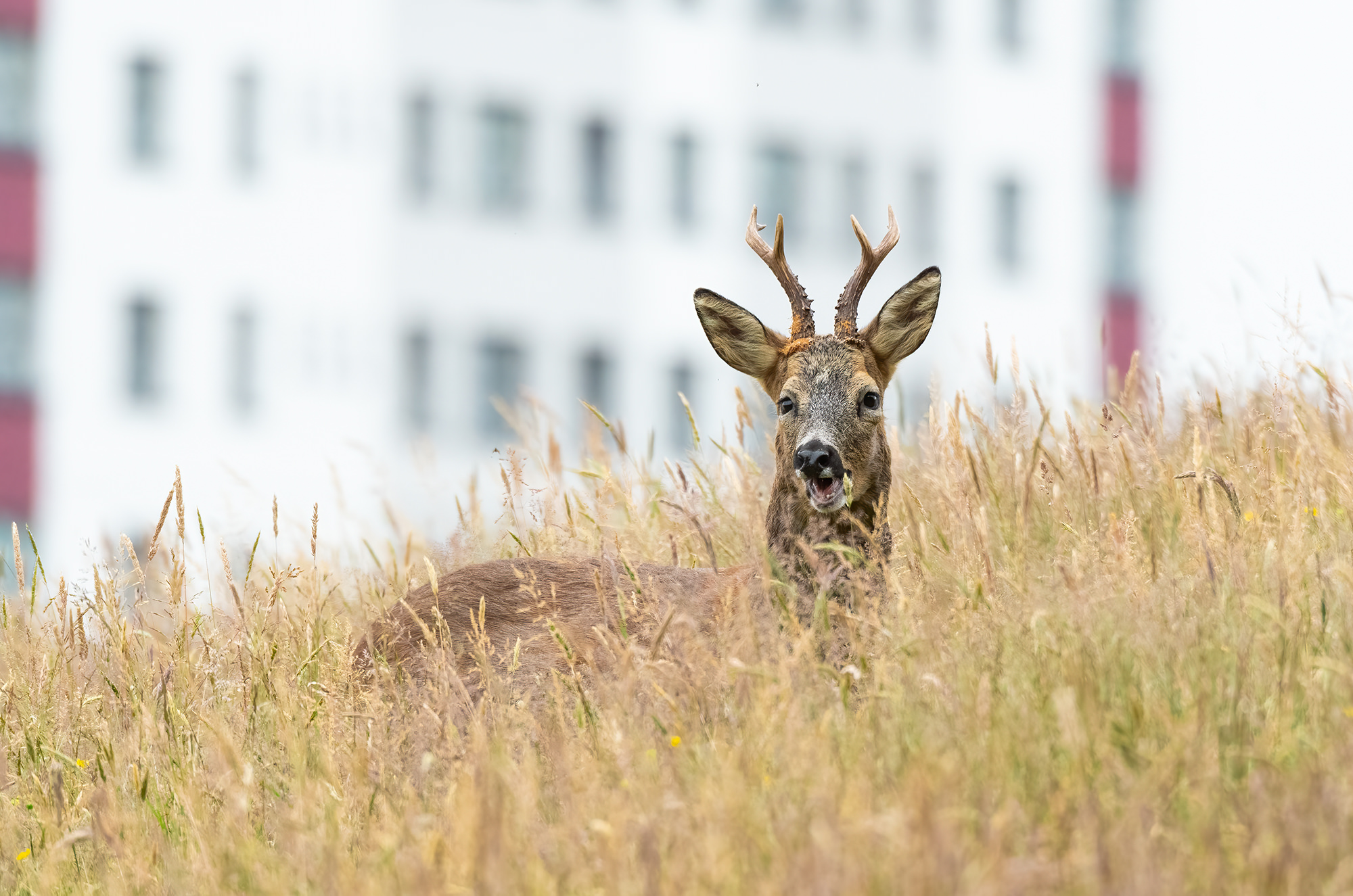
The doe: Blue.
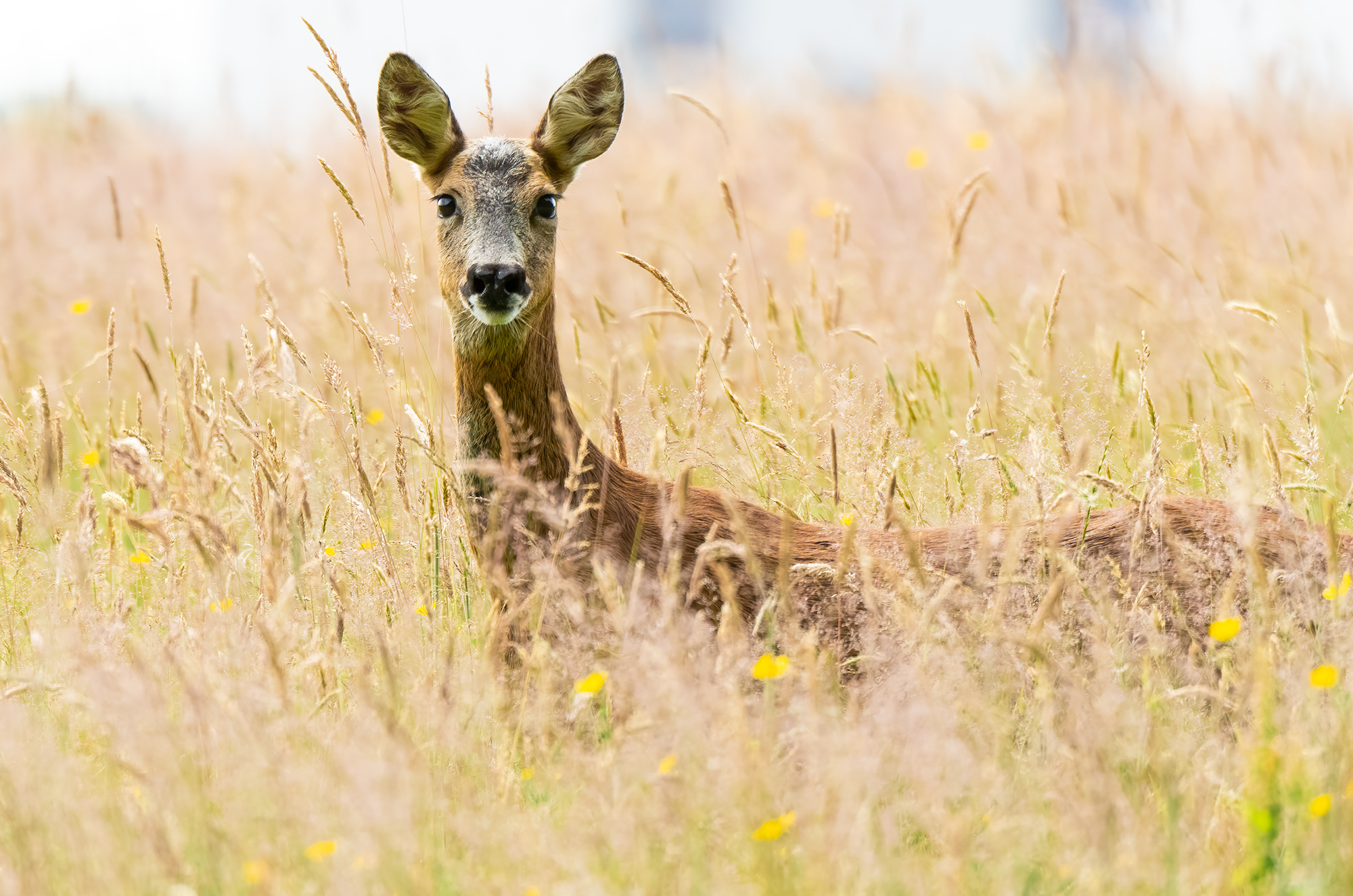
They were the first roe deer that stopped being simply roe deer and became individuals. Each reacted differently to my presence. Each had their own personality. Each taught me something different about patience, observation and respect.
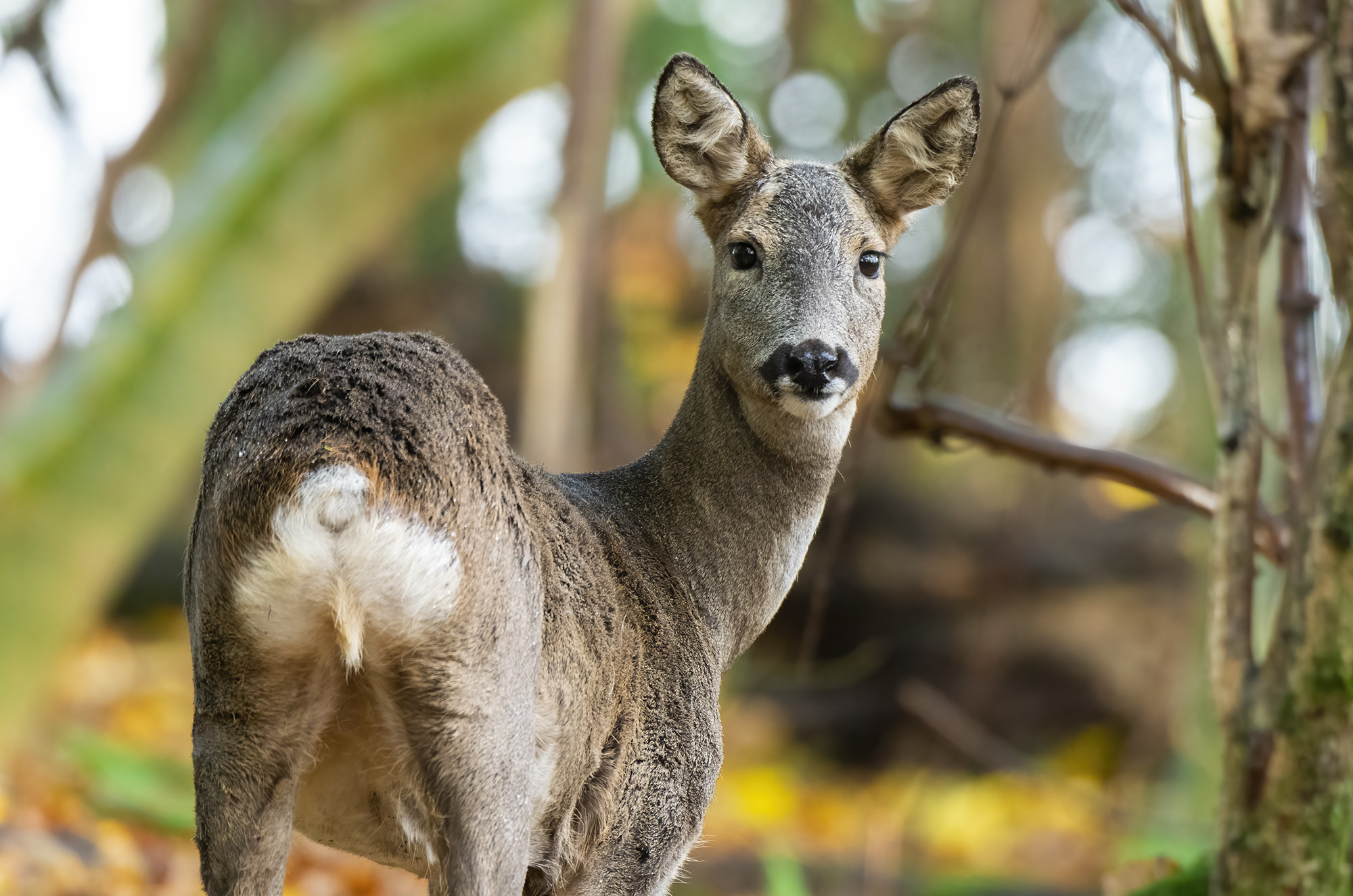
I’ll never forget the first time I realised Quint recognised me before he could even see me properly. I spotted him in the woodland and watched him stiffen, ready to disappear at the slightest hint of danger. Rather than moving any closer, I quietly greeted him using the same familiar phrases I’d spoken during previous encounters. Almost immediately his posture softened. He lowered his head and returned to browsing.
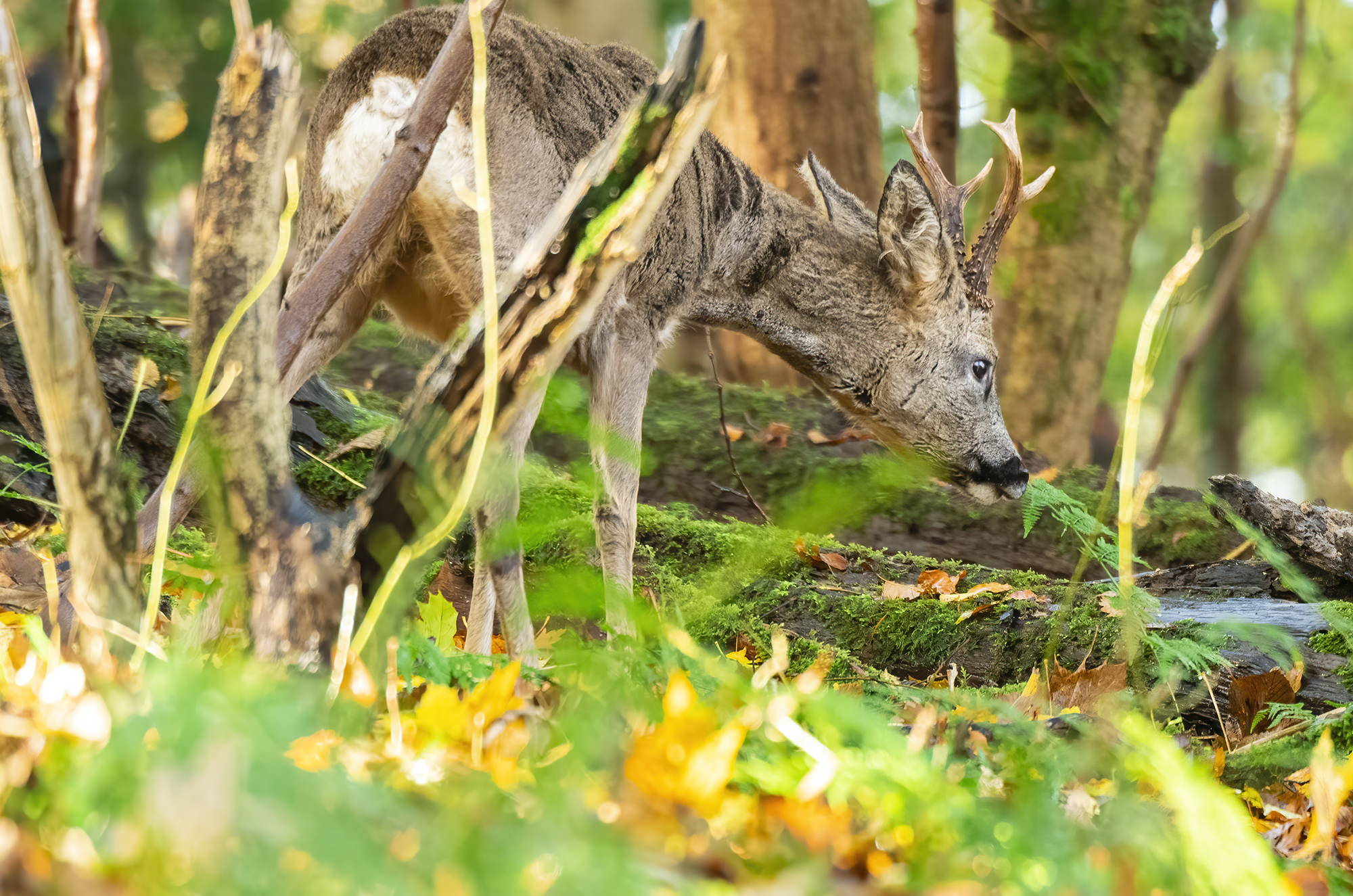
Roe deer don’t have the pin-sharp eyesight many people imagine. They rely far more on movement than fine detail, while their hearing is exceptional. Whether Quint recognised my voice itself, maybe combined with my scent, or simply learned that its familiar sound wasn’t a threat, I’ll never know. What mattered was watching him relax enough to carry on with his day. Moments like that felt like an enormous privilege.
More than photographs
Looking back, I think Hellboy, Quint and Blue gave me something much more valuable than photographs. They gave me confidence. Until then I’d approached wildlife photography as though every encounter was a once-in-a-lifetime opportunity. If I missed the photograph, it was gone forever and I would chastise myself for it.
The deer taught me something entirely different. If I behaved responsibly, respected their space and read their behaviour, there would almost certainly be another opportunity tomorrow. Or next week. Gradually, I realised I wasn’t chasing photographs anymore. What I really craved was a deeper understanding of the deer and the habitats they called home.
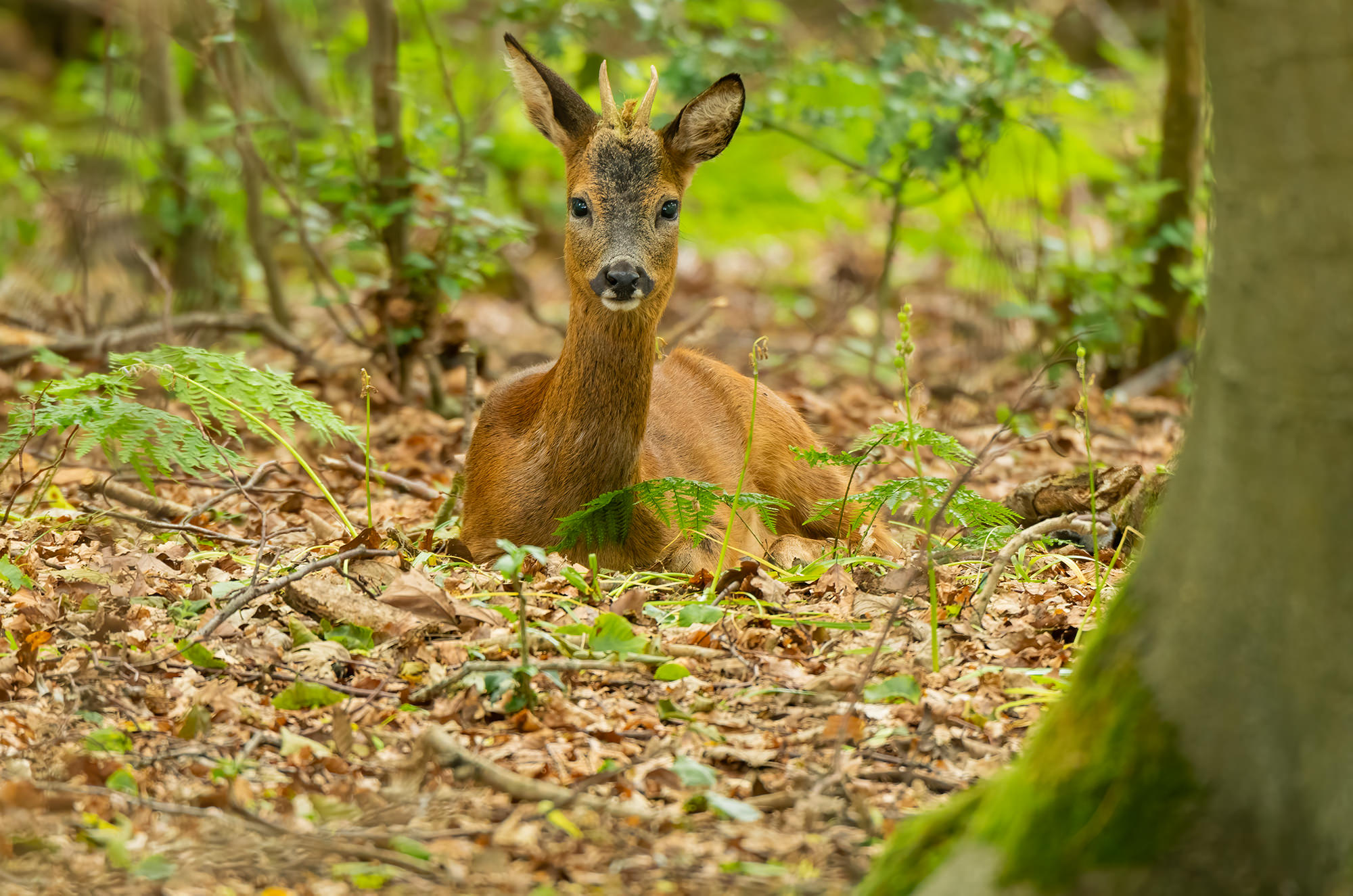
Lunch break after lunch break, the woodland itself became familiar. I learned where the deer preferred to rest, which gaps in the fence they favoured, and which patches of vegetation attracted them most. Certain bends in the paths made me instinctively slow down, while certain trees became places to stop, lean, and simply watch.
Even on days when I didn’t see a single deer, I never felt that the walk had been wasted. One lunchtime, while searching for the deer, I became aware of a loud, persistent call coming from a nearby tree. I recognised it immediately as a great spotted woodpecker chick. Sure enough, a red-topped head soon appeared at the nest hole before the male returned carrying food. Keeping a respectful distance, I was able to watch and photograph the family without disturbing them. By the time I next visited, the chick had already fledged.
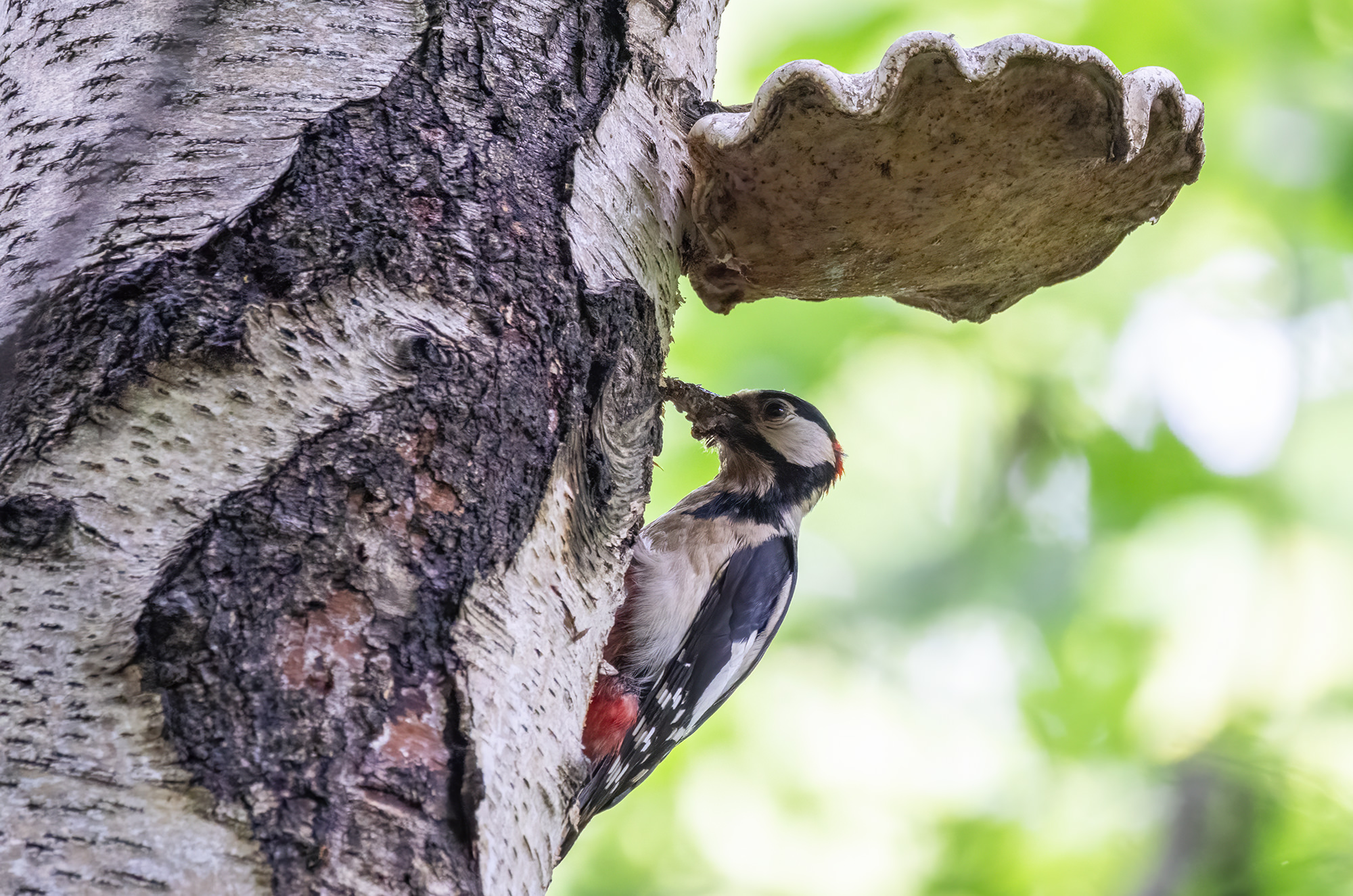
If I’d still been walking through the woods simply looking for deer, I’d almost certainly have missed that wonderful encounter. The deer had already begun teaching me to notice everything else.
Lessons from a lunch break
Of course, not every encounter went smoothly. There were plenty of occasions when I pushed my luck without meaning to. Sometimes I’d step quietly into the woodland only to discover a deer standing just a few metres away. Other times I’d take one step too many and watch my subject bound effortlessly into cover.
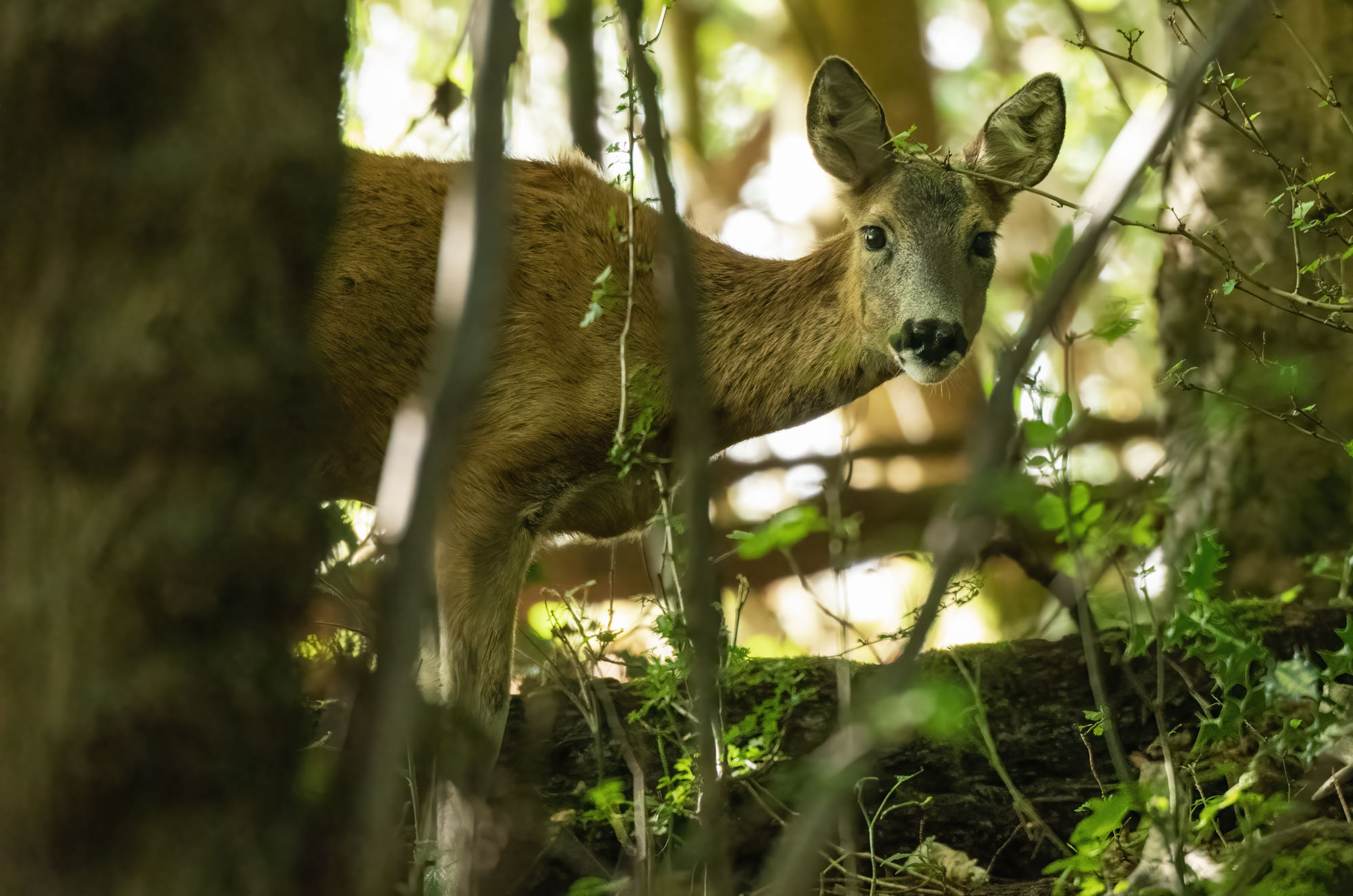
Fortunately, the deer proved remarkably patient teachers. Slowly, almost without realising it, I began learning their language. Not literally, of course. But I started recognising the difference between curiosity and concern, between relaxed feeding and heightened alertness. I learned when to stand perfectly still, when to retreat and, perhaps most importantly, when not to lift my camera at all. Those lessons would eventually become every bit as important as understanding camera settings.
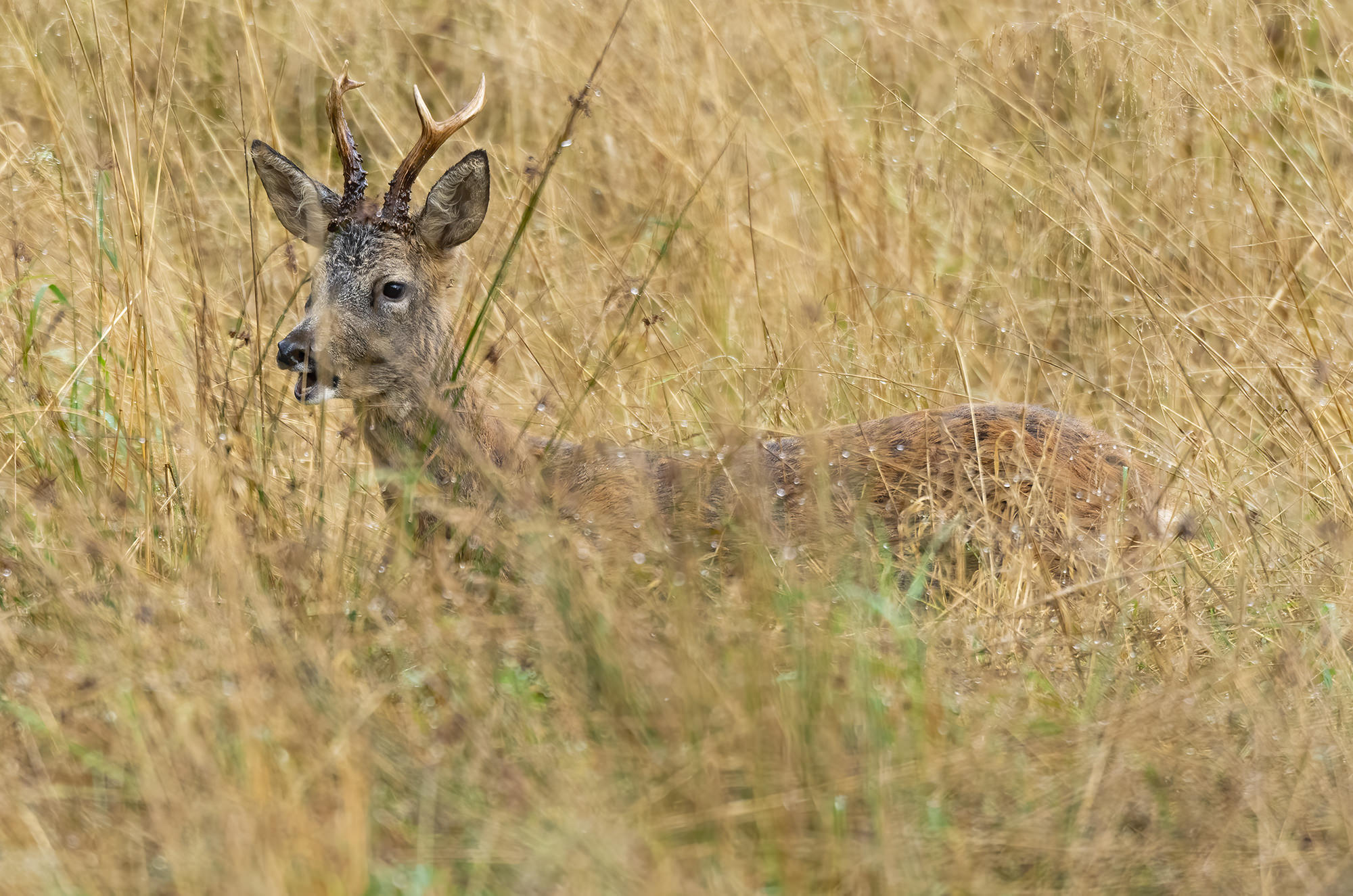
When I think back to those first few months, it isn’t necessarily the best photographs that come to mind. It’s leaving my laptop behind for an hour. It’s the familiar walk away from the traffic and into the trees. It’s wondering whether Blue, Hellboy or Quint might be waiting somewhere ahead. And it’s realising that what had begun as a convenient lunchtime escape had quietly become the most rewarding wildlife project I’d undertaken.
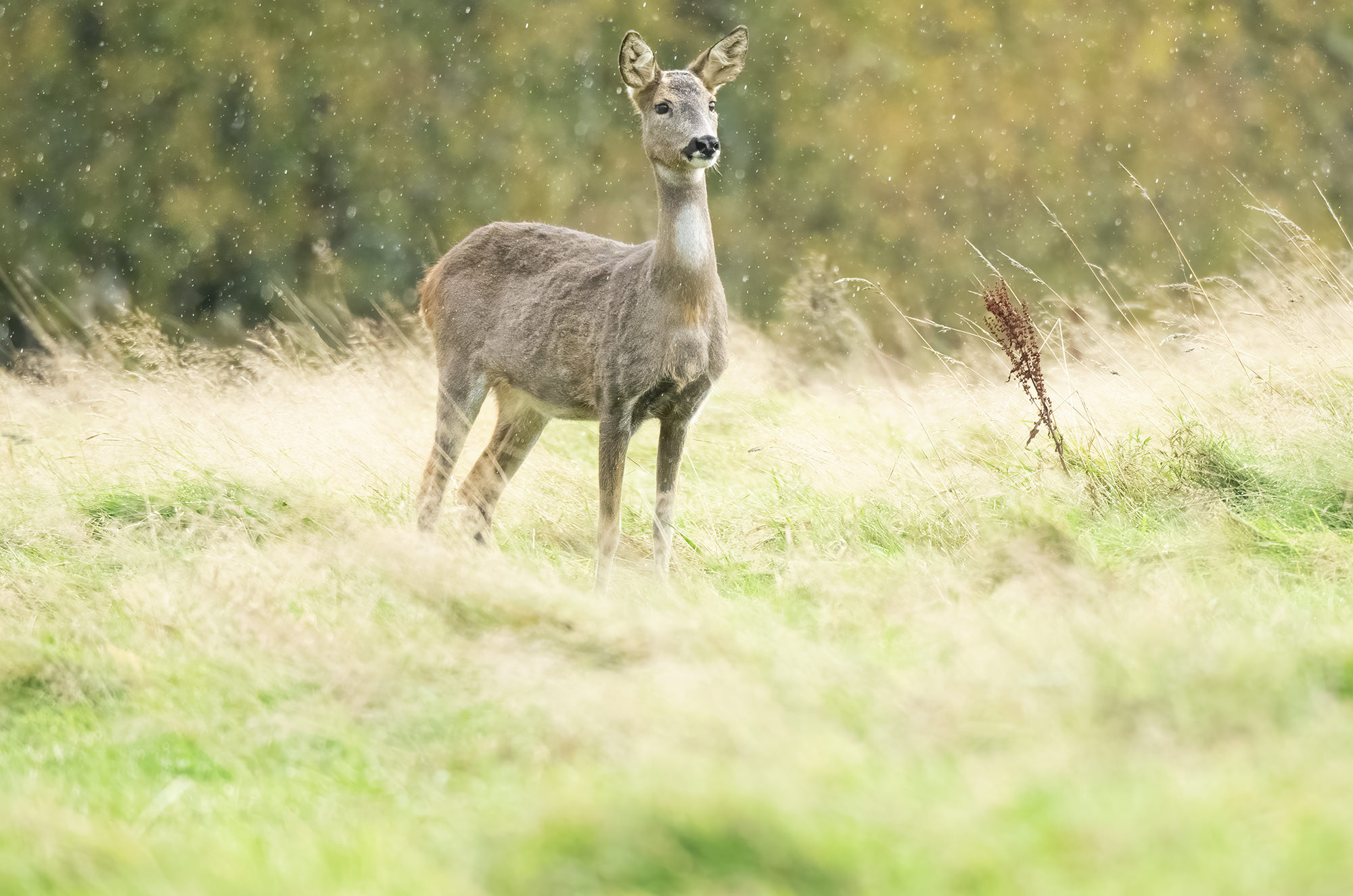
People often say that wildlife photography rewards patience. The truth is that patience wasn’t something I arrived with. It was something three roe deer began teaching me, one lunch break at a time.
In the next part of this series I’ll explore perhaps the greatest privilege of all: learning how to behave in a way that allowed these wild deer to gradually accept my presence, and why earning that acceptance meant far more to me than any single photograph.