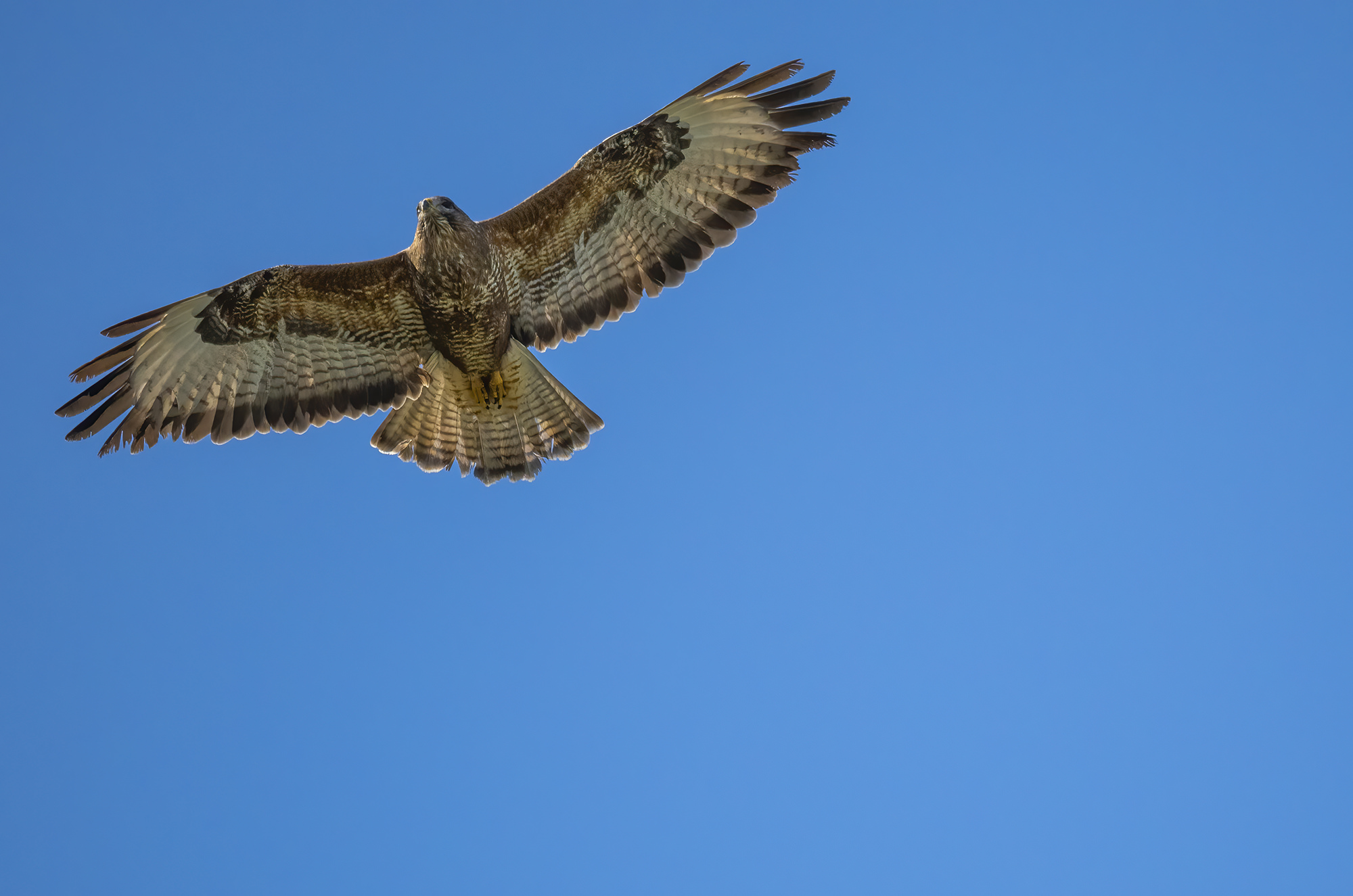
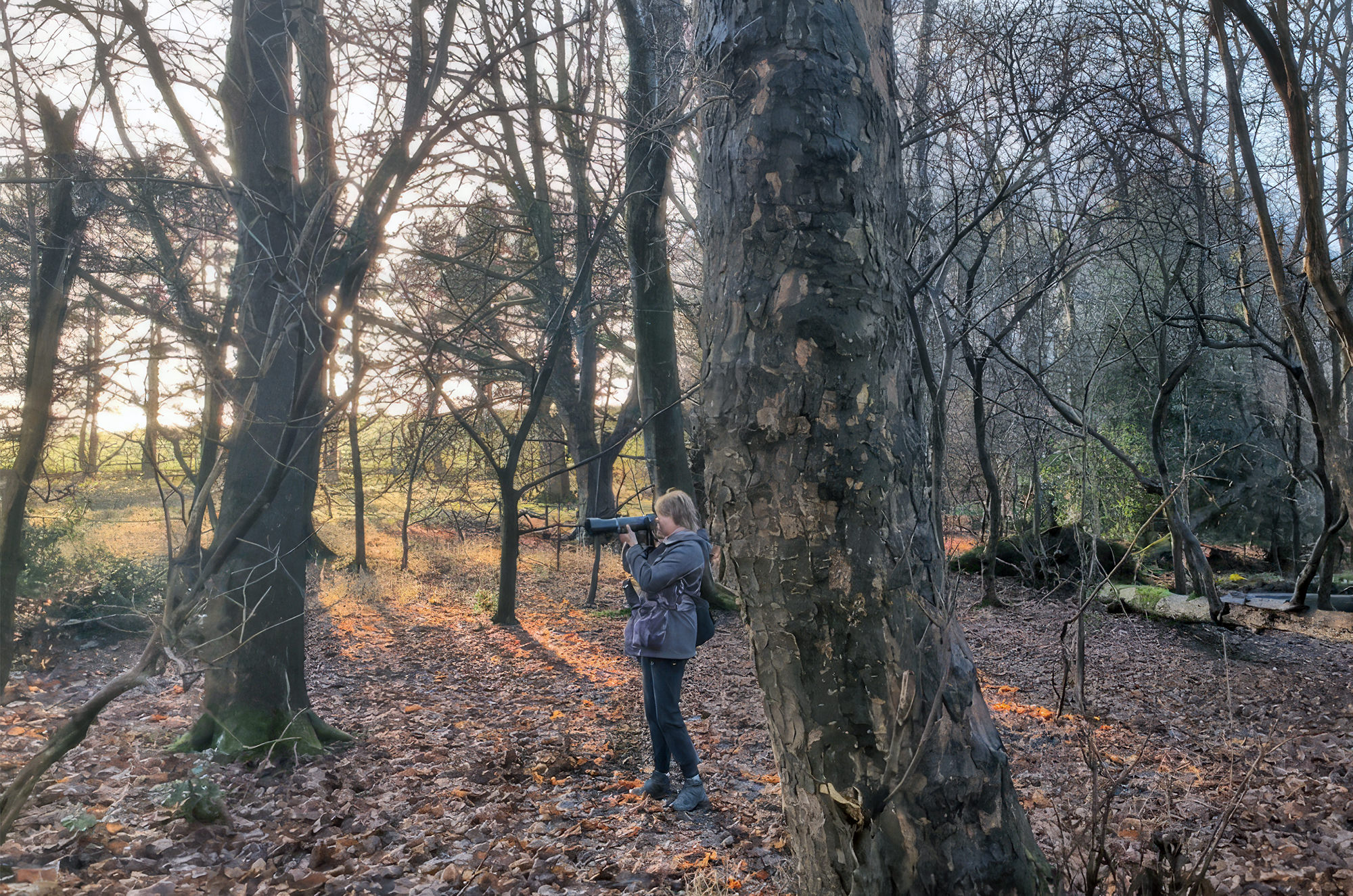
Every wildlife photographer has a local patch. It’s the place you know better than anywhere else. The place you return to when you have an hour to spare, need some fresh air or simply want to see what’s changed since yesterday.
For me, that place was a patch of woodland and fields on Glasgow’s southside. I say was because last month I moved away. Not far, but far enough that I can no longer disappear there on my lunch breaks from my day job.
Arriving
In the years after the pandemic, when working from home had become the norm, I found myself searching for somewhere different to the local parks and green spaces I’d previously wandered. I wanted somewhere quieter, somewhere with fewer people and more room to breathe. A walk on the wilder side.
The Farm – as I came to call it – is actually an area adjacent to the main part of Pollok Park. Just two miles south of Glasgow city centre, the park is best known for its ancient woodland, the Burrell Collection, Pollok House and its famous fold of Highland cattle.
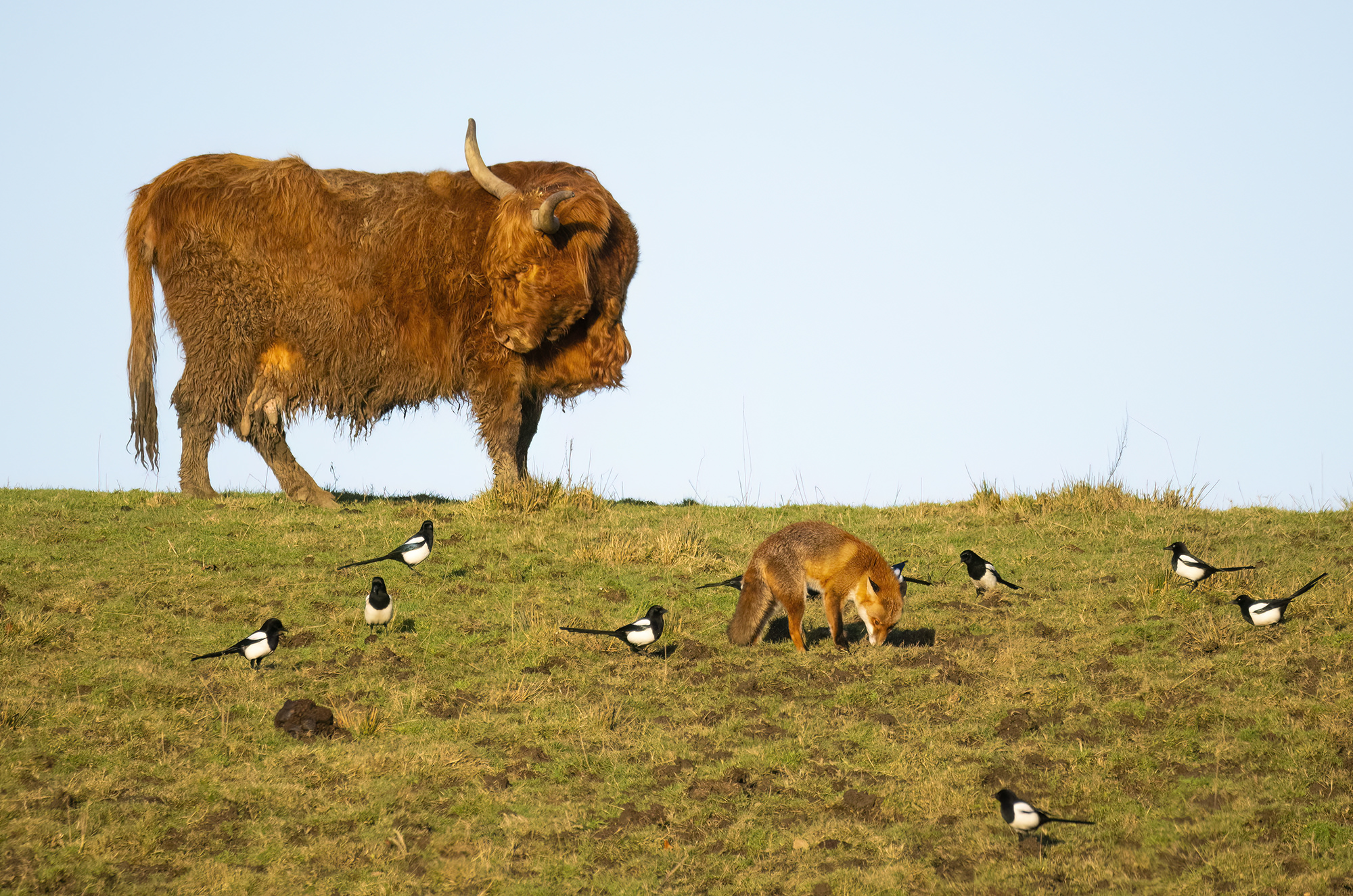
But Pollok Park is more than a visitor attraction. It is also a place people have fought to protect. The “Pollok Free State” was established in the 1990s to oppose the construction of the M77 through land that had been gifted to the people of Glasgow. Led by local activist Colin MacLeod – better known as the Birdman of Pollok – the protest became far more than a campaign against a road. It grew into a community built around protecting a place that mattered deeply to those who knew it best. Years later, thousands of local residents again came together to oppose plans for a high-wire adventure course in the park’s ancient North Wood. Once again, the people who knew Pollok Park best chose to stand up for it. I’ve always understood why.
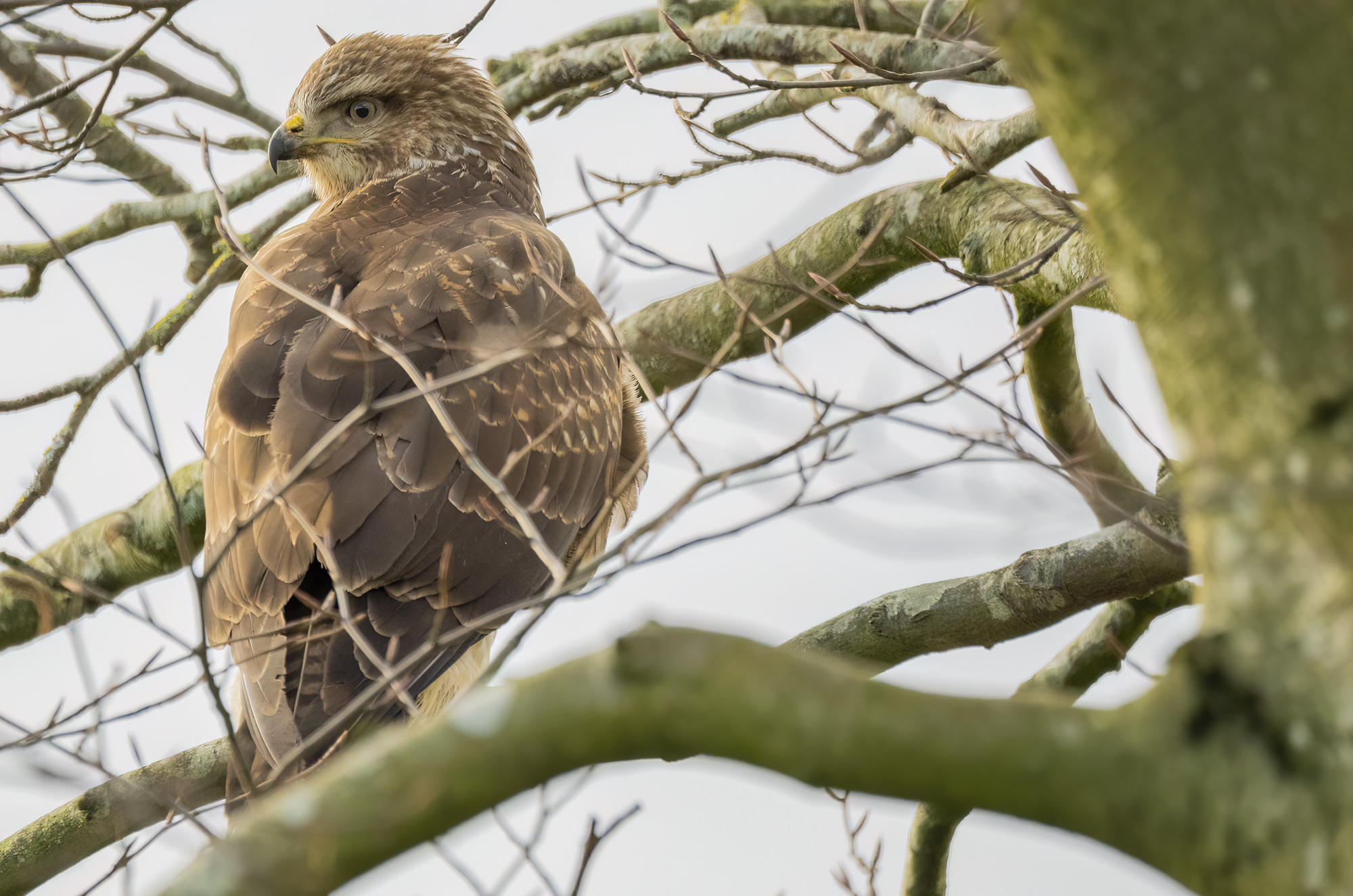
When you return to the same place often enough, you stop measuring your visits by the wildlife you see. Instead, you begin noticing the place itself. The changing light, the smell after rain, the first bluebells pushing through the leaf litter and the familiar sounds that mark the passing seasons all become part of the experience. The deer may have drawn me there in the beginning, but they soon became only part of the story.
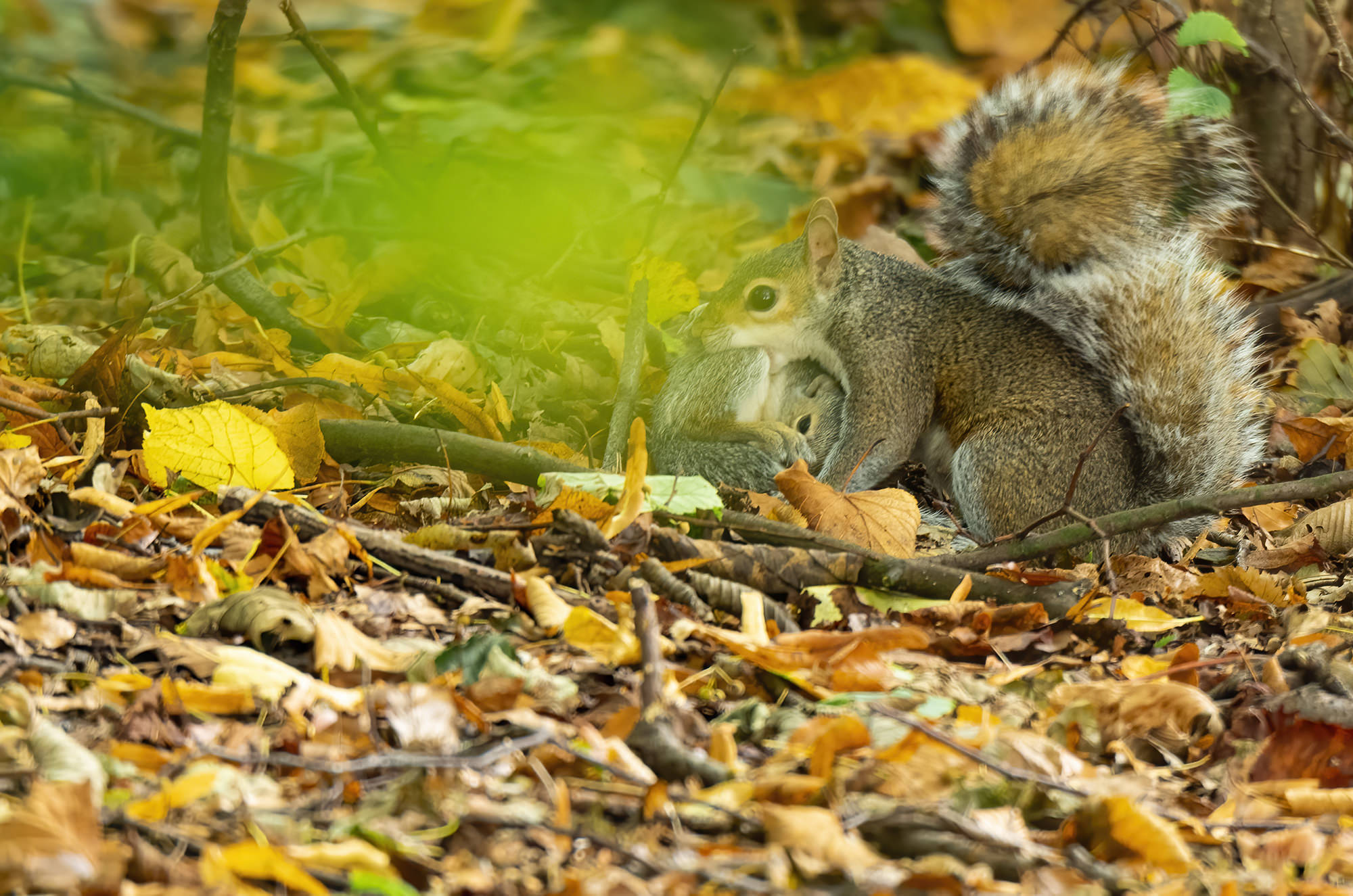
Belonging
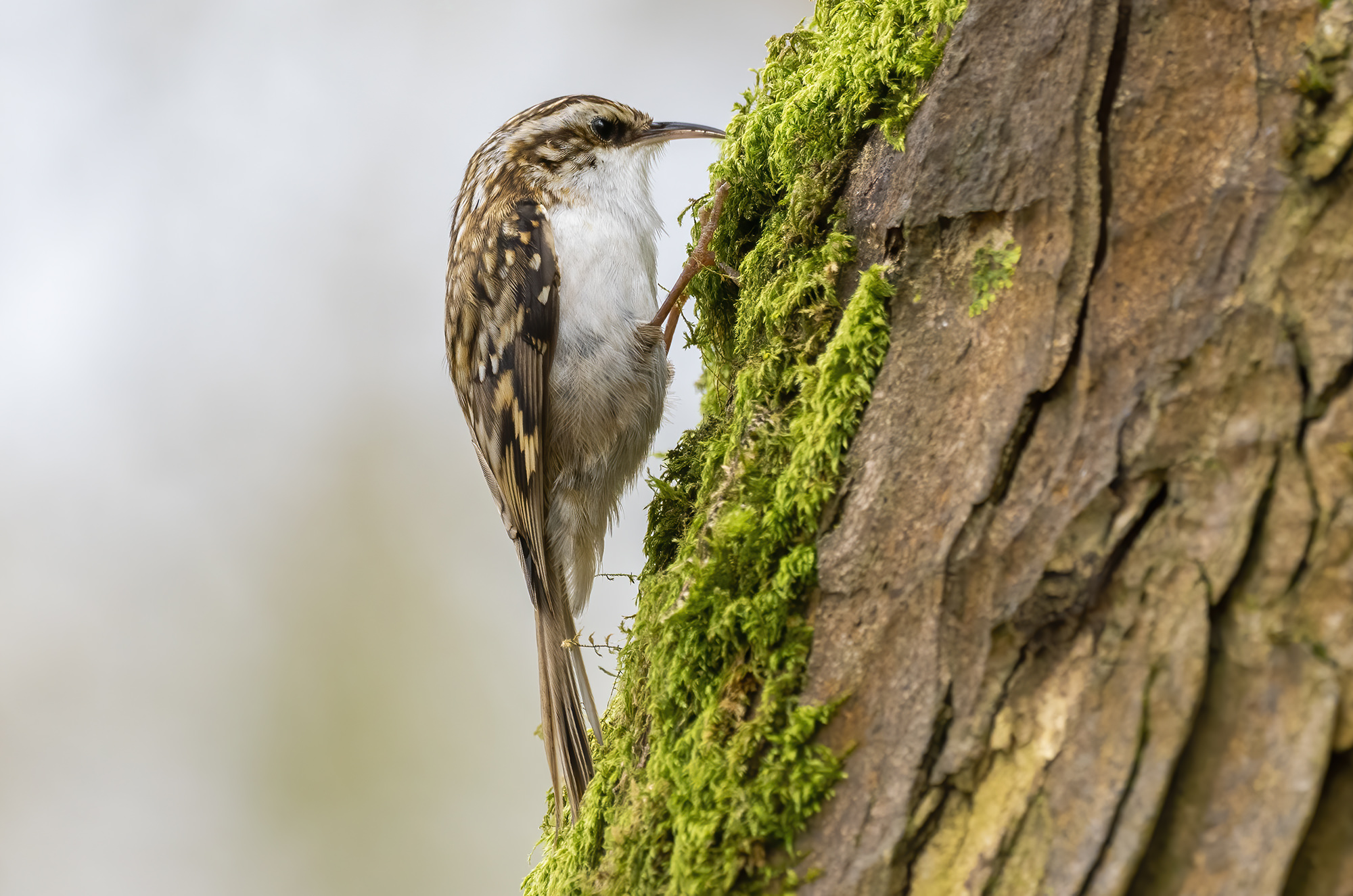
In the part of the woodland where I often photographed roe deer, for example, there is a tree that creaks in the wind. The first time I heard it, I was convinced an unseen animal was making some strange, guttural call. Now it’s simply “the creaking tree”. A few metres away stands what I came to think of as my support tree. More than once I found myself resting my head against its furrowed bark, trying to feel grounded before returning to work. When I went back after my dad died, I stood there again. Even as tears landed silently among the fallen leaves beneath my feet, the tree somehow offered reassurance simply by being exactly where it had always been.
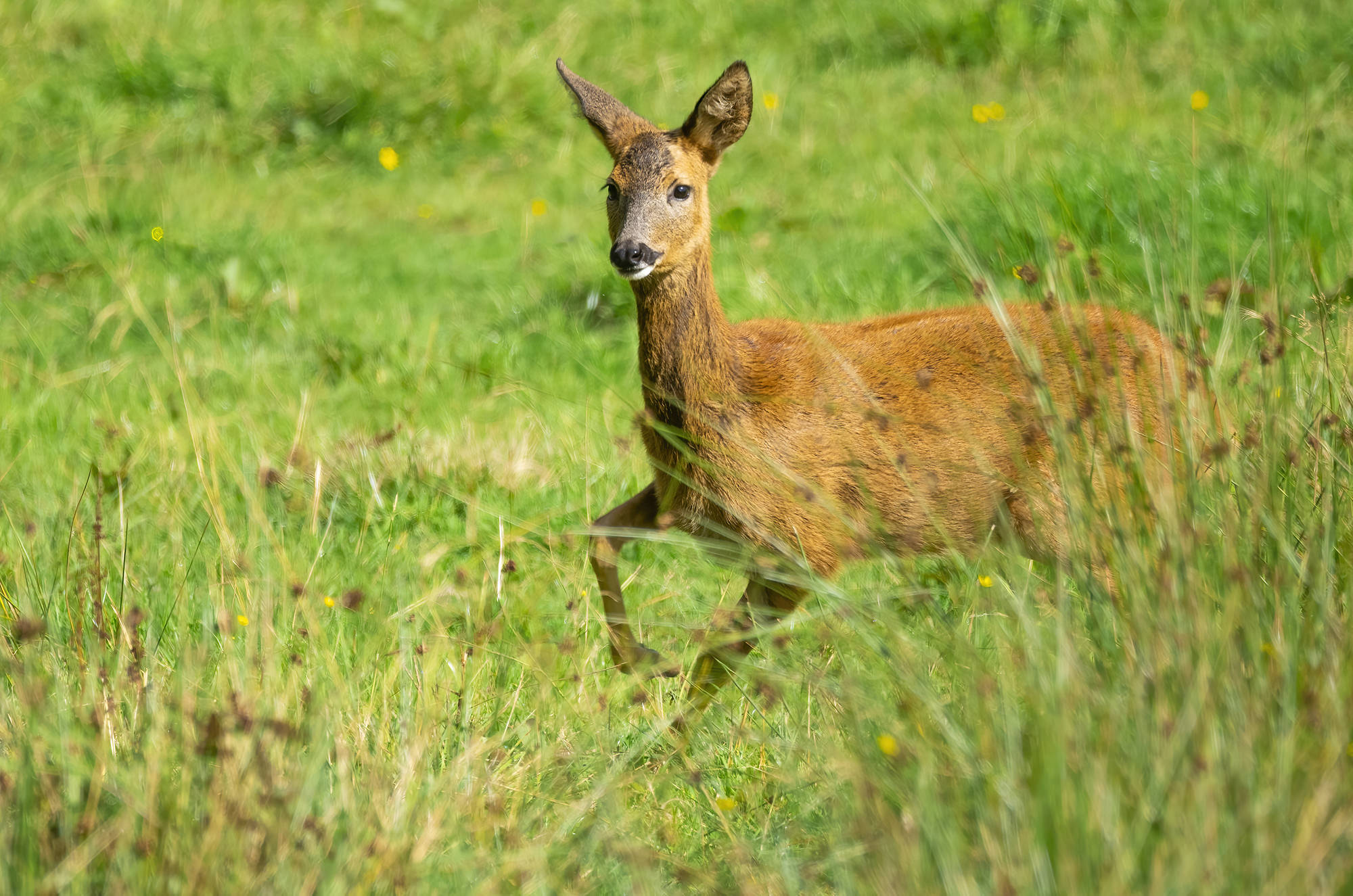
Many significant moments became tied to this place. There was the lunchtime I spent watching the roe doe Gamma. She grazed peacefully for a while before becoming increasingly frustrated as a steady stream of walkers and dogs prevented her from crossing into the next field. I photographed her in the August sunshine without the slightest idea that, later that afternoon, I would receive the devastating news that my father had died. I can’t look at those photographs now without remembering what came afterwards. Some memories become woven into a landscape so tightly that they can never really be separated again.
At some point I stopped consciously navigating the woodland. My feet simply knew where to go. I knew which bends in the paths deserved a second glance, what time sunlight would fall over the brow of the hill and where foxes were most likely to hunt in the long grass. I began noticing small changes almost without thinking – a freshly fallen branch, disturbed leaf litter or a new trail appearing through the undergrowth.
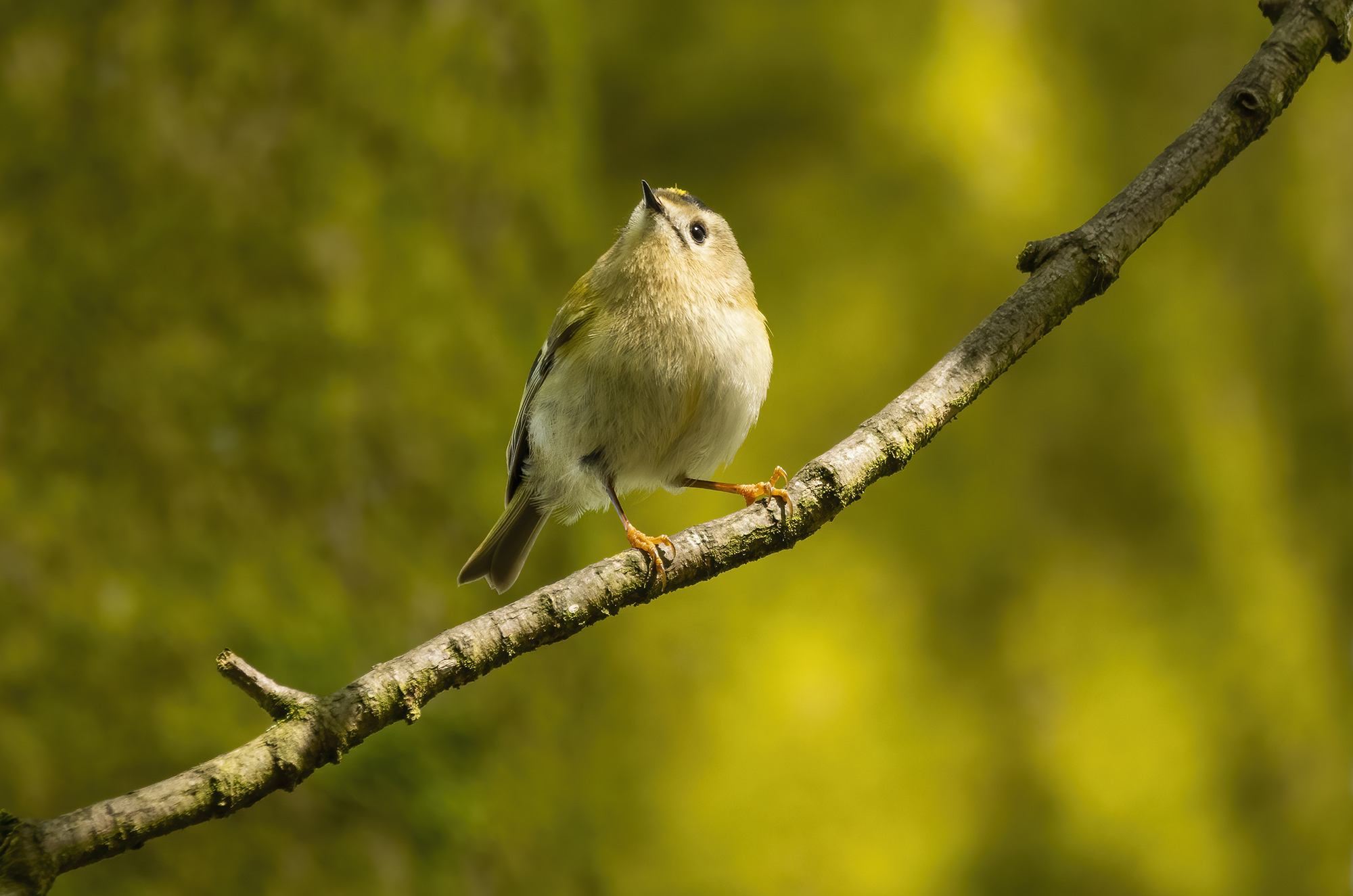
Perhaps that’s why the wildlife began behaving differently around me too. Not because I wore camouflage or spent hours hidden in a hide, but because I learned to move carefully, to remain aware of my surroundings and, above all, to become a predictable part of the landscape rather than an interruption to it. On more than one occasion fox cubs ran straight past my ankles without noticing me. A pair of young roe bucks once used me as the centre of their own impromptu roundabout, chasing each other around me before bounding off into the trees. I like to think my impression of a tree improved over the years.
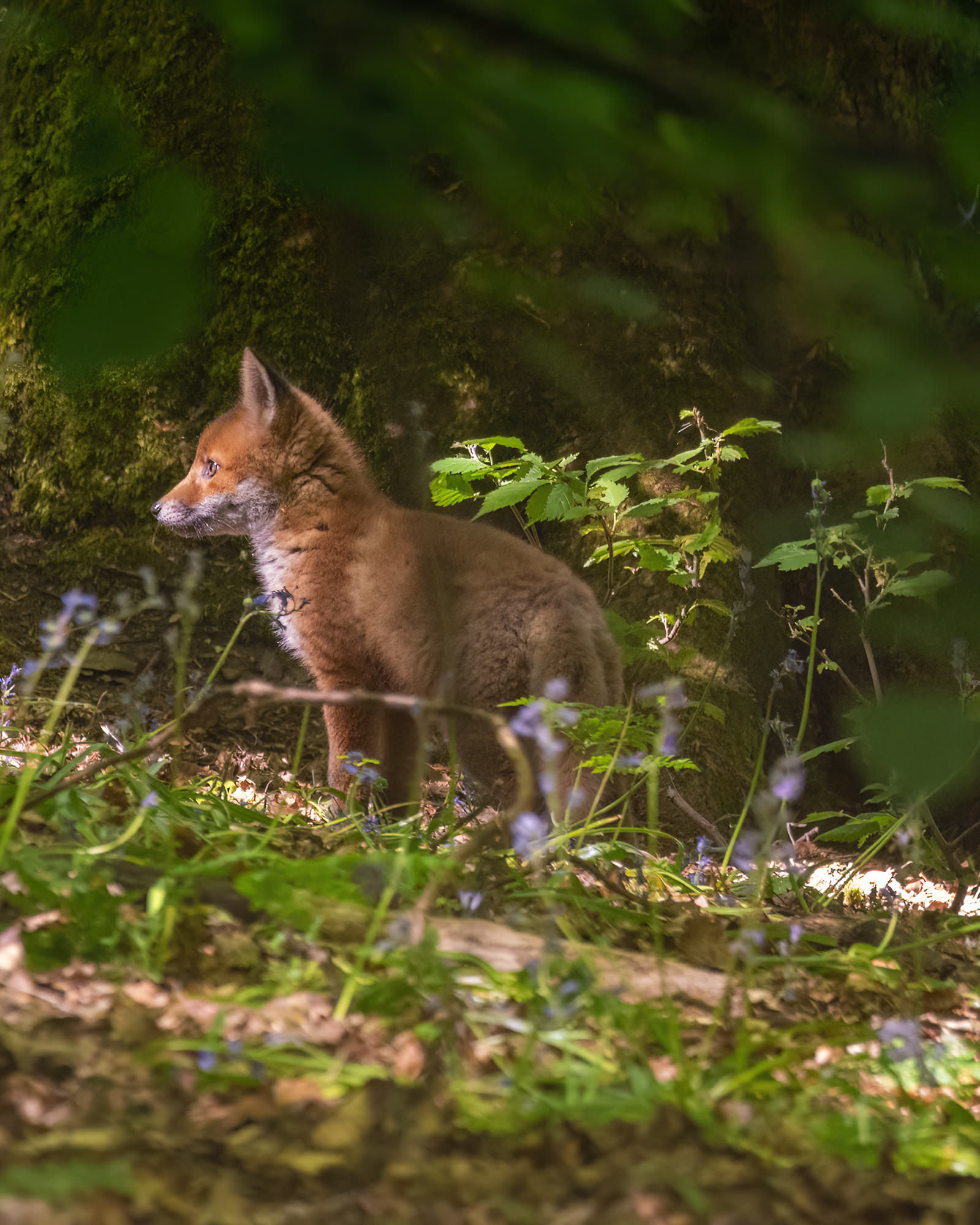
Is it possible for a place to become part of you? Or perhaps the better question is whether you can become part of a place.
The more time I spent in the woods and around the fields, the more connected I felt. Eventually I realised that knowing somewhere isn’t simply about recognising paths or landmarks. It’s about understanding its rhythms – how it changes with the seasons, where wildlife feels safe, how the light moves through the trees and the alarm calls from birds that hint at something moving unseen in the distance.
Leaving
I may have left my local patch, but I don’t think it will ever leave me. It shaped the way I photograph wildlife, the way I experience nature and, perhaps most importantly, the way I slow down enough to notice both.
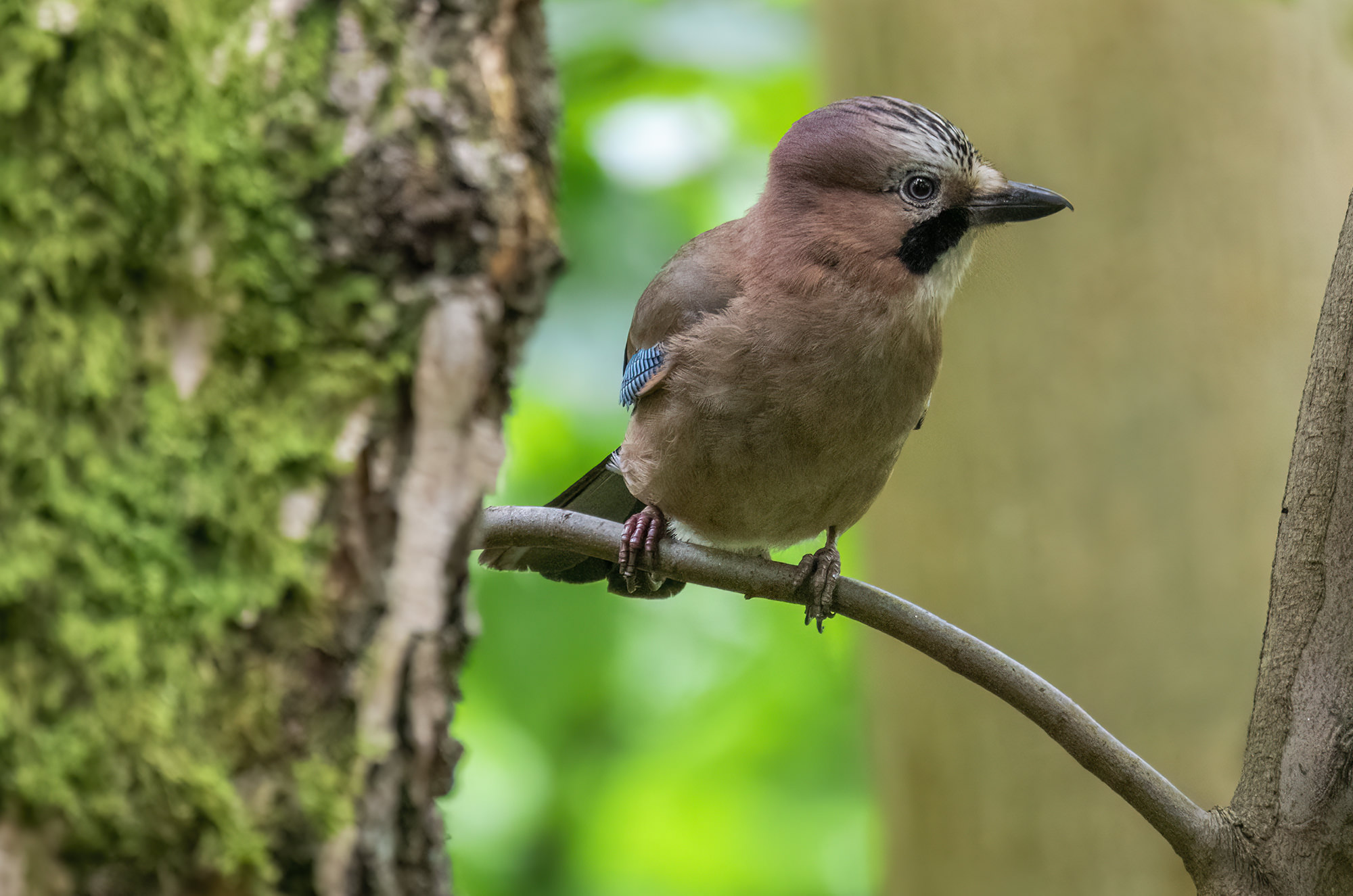
I’ll still return whenever I can. The fox cubs will have matured and found new territories. The trees will have grown a little taller. New stories will be unfolding that I’ll know nothing about. And that’s exactly as it should be. Because the greatest gift my local patch gave me wasn’t a portfolio of photographs. It was the feeling of belonging, however briefly, to a small corner of the natural world.